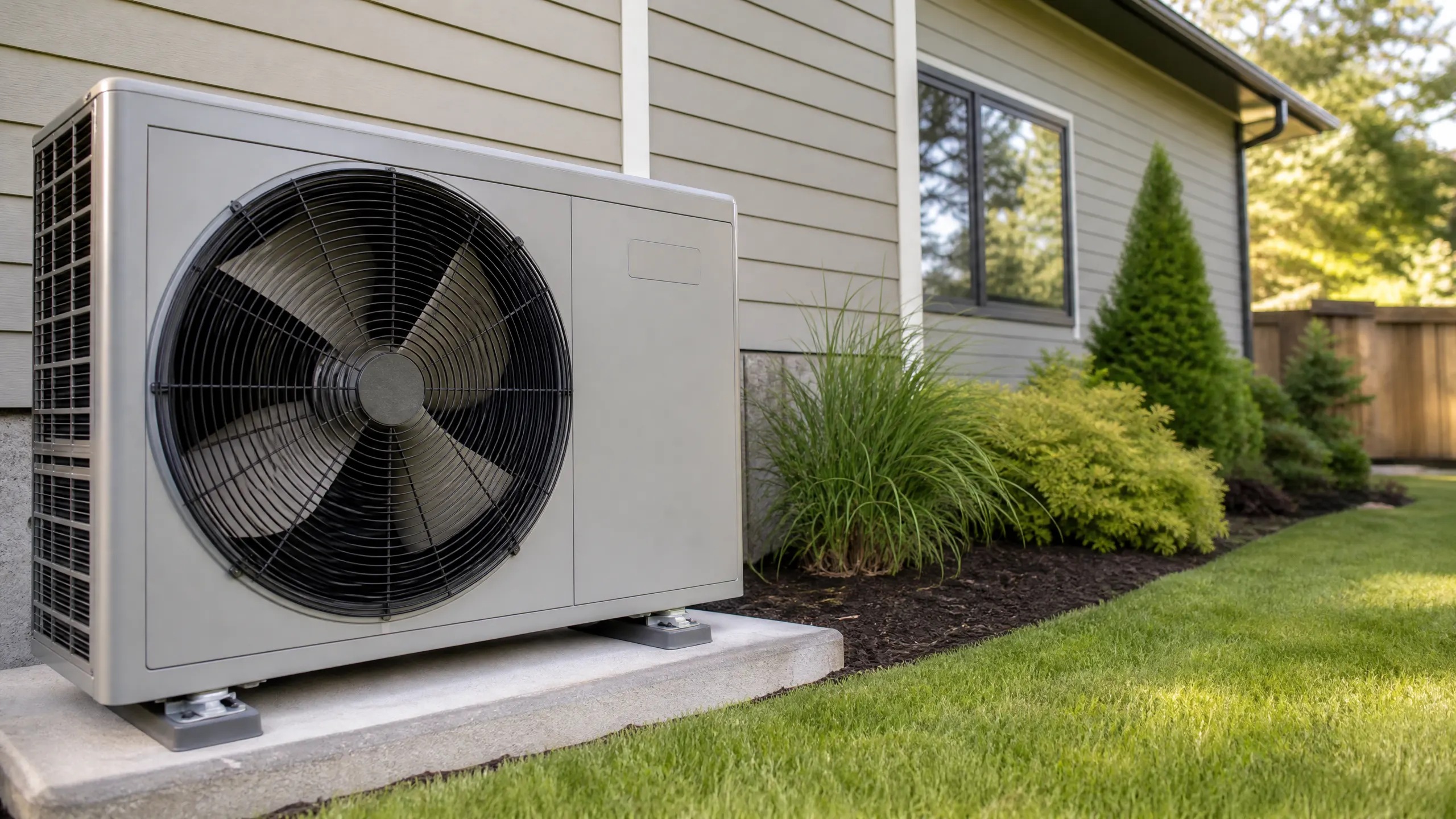
Heat Pump Repair in Lakeland, FL
Homes here need heat from January through January and cooling from February through November. If your system quits, tell us what it's doing and a licensed contractor who covers Polk County will get in touch.
Tell us about the job
It takes about a minute.
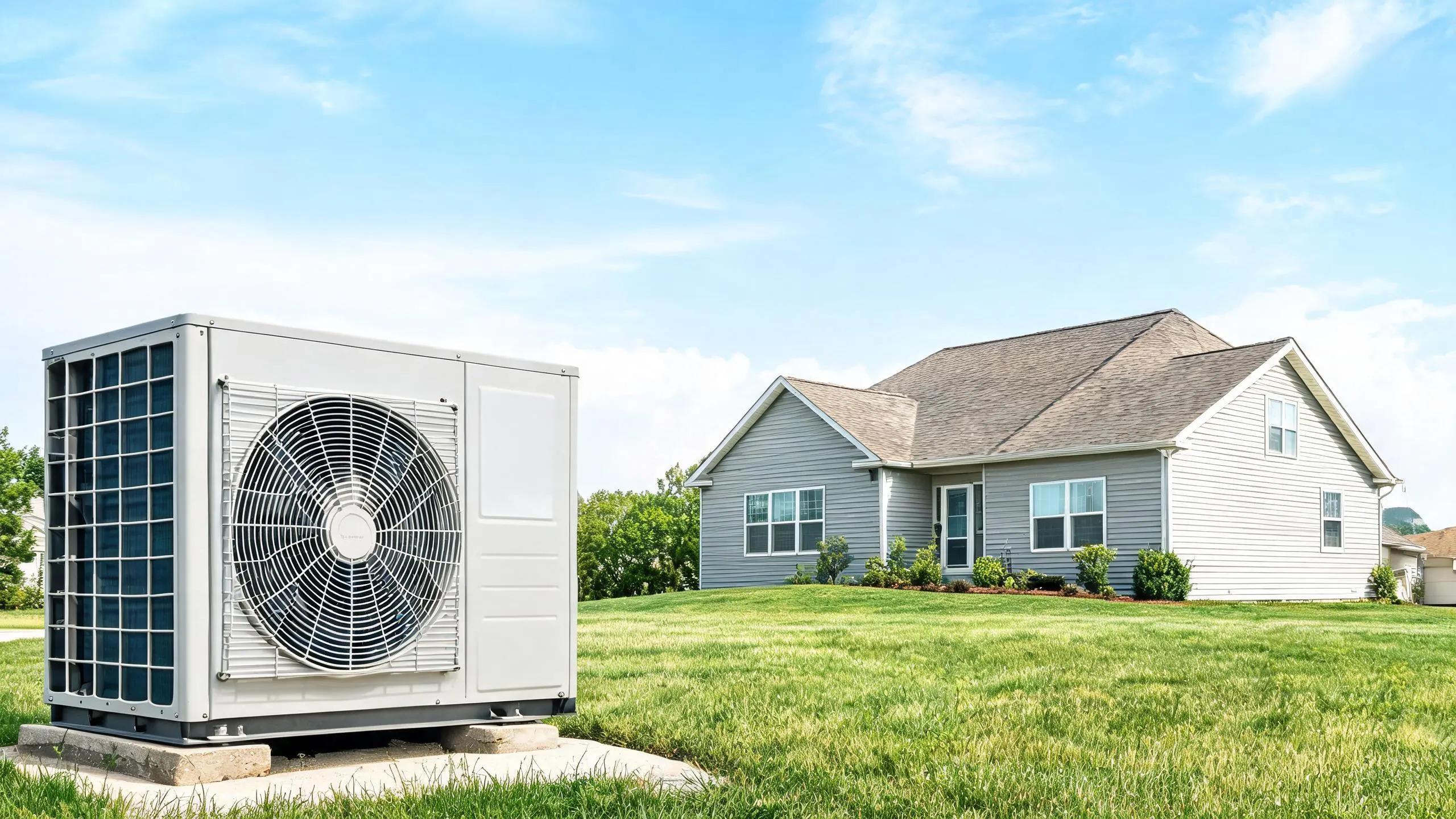
Your heat pump works almost every day of the year here
In Lakeland, the heat pump runs eleven months, cooling through summer afternoons near 92°F and switching to heat on winter nights that average 51°F. That kind of demand doesn't leave the system much time to rest, and parts that cycle this much wear sooner than they would somewhere with a real off season.
Polk County has logged 37 damaging wind events over the past ten years, and in 2024 more than a third of Florida households lost power for at least 24 hours. A heat pump that loses power mid-cycle can come back to a tripped switch or a stuck contactor and not start on its own. If your system is blowing warm air in summer or not keeping up on a cold night, hard use and a power interruption are often part of the story.
- 1 months
- January through January, your system heats
- 10 months
- February through November, it cools
- 51°F
- the average winter night it heats against
- 92°F
- the average summer afternoon it cools against
NOAA nClimDiv, 1991–2020 normals
Florida requires HVAC contractors to hold a state license.
The state tested the contractor before handing out that license, and the Construction Industry Licensing Board keeps a record of who holds one. The license belongs to the contractor, not to any single job, so it stays in place from one repair to the next rather than being issued fresh each time someone works on your system.
A heat pump repair almost always means opening the refrigerant side of the system, and federal law requires anyone who does that, in any state, to hold EPA Section 608 certification. In Florida that certification sits alongside the state license rather than replacing it, so the person working on your heat pump is answerable both to the state board that licensed them and to the federal rule that governs refrigerant work everywhere.
Sources: Florida Legislature · Florida Department of Business and Professional Regulation
- Why is my heat pump blowing cold air?
- In heating mode, a heat pump puts out air that feels cool compared to a furnace, often close to body temperature, and that is normal. If the air feels cold rather than lukewarm, the system may have dropped into emergency or backup heat, or the reversing valve may be stuck in cooling mode. A frozen outdoor coil will also cut off the heat while the unit keeps running. A contractor can check the reversing valve and the refrigerant charge to find out which it is.
- Why is there ice on my heat pump?
- Some frost on the outdoor coil during a defrost cycle is normal, especially on cold nights, and it should clear on its own within an hour or so. Ice that stays or keeps building means airflow across the coil is blocked, often by a dirty filter, a failed defrost control, or low refrigerant. With winter lows here averaging around 51°F, the unit will run its defrost cycle often, so a heat pump that cannot clear ice on its own needs a contractor to look at the defrost board and the refrigerant level.
- Why is my heat pump running but not cooling?
- If the heat pump runs constantly but the air coming out is not cold, the most common causes are a low refrigerant charge, a dirty outdoor coil, or a failing compressor. A clogged filter can also starve the system of airflow and make it seem like the unit is not cooling. With summer afternoons here reaching around 92°F, a system that cannot keep up will show this problem quickly. A contractor can check the refrigerant charge and the compressor to find the cause.