
AC Maintenance in Lakeland, FL
Air conditioners here run from February through November, so January is the time for a tune-up. Tell us about your system, and a licensed contractor who covers Polk County will get in touch.
Tell us about the job
It takes about a minute.

Ten months of cooling wears on a system
In Lakeland, your air conditioner runs from February through November. That leaves it two months of rest a year, and on summer afternoons that average 92°F, it runs long stretches just to keep up. Those hours add up on the compressor and the fan motor.
A tune-up checks what those hours wear down. Low refrigerant makes the compressor work harder than it should. A dirty condenser coil outside makes it harder for the unit to shed heat, especially on a 92°F afternoon when it is already working near its limit. Catching either one early is the difference between a repair and a breakdown.
- 10 months
- February through November, your air conditioner is on duty
- 92°F
- the average summer afternoon it cools against
- 28 hail events
- in ten years, and hail bends the fins on outdoor coils
- 37 wind events
- in ten years, and wind drives debris into outdoor units
NOAA nClimDiv, 1991–2020 normals
Book your AC tune-up in January, before homes here start needing cooling in February.
- Jan
- Feb
- Mar
- Apr
- May
- Jun
- Jul
- Aug
- Sep
- Oct
- Nov
- Dec
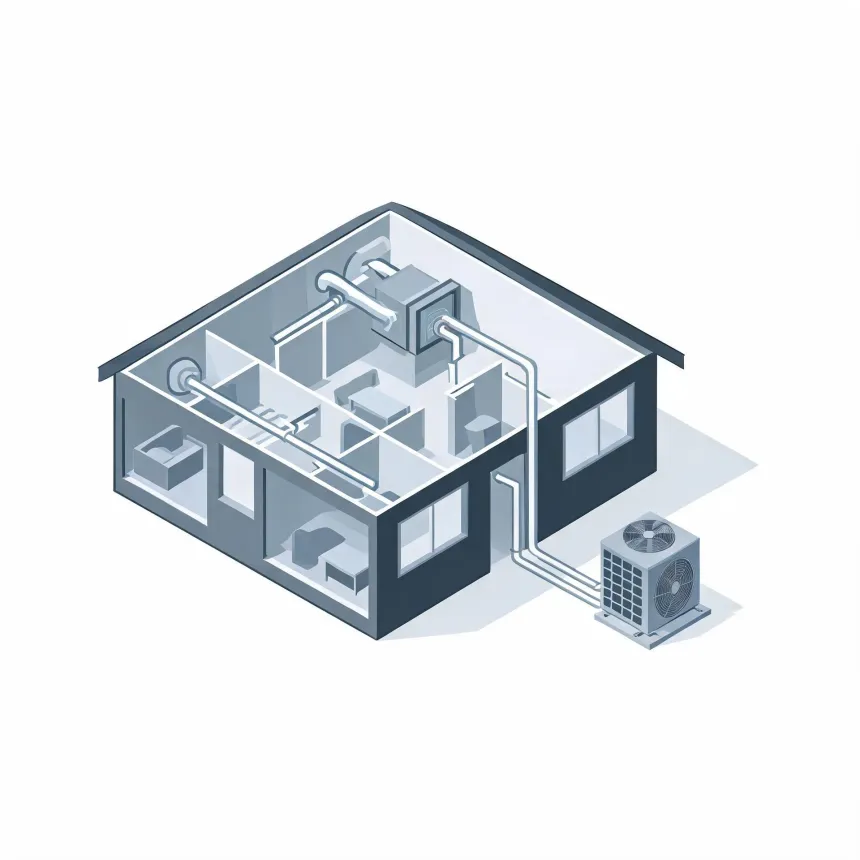
A tune-up checks the refrigerant charge, cleans the coils, tests the capacitor and tightens the electrical connections.
Florida requires HVAC contractors to hold a state license.
The Construction Industry Licensing Board tests contractors before it licenses them, and it keeps a record of who holds that license. The license belongs to the contractor, not to any single job, so the same license covers the maintenance visit to your AC as it would a full installation.
For a maintenance visit, that license is what stands behind the person working on your system. If the technician checks refrigerant levels or opens that side of the unit, federal law also requires them to hold EPA Section 608 certification, separate from the state license. Florida's license is what tells you the contractor was tested and is on record. The 608 certification is what tells you they are allowed to handle the refrigerant itself.
Sources: Florida Legislature · Florida Department of Business and Professional Regulation
- What does AC maintenance include?
- A contractor checks refrigerant level, cleans the condenser coil, and tests the capacitor and contactor in the outdoor unit. Inside, they check the evaporator coil, the blower, and the condensate drain, since a clogged drain is one of the more common reasons a system stops cooling. They also check the filter and confirm the thermostat is calling for cooling correctly. On a system that runs 10 months a year here, catching a weak capacitor or a slow drain before it fails matters.
- How often does an air conditioner need maintenance?
- Once a year is the standard, ideally before the heavy heat starts. Homes here need cooling from February through November, so the unit gets little rest, and a spring check catches a weak part before it has to work against 92°F afternoons.
- Is AC maintenance worth it?
- Yes, especially on a system that runs 10 months a year here. Regular checks catch a failing capacitor, a dirty coil, or a clogged drain line before any of them cause the system to quit outright. Lakeland has also seen 28 hail events and 37 damaging wind events over the last ten years, and a post-storm check can catch a bent fin or debris in the outdoor unit before it turns into a bigger repair.