

Sealed and running right
Air moves through the metal trunk and branch lines and comes out the registers at full force. No hissing at the joints, no dust streaking the seams. Every room gets the air the system sent out to it.
Get matched with a pro who works on ducts in Broward County.
Get matchedYour house runs the AC most of the year here, and if the ducts are losing air along the way, you end up paying for cooling that never reaches a vent. You're probably noticing something specific: a room that never cools down, a utility bill that seems high, or dust that keeps showing up no matter how often you clean. Those are worth paying attention to before the system has to work even harder through another Fort Lauderdale summer.
A room or two that stays warmer than the rest of the house is usually the first sign. If the duct feeding that room has a gap or a loose joint, the cooled air escapes into the attic or a wall cavity before it gets where it's supposed to go. You may also notice the system running longer than it used to, or the bill creeping up with no change in how you use the house. Dust settling faster than normal is another clue, since a leak can pull unconditioned, dusty air from the attic into the ducts on the return side. With Broward County summers running long and humid, a system fighting leaks has to run more to keep up, and that shows up both in comfort and in cost.
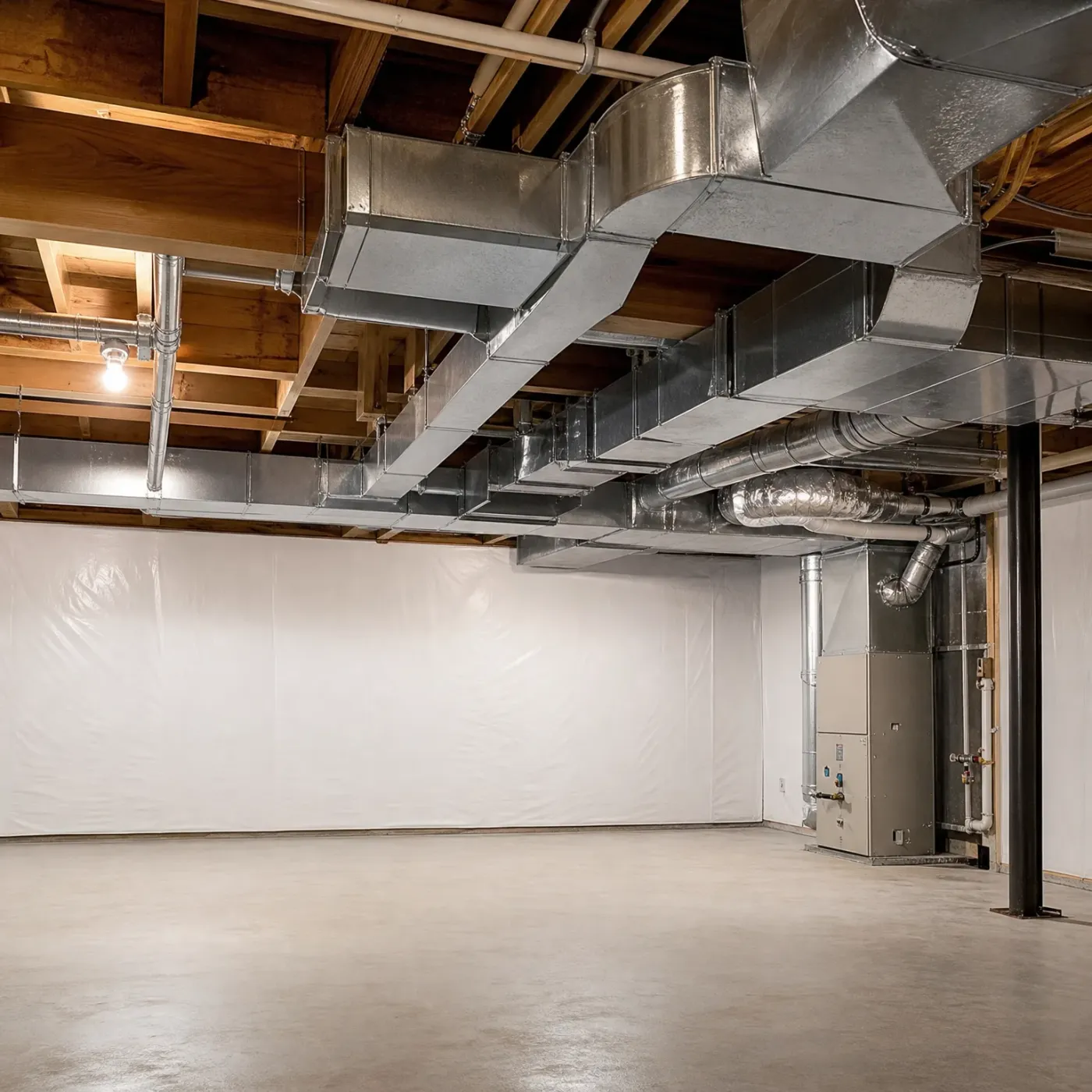
Air moves through the metal trunk and branch lines and comes out the registers at full force. No hissing at the joints, no dust streaking the seams. Every room gets the air the system sent out to it.
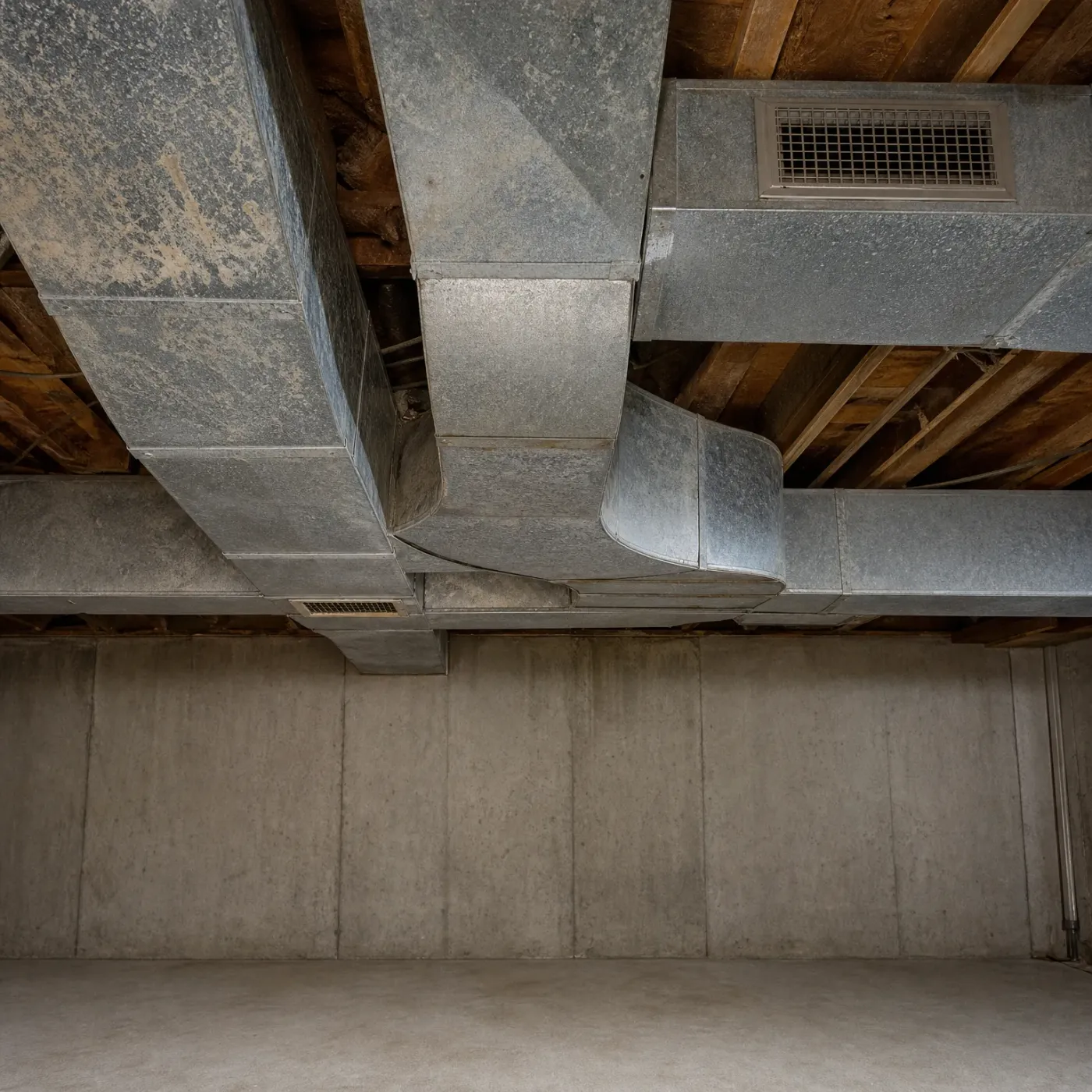
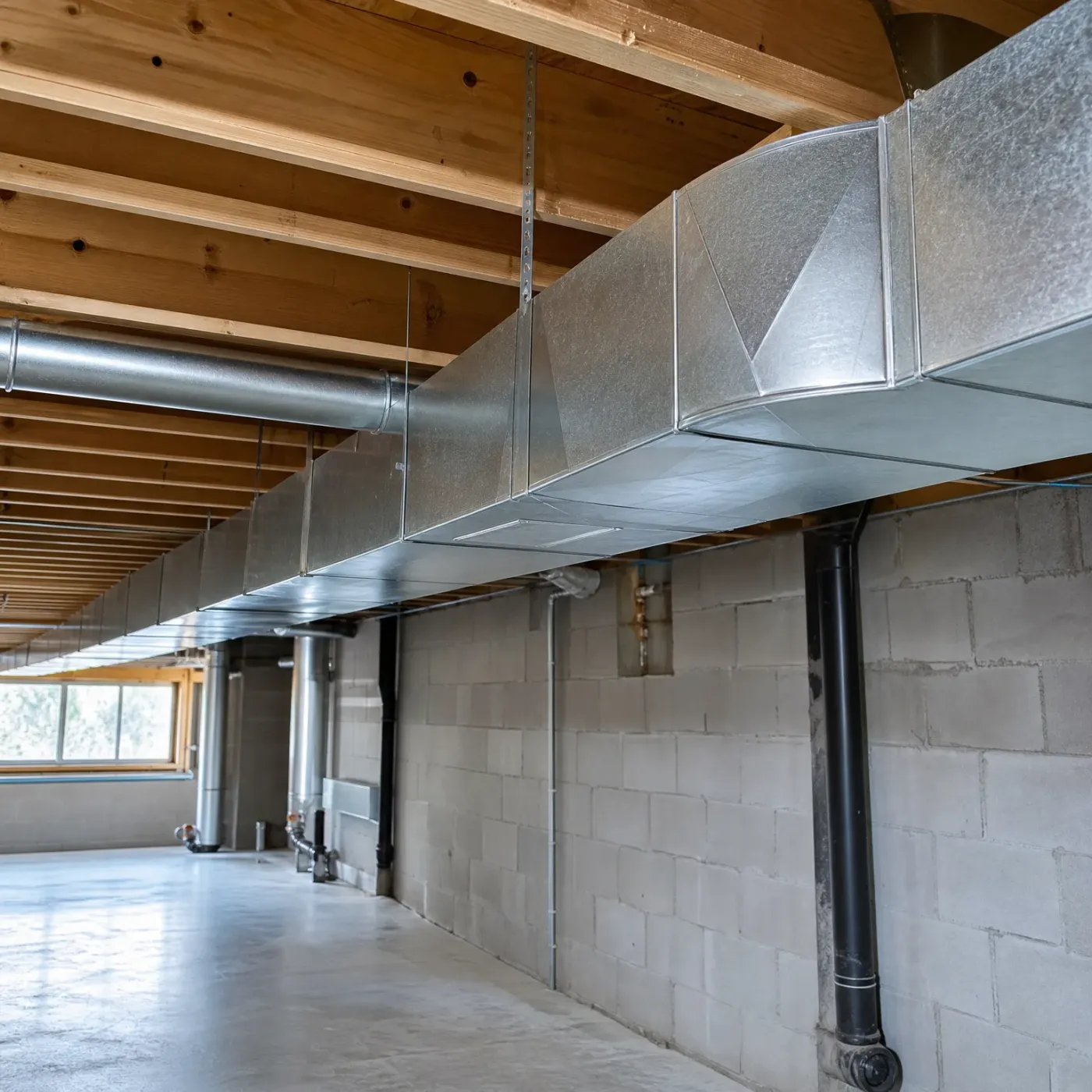
The same kind of duct run, but air is slipping out at the joints and elbows before it reaches the register. The rooms farthest from the furnace feel weaker airflow, and the attic or basement around the ducts runs warmer than it should.
Walk the house and check each room against the others. One bedroom never cools down even with the thermostat set low and the rest of the house comfortable. You can hear air moving in the attic or behind a wall when the system runs, a faint hissing where you'd never expect to hear anything. Dust shows up fast on furniture in some rooms and not others, and a vent cover has a gray streak around its edge that wasn't there before. The attic itself feels hotter than it should for how much the system is running. None of this is loud or obvious on its own. Together, it means part of what the system is paying to cool is landing in the attic instead of the room, and the house works harder every month to make up for it.

Most duct runs here sit in the attic, and Broward summers push that space well past 120 degrees by afternoon. A joint that's come loose up there is losing air into the hottest part of the house, not the living space. The system never feels that loss as comfort, only as runtime. It just keeps pulling attic air back through the gap and pushing cooled air into insulation instead of your bedroom.
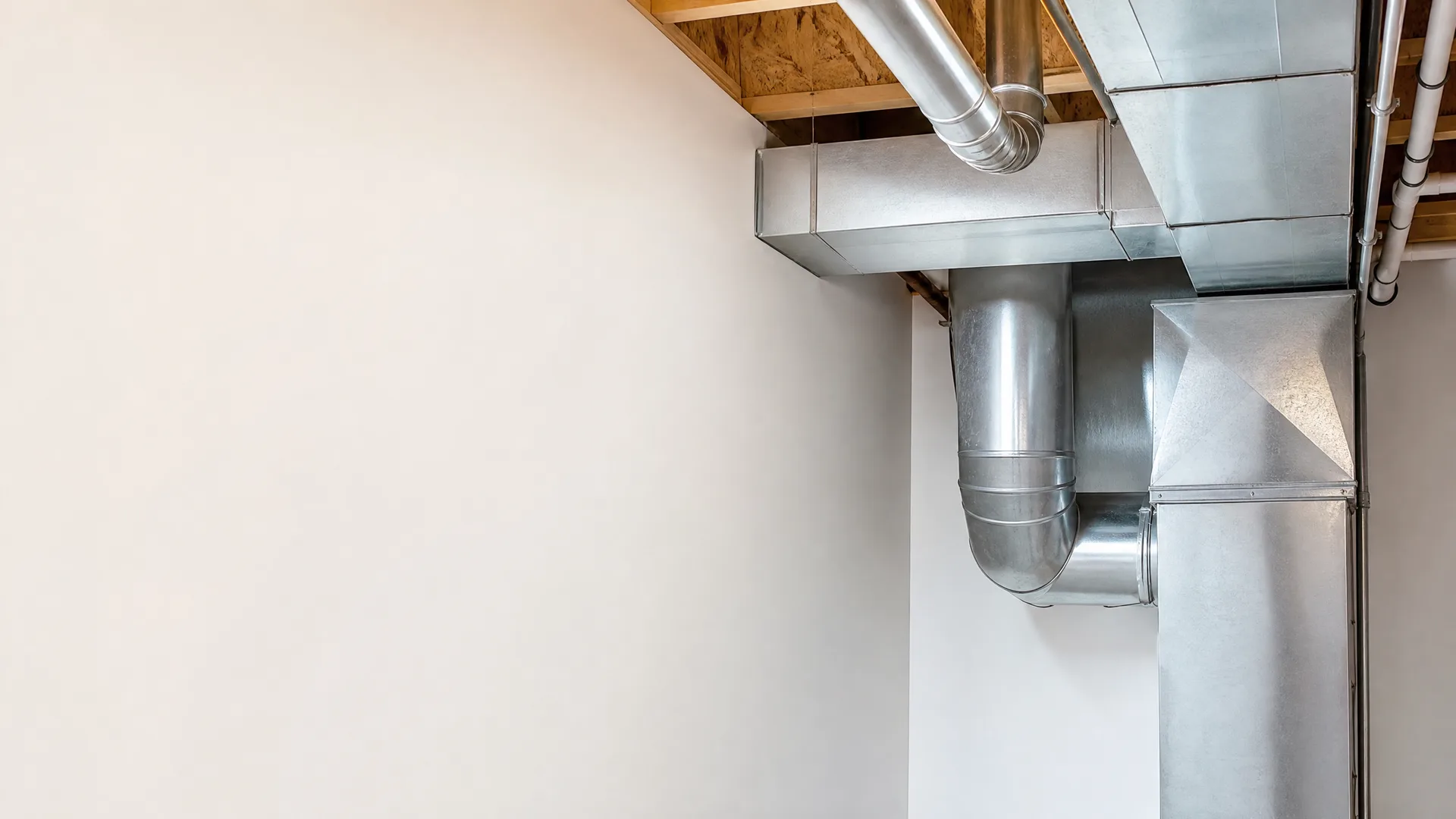
A leak on the return side pulls attic air into the system before it ever reaches the coil. That air carries dust and insulation fibers straight onto the coil and through the blower. The coil loses efficiency as it coats, so the system runs longer to hit the same setpoint. You'll notice the filter needs changing sooner than it used to, and the vents nearest the return tend to blow weaker than the rest.
If your house went up by 1980, the ducts have had decades of attic heat working on every joint and seam. That's a lot of years for mastic to dry out and tape to let go. Worth checking before you assume the system itself is the problem.
ACS 2020-2024
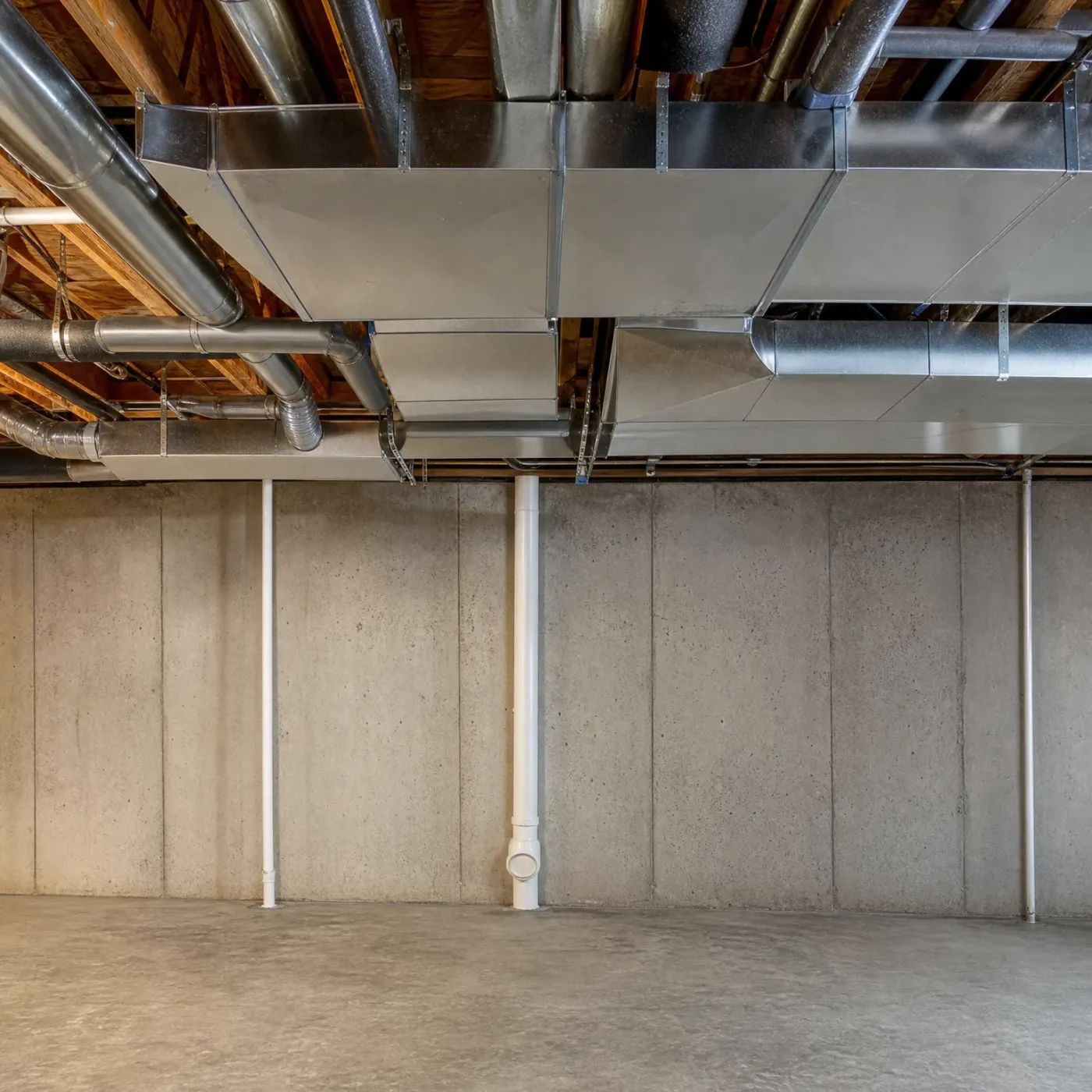
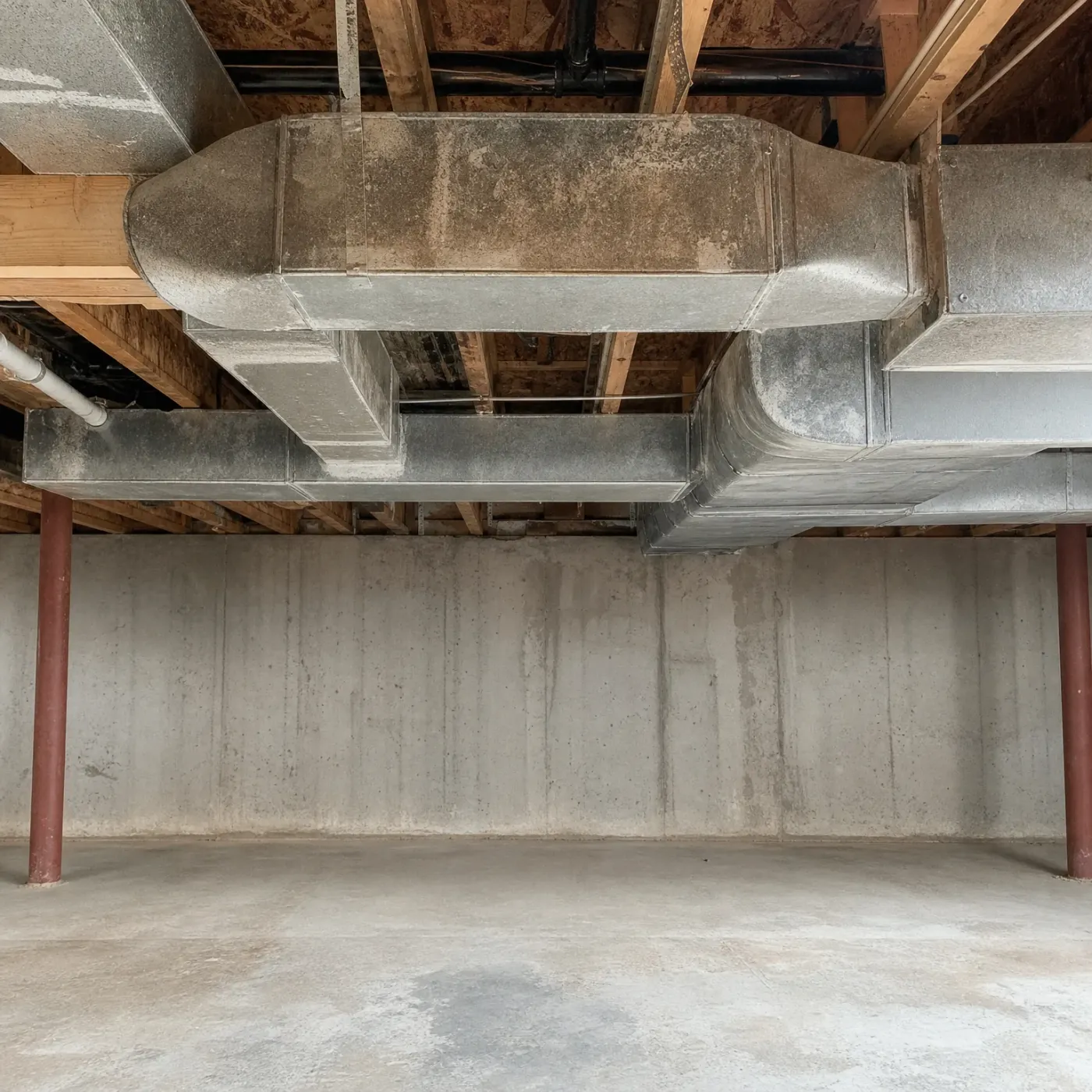
Air leaves the air handler through the main trunk line
It splits into branch lines feeding each room's register
At every joint, tape or mastic is the only seal holding
Attic heat dries that seal out and the joint opens up


The pro who gets in touch is licensed in Florida and works in Broward County.
Your request goes to a Broward County pro who takes ductwork jobs.
No charge to send it. You decide if you hire them.




If the ducts are sealed and the air is reaching every room, cleaning deals with dust and buildup inside lines that are already doing their job right.
A duct losing air at the joints needs sealing, not cleaning. A local contractor can check which problem you actually have before any work starts.

Every month the AC runs with a leak in the ducts, you're paying for air that's cooling the attic instead of your bedroom. The unit still cycles the same amount, pulling the same power, but less of what it makes gets to where you actually feel it. On a typical power bill here, that shows up as a number that creeps up without anything in the house explaining why.
It also means the room that never cools down stays that way until someone gets into the attic and finds the joint that's open. That's not something to guess at from the living room. A licensed contractor working in Fort Lauderdale sees this same attic, this same duct run, this same mastic failure on houses all over Broward County, and knows which joints give out first and what it takes to get air moving the way it should. Getting matched with one means someone who already knows this is looking at your house, not learning it from scratch.


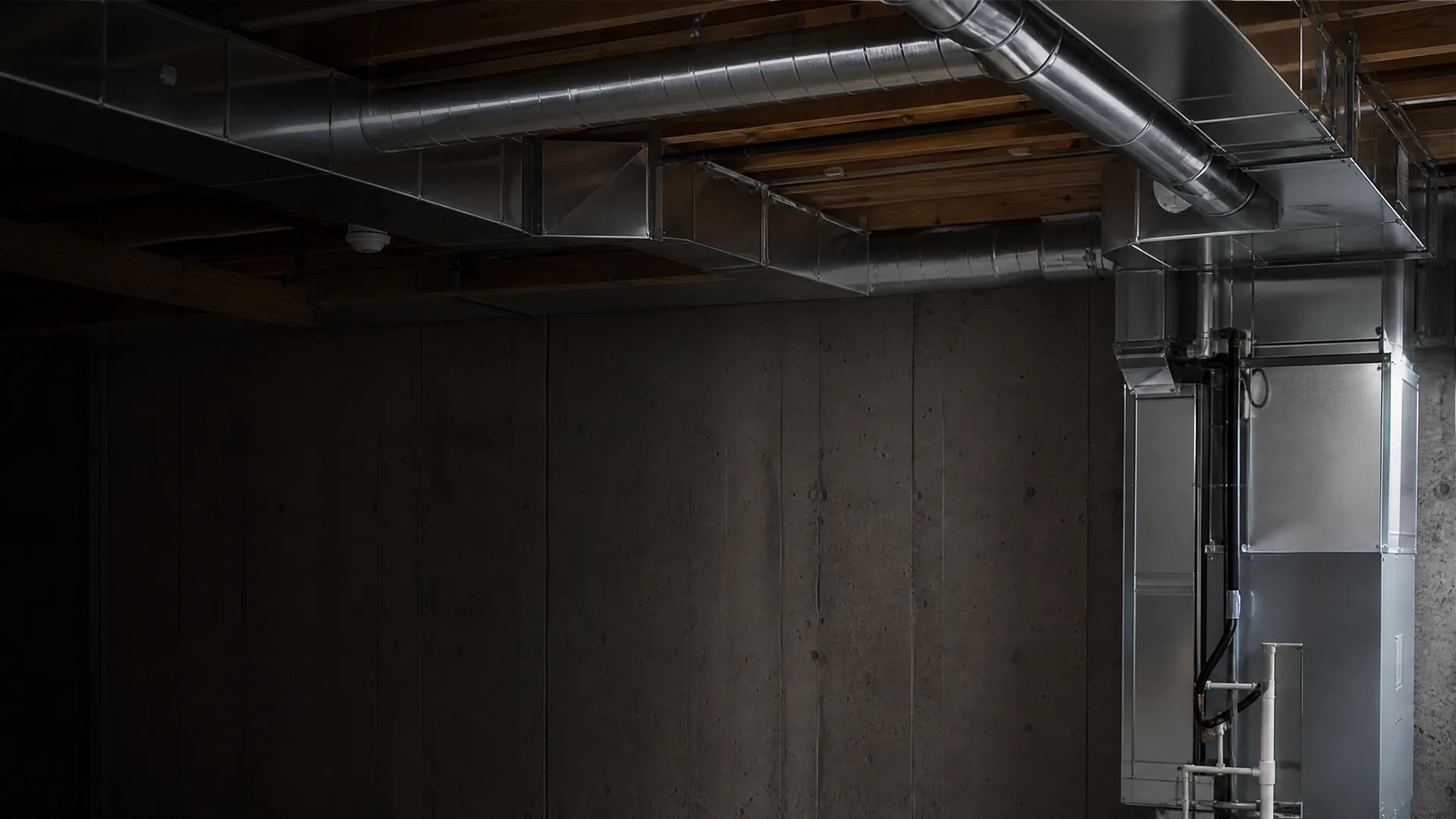
The metal trunk lines sit snug between the joists, seams taped and sealed. Air moves from the handler to every branch line without losing pressure. What the system pushes out is what reaches the register, room by room, all the way down the line.
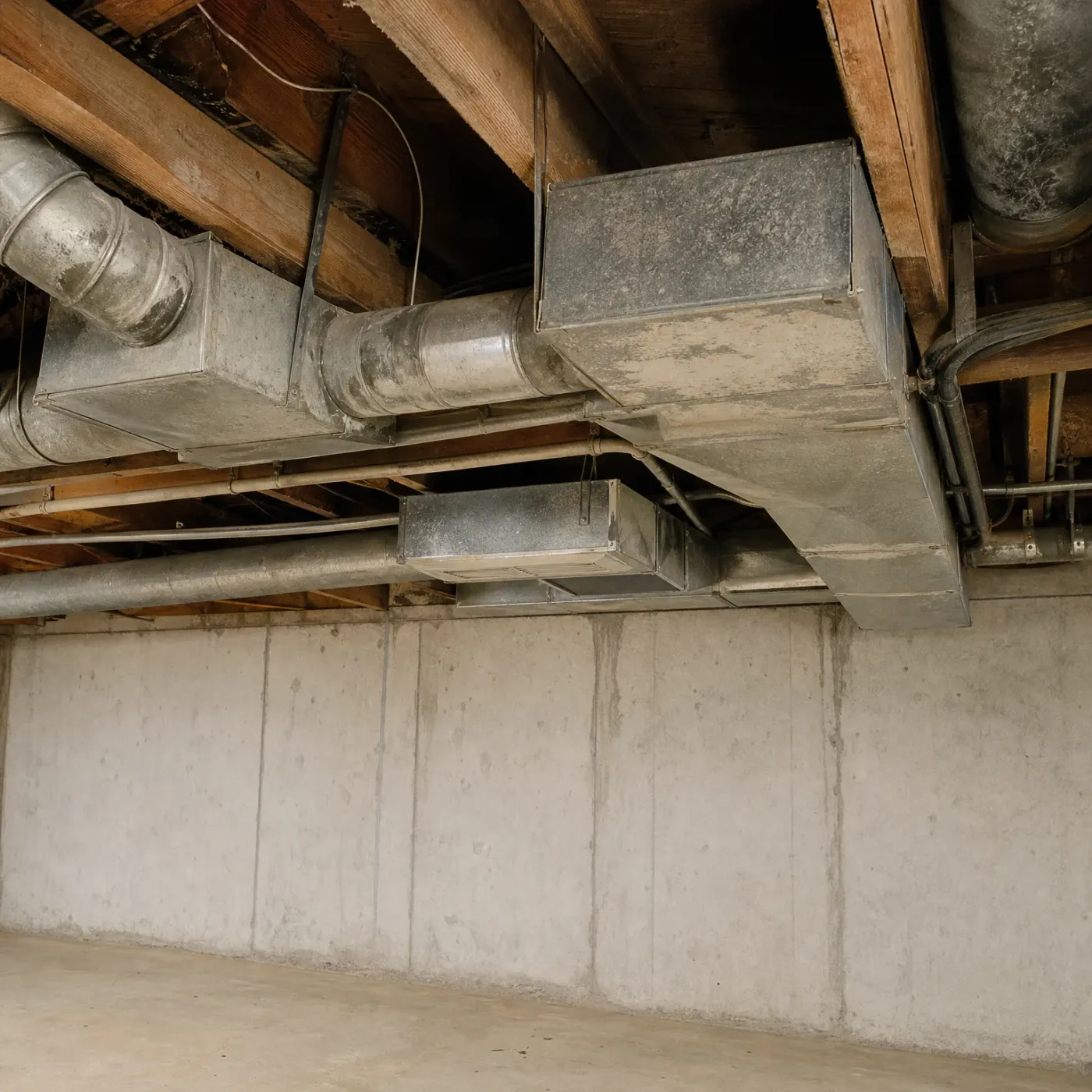
Here the flex duct has pulled loose from a fitting, and the joint sits open above the joists. Air pushes out into the space over the ceiling instead of down the branch line. The room it was headed for gets whatever's left after that.
A room that won't cool, a hiss at a joint, an attic hotter than it should be near a duct run: any one of those means air is leaving the system before it reaches you. The fix is sealing the leak, not replacing the unit or living with the uneven rooms. A contractor who works on ducts in Broward attics every summer has seen this exact failure, usually at the same joints, and knows where to look first instead of guessing room by room. You'll be matched with one licensed contractor local to Fort Lauderdale, not a handful of companies calling about the same job. They can get into the attic, find the joint or seam that's open, and tell you straight whether it's a tape job or something more. Until then, the AC keeps running the same cycle and paying for the same air, with less of it landing where you need it.
The pro who reaches out is licensed in Florida.