Signs your ducts need cleaning in Miami, FL

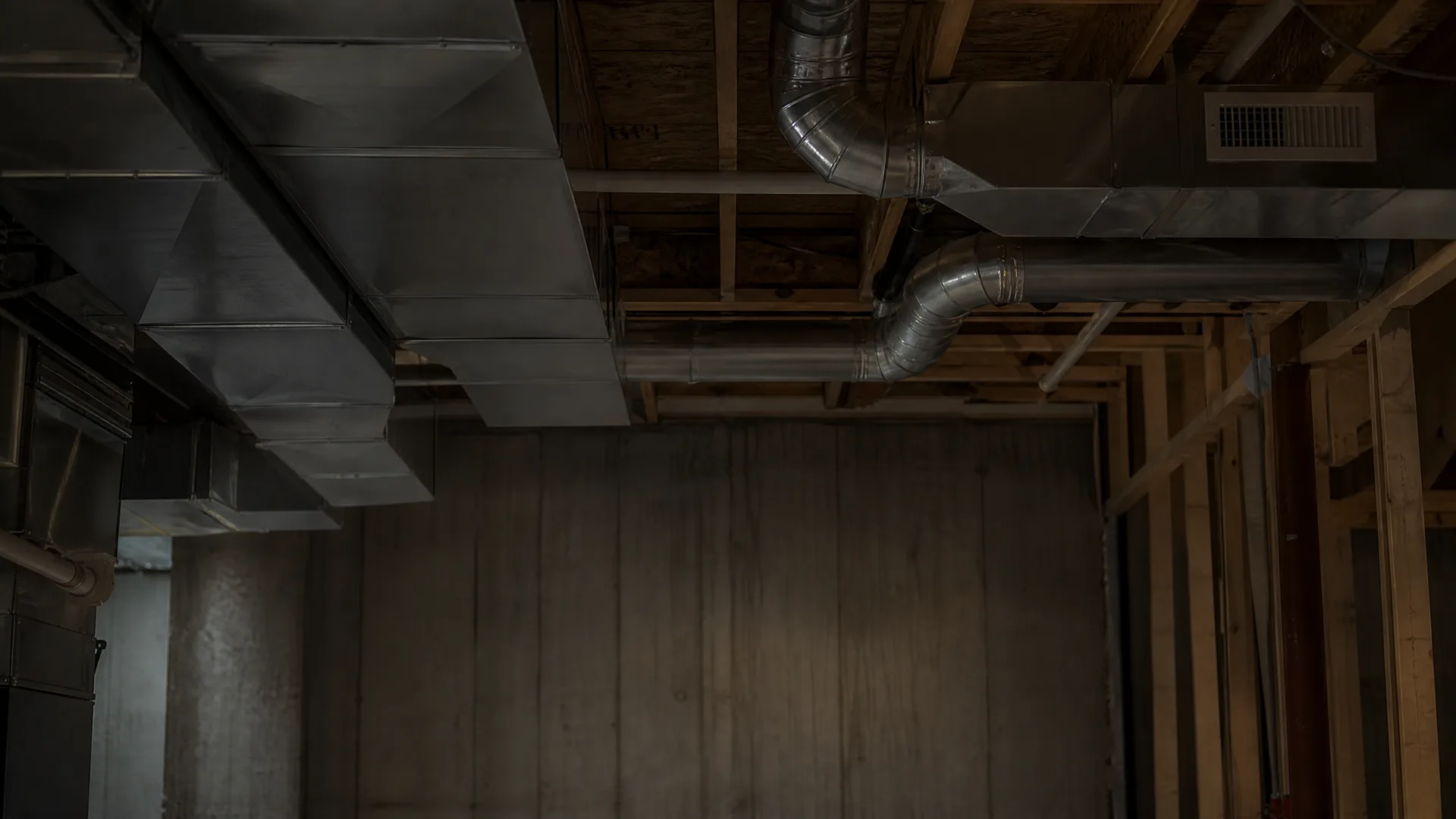
A galvanized steel round duct section with a 90-degree elbow and a rectangular louvered grille on its straight run, shown against a plain gray background.
Find a duct system pro

Dust building up on vents, a musty smell when the AC kicks on, and family members sneezing more indoors than outside are the clearest signs your ducts need cleaning. In Miami, the AC runs for most of the year, pulling humid air through the same duct system day after day. That constant moisture gives mold and mildew a place to grow inside the ducts themselves, and once it takes hold, the smell shows up before you can see anything. Rooms that stay stuffy even with the AC on, or vents that seem to blow weaker air than others in the house, often point to dust and debris choking the duct lining. If you can see dust kicked up around the vent covers or collecting fast on nearby furniture, that's dust the system is circulating, not filtering out. None of this is about one dirty filter. It means the ducts carrying air through your whole house need attention.

Half the homes here were built by 1980

If your house went up in 1980 or earlier, its ducts have had decades to collect dust, debris, and whatever has leaked in through gaps and old seams. Ductwork that age has usually seen a few patch jobs and a lot of humid Miami air moving through it, which gives dust and mold more places to settle.

ACS 2020-2024

Signs the ducts are the problem

Vents blowing out visible dust no matter how often you dust the house. A musty smell that shows up within a minute of the AC starting, then fades. Rooms at the far end of the house that never cool down like the rest. Anyone in the house with allergies getting worse indoors than out, especially right after the system cycles on. If you pull a vent cover off and see a gray buildup lining the inside, that is coming from somewhere further back in the duct run, not just the room itself.

Signs something else is going on

Short cycling, where the AC turns on and off every few minutes, usually points to a thermostat or sizing problem, not the ducts. Warm air blowing from every vent equally is more likely a refrigerant or compressor issue. A sudden spike in your power bill with no change in habits often means the unit itself is struggling, not the ductwork carrying the air. And a smell that only shows up once, after the house has been closed up during a storm, is probably just stale air, not a sign the ducts need attention.

Basement ceiling with galvanized sheet-metal ductwork, wooden joists and subfloor, black and white pipes, above a concrete wall and floor.
Before you get your ductwork cleaning
Unfinished basement with bare concrete walls and floor, exposed wood joists, and galvanized sheet-metal HVAC ductwork and pipes running across the ceiling.
After you get your ductwork cleaning

A crew doesn't just vacuum one spot and call it done. They work the system in order, supply side first, then the return, so nothing loosened gets pulled back through rooms you've already cleared. Each run gets brushed or agitated before a vacuum truck or negative-air machine draws the debris out through the main trunk. The return side is where most of the dust actually is, since that's the air coming back from the house before it hits the filter and the coil. Registers and grilles come off and get cleaned on their own, since dust cakes onto the louvers in a way brushing the duct itself won't touch. A camera run before and after shows whether the buildup actually left the system or just moved further down the line. If the coil or blower compartment turns up coated too, that's not a duct problem. That's a filter that's been too small or left in too long, and worth mentioning when you're talking to whoever comes out.

How a duct cleaning actually works

  • A duct cleaning crew works the system in one direction, usually supply side first, then the return, so nothing stirred up gets pulled right back through the house.
  • Each supply run gets brushed or agitated before the vacuum truck or negative-air machine pulls the loosened debris out through the main trunk line.
  • The return side carries far more dust than the supply side, since it's pulling household air back through the filter before it ever reaches the coil.
  • A camera run through the ducts before and after shows whether the buildup was actually cleared or just pushed further down the line.
  • Registers and grilles come off and get cleaned separately, since dust cakes onto the louvers in a way that duct brushing alone won't reach.
  • If the coil or blower compartment is coated too, that points to a filter that's been undersized or left in place too long, not just dirty ducts.
A woman wrapped in a thick cream knit blanket sits in a chair with an open book on her lap, beside a lit table lamp and a frost-covered window at night.
A smiling older woman with gray hair in a loose bun wearing a ribbed beige sweater stands in a dimly lit kitchen beside a window showing darkness outside, with a loaf of crusty bread on a wooden board in the foreground.

A duct system pro near you

With the AC running close to year round here, the air moving through your ducts carries Miami's humidity with it, and that's what turns ordinary dust into the kind of buildup that sits in the lines instead of blowing through. Once that happens, cleaning isn't something you can judge from the vent cover. You'd need someone to open the system up, check the supply and return sides, and tell you what's actually built up in there versus what's just a filter problem. Finding that person usually means calling a few duct cleaning companies, explaining the musty smell and the dust and the room that never cools right, and then sorting through who actually answers and who quotes what. Handing that off means one contractor who works in your area gets the details once, and you're not the one chasing quotes or repeating yourself to the next company on the list.

What These Signs Mean

  • Visible dust at the vents, a musty smell at startup, and more sneezing indoors than outside point to the ducts.
  • A home built in 1980 or earlier has had decades for debris to settle in the lines, especially with Miami's humid air moving through them most of the year.
  • Rooms that never cool down like the rest of the house often trace back to buildup restricting airflow in that run.
  • Checking these signs yourself only tells you a cleaning is likely needed, not which parts of the system need the work.
  • Instead of searching for a duct cleaning crew, calling several, and describing the same symptoms to each one, you can get matched with a contractor who already knows what these signs mean.
  • That match replaces the back and forth of comparing quotes with one contractor reaching out to look at your actual ducts.

Dust at the vents, a musty smell when the AC starts, more sneezing inside than out, and a room that stays warm no matter what you do all point the same direction. Your ducts are holding onto more than they should, and the air moving through them most of the year in Miami is what keeps feeding that buildup. If your house was built in 1980 or earlier, the lines have had decades to collect what's settled, and whatever patch work has happened over the years rarely clears it out.

None of that tells you which runs are affected or how bad it is behind the walls. That part takes someone in the attic and crawlspace with a camera and a brush, not a homeowner checking vents from a stepladder.

That's usually where people get stuck. Finding a duct cleaning crew means searching, calling a few, and walking each one through the same list of symptoms, the dust, the smell, the room that never cools down, hoping one of them calls back with a straight answer. Then there are quotes to compare against each other without much to judge them by beyond a number on a page.

Getting matched skips that part. Instead of tracking down crews and repeating yourself on the phone, one contractor who already understands what these signs usually mean reaches out to look at your actual ducts. You're left knowing what to watch for and where your house stands, and the rest of the work, finding someone qualified to deal with it, is no longer on you.
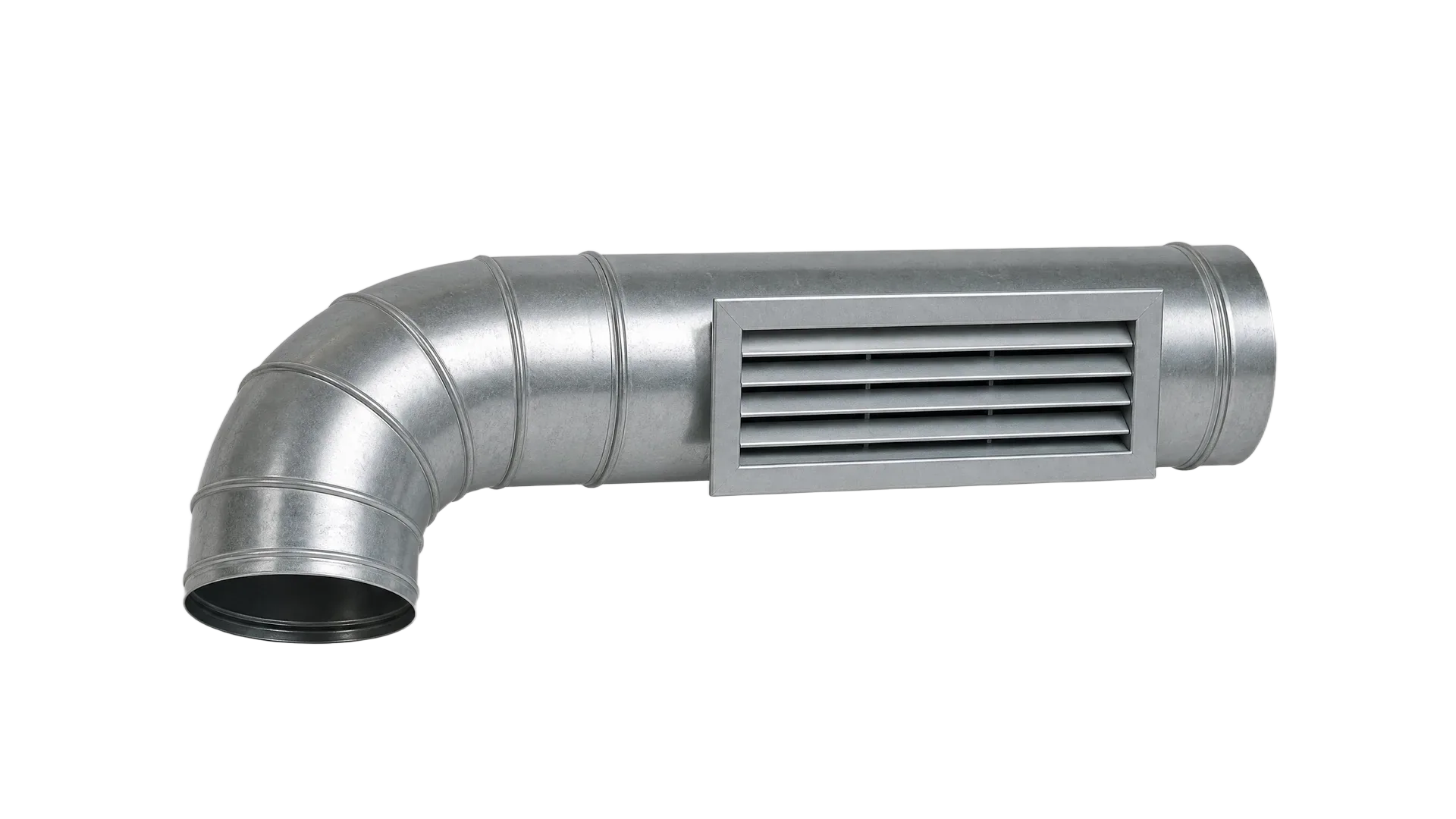

Dimly lit unfinished interior ceiling with galvanized rectangular and round sheet-metal ducts, a wall vent grille, exposed wood framing and joists.

Get matched with a duct system pro in Miami-Dade County

Describe your ductwork job once, to one pro.

Duct and vent cleaningDucts or ventsMiami-Dade County, FL
Step 1 of 2

What ZIP code is the job in?