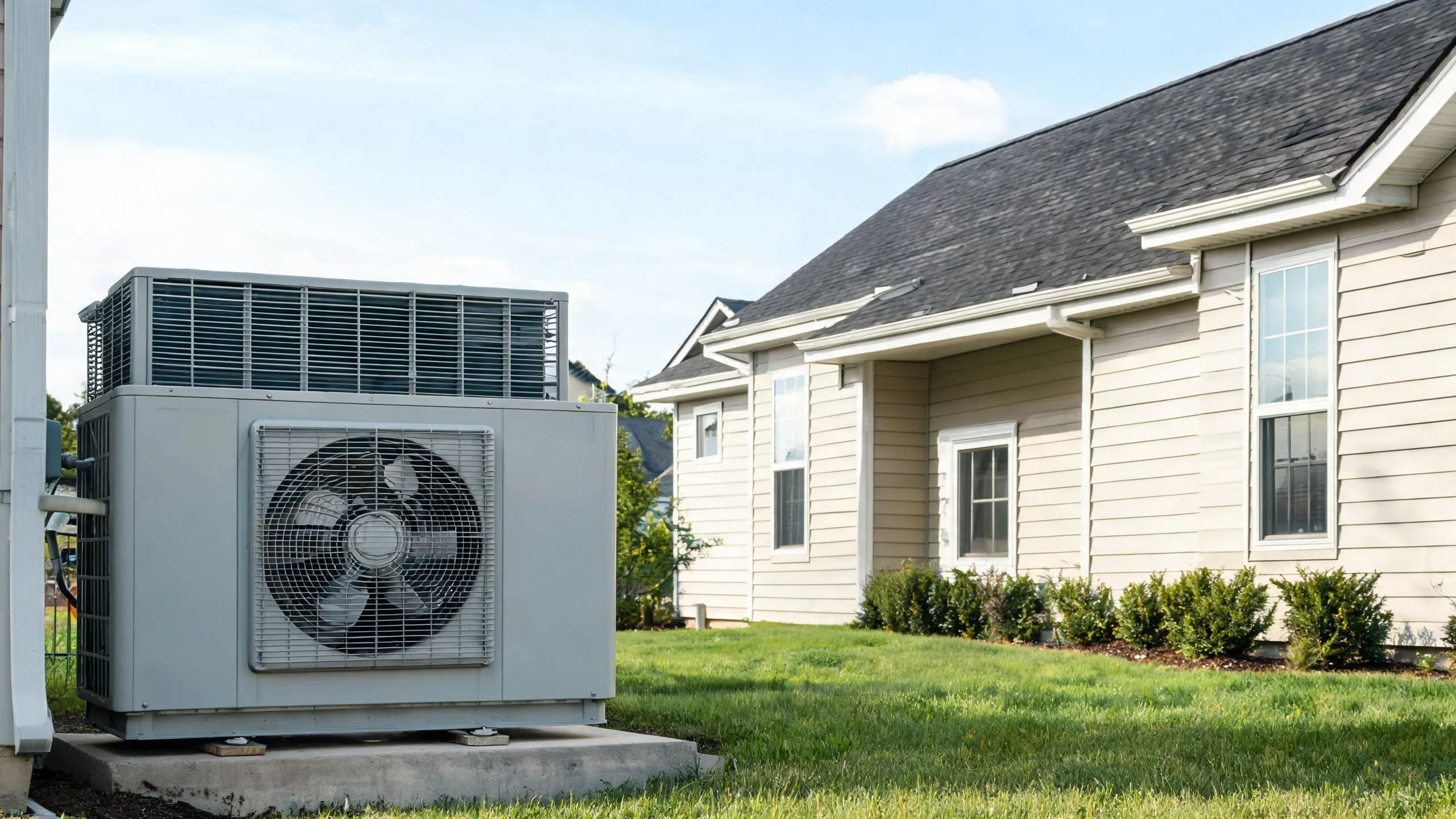
Heat Pump Repair in St. Petersburg, FL
Homes here need heat from January through January and cooling from March through December. If your system quits, tell us what it's doing and a licensed contractor who covers Pinellas County will get in touch.
Tell us about the job
It takes about a minute.
Your heat pump works almost the whole year here
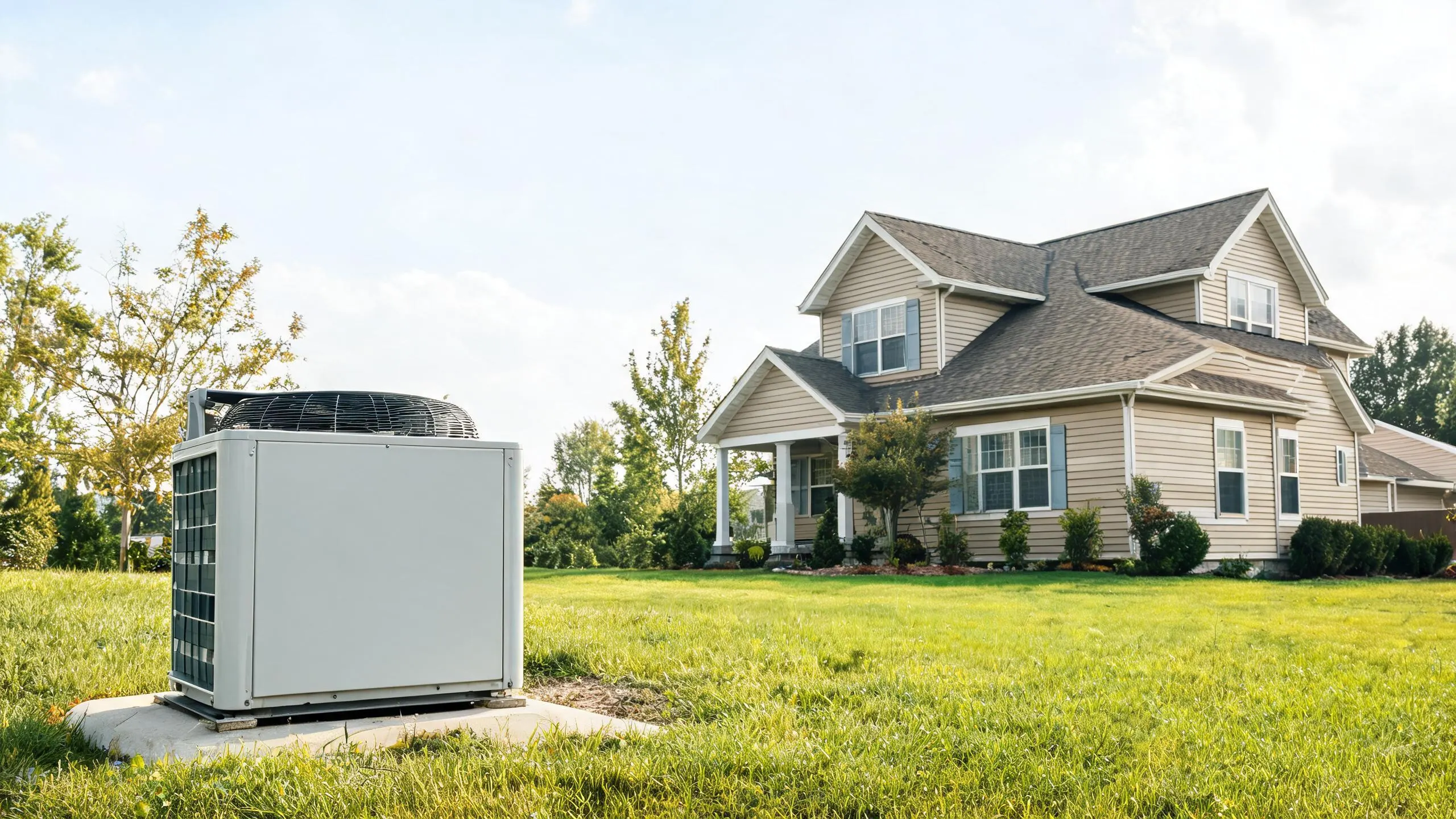
In St. Petersburg, the heat pump runs nearly every month, cooling from March through December and switching over for the few cold snaps in January. It rarely gets a real break, so wear shows up as running hours add up rather than in one hard season.
Summer afternoons averaging 90°F push the compressor and outdoor coil hard for months on end. That kind of steady load is what tends to wear down a compressor or leave a coil struggling to shed heat, and you notice it as a system that runs longer to reach the same temperature, or air that isn't as cold as it used to be. Pinellas County has also seen 60 damaging wind events over the past ten years, and outdoor units take that exposure directly. A storm that knocks debris into the unit or interrupts power can leave a heat pump not starting back up on its own even after the power returns.
- 1 months
- January through January, your system heats
- 10 months
- March through December, it cools
- 54°F
- the average winter night it heats against
- 90°F
- the average summer afternoon it cools against
NOAA nClimDiv, 1991–2020 normals
Florida requires HVAC contractors to hold a state license.
The Construction Industry Licensing Board tests contractors before it issues that license and keeps a record of who holds one. It covers the contractor, not each job, so the same license applies whether they're wiring a new unit or making a single repair.
For a heat pump repair, that state license is the thing accountable for the work in Florida. If the job involves opening the refrigerant lines, which most heat pump repairs do, the technician also needs EPA Section 608 certification, a federal requirement that applies in every state and stands apart from Florida's license.
Sources: Florida Legislature · Florida Department of Business and Professional Regulation
- Why is my heat pump blowing cold air?
- In heating mode, a heat pump moves warm air through the house at a lower temperature than a furnace would, so the air from the vents can feel cool even when it's working correctly. If the air feels cold rather than just cool, the system may be stuck in defrost mode or the reversing valve may have failed and left it running in cooling mode. Check the outdoor unit. If it's covered in frost or ice and not cycling out of defrost, or if the air stays cold for more than a few minutes, have a contractor look at the reversing valve and the defrost control.
- Why is there ice on my heat pump?
- A heat pump forms some frost during normal winter operation and clears it through a defrost cycle every so often. Ice that stays on the coil, builds up heavily, or covers the whole unit means the defrost cycle isn't finishing the job. This usually comes down to low refrigerant, a failed defrost sensor or control board, or airflow blocked by a dirty coil or a fan that isn't turning. Since winter nights here average 54°F, ice buildup isn't as constant a risk as it is farther north, so ice on the unit is a sign something needs attention rather than something to expect. Shut the system off so the ice can melt on its own and have a contractor check it before running it again.
- Why is my heat pump running but not cooling?
- If the outdoor unit and indoor blower are both running but the air isn't cold, the system is likely low on refrigerant, the compressor has failed, or the coil is frozen and blocking airflow. Start with the filter. A clogged filter restricts airflow across the indoor coil and can cause it to ice over, which will stop cool air even though the fan is moving. With summer afternoons here averaging 90°F, a system that isn't cooling won't keep up for long, so this is worth having a contractor diagnose soon rather than waiting.