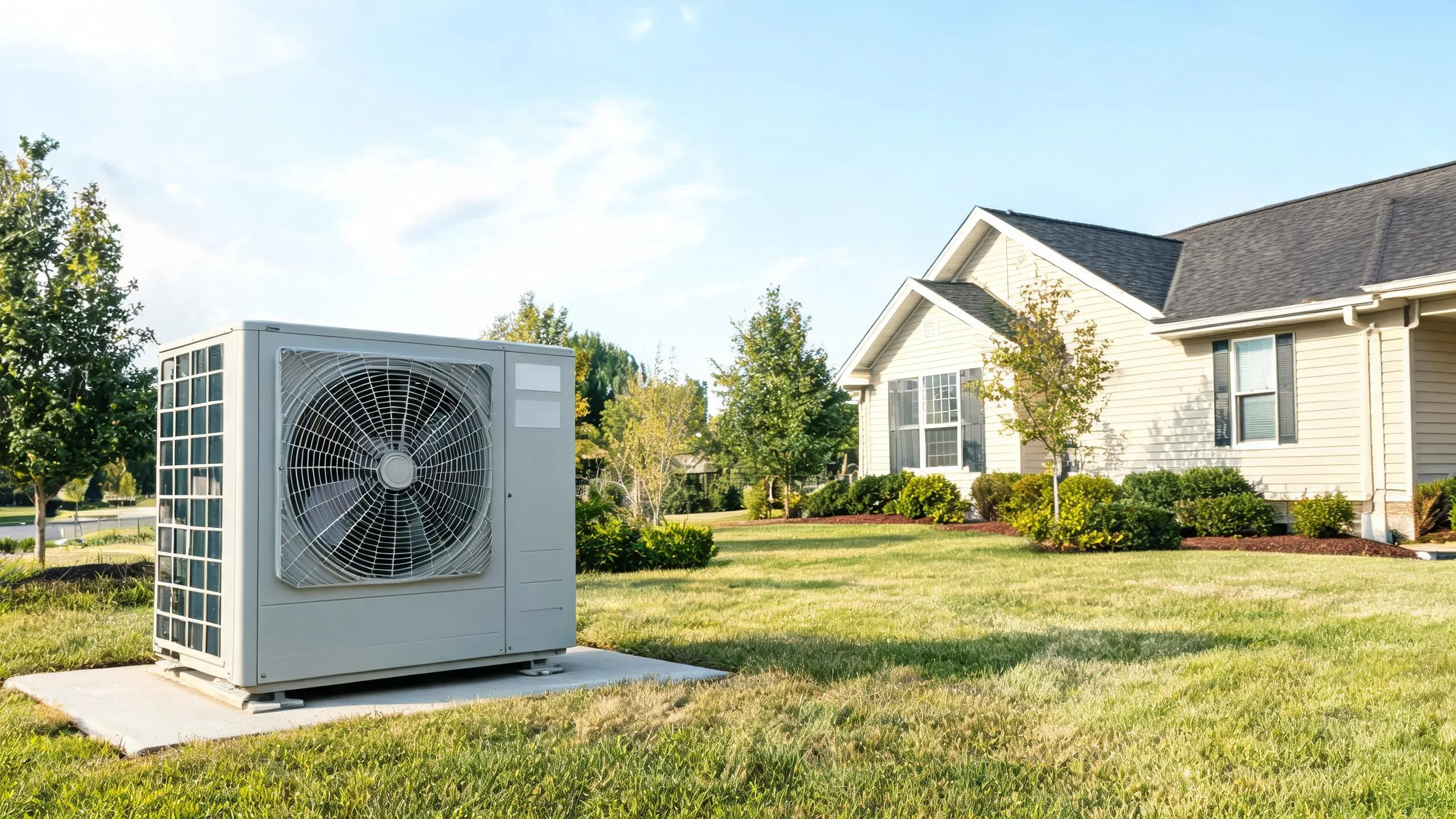
Heat Pump Installation in St. Petersburg, FL
A new system here will heat from January through January and cool from March through December every year. Tell us about the house, and a licensed contractor who covers Pinellas County will get in touch.
Tell us about the job
It takes about a minute.
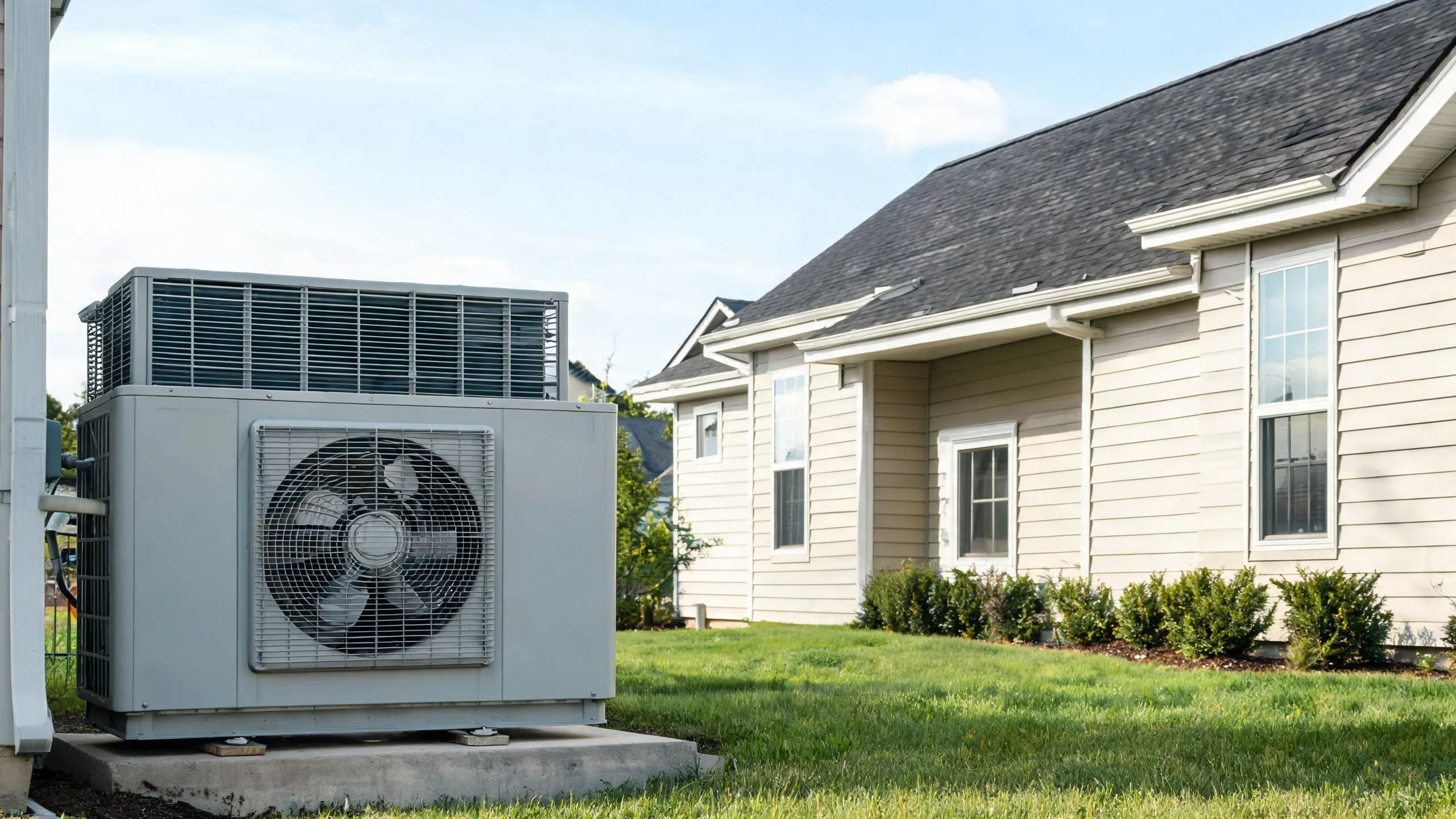
Eleven months of the year, your heat pump is working
In St. Petersburg the cooling season runs March through December, and afternoons average 90°F. Your heat pump carries that load ten months a year, then switches to heat for the one month winter shows up, when nights average 54°F. That's not a hard cold to heat against, but it means the system barely rests. Almost all of the work falls on the compressor and the electric backup, since 92.1% of homes here heat with electricity.
Any new split-system heat pump has to meet 14.3 SEER2 for cooling and 7.5 HSPF2 for heating. That part is fixed. What matters more here is what's around the install. Pinellas County has logged 60 damaging wind events over the past ten years. In 2024, 38% of Florida households lost power for at least a day. A new heat pump should go in with that in mind, not just the heat.
- 1 months
- January through January, your system heats
- 10 months
- March through December, it cools
- 54°F
- the average winter night it heats against
- 90°F
- the average summer afternoon it cools against
NOAA nClimDiv, 1991–2020 normals
Florida requires HVAC contractors to hold a state license.
The license sits with the contractor, not with this one job. The Construction Industry Licensing Board tests and records the person or business, and that record follows them from one job to the next rather than resetting each time they take on new work.
For this heat pump installation, the license is what stands behind the person doing the work, and the permit is what stands behind the job itself. Most cities and counties in Florida require a permit before a heat pump goes in, along with an inspection once it is done, and that inspection is what checks the installation against the local building office rather than against the state board.
Sources: Florida Legislature · Florida Department of Business and Professional Regulation
- Is a heat pump better than a furnace?
- For St. Petersburg, yes. A furnace only heats, and homes here only need heat in January, while they need cooling from March through December. A heat pump covers that one month of heat and also runs the air conditioning the rest of the year. One system doing both jobs makes more sense here than a furnace that sits unused most of the year.
- What's the difference between a heat pump and an air conditioner?
- An air conditioner only moves heat out of your home. A heat pump can also run in reverse, pulling heat from the outside air and moving it inside, so it heats as well as cools. Otherwise the two work the same way, using a compressor and refrigerant to move heat rather than generate it.
- Does a heat pump work in cold weather?
- Yes. Winter nights in St. Petersburg average 54°F, which is well within the range a heat pump handles without trouble. Heat pumps lose efficiency when outdoor temperatures drop well below freezing for long stretches, which is not what winters here look like.