
AC Maintenance in Clermont, FL
Air conditioners here run from March through November, so February is the time for a tune-up. Tell us about your system, and a licensed contractor who covers Lake County will get in touch.
Tell us about the job
It takes about a minute.

Nine months of cooling wears on a system
Your air conditioner runs from March through November here, nine months of the year. On afternoons that hit 91°F, it doesn't cycle off for long before it's back on. That kind of run time adds up on the parts that keep it going, the capacitor, the contactor, the condenser fan motor.
A tune-up catches what that wear looks like before it shows up as a breakdown. A technician checks refrigerant charge, tests the capacitor, and clears the condenser coil so the system isn't working harder than it should to move heat outside.
- 9 months
- March through November, your air conditioner is on duty
- 91°F
- the average summer afternoon it cools against
- 23 hail events
- in ten years, and hail bends the fins on outdoor coils
- 41 wind events
- in ten years, and wind drives debris into outdoor units
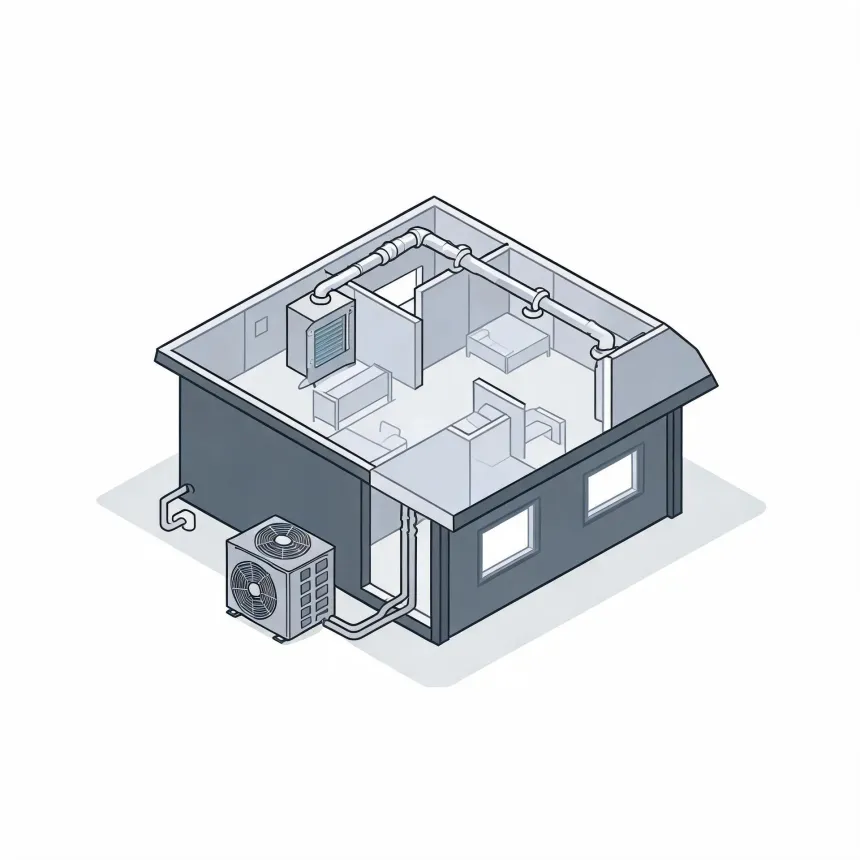
NOAA nClimDiv, 1991–2020 normals

Book your AC tune-up in February, before homes here start needing cooling in March.
- Jan
- Feb
- Mar
- Apr
- May
- Jun
- Jul
- Aug
- Sep
- Oct
- Nov
- Dec
A tune-up checks the refrigerant charge, cleans the coils, tests the capacitor and tightens the electrical connections.
Florida requires HVAC contractors to hold a state license.
The Construction Industry Licensing Board tests contractors before they get that license, and it keeps a record of who holds one. Because the license covers the contractor rather than each job, the same license that lets someone install a system also covers routine maintenance on your air conditioner.
A maintenance visit on an AC does not always mean the refrigerant side gets opened, but if it does, that work needs its own credential on top of the state license. Anyone who connects gauges to your system or handles refrigerant has to hold EPA Section 608 certification, which is a federal rule that applies no matter what state you're in.
Sources: Florida Legislature · Florida Department of Business and Professional Regulation
- What does AC maintenance include?
- A technician checks refrigerant charge, cleans the condenser coil, and tests the capacitor and contactor in the outdoor unit. Inside, they check the evaporator coil, the blower wheel, and the condensate drain line to make sure it isn't clogged. They also check the thermostat and look over the electrical connections for signs of wear. In Clermont, where the system runs from March through November, the condensate line and the outdoor coil deserve real attention since both work harder over that many months.
- How often does an air conditioner need maintenance?
- Once a year is the standard, done in spring before the heavy cooling months start. Homes in Clermont need cooling nine months of the year, so the system gets far more run hours than it would somewhere with a short summer. That extra runtime means dirt builds up on the coil and wear adds up on the capacitor and contactor faster. A yearly check catches those problems while they're still small.
- Is AC maintenance worth it?
- Yes, because most breakdowns start as small problems that a technician can catch early, like a weak capacitor or a coil that's losing airflow to dirt. In Clermont, summer afternoons average 91°F, so a system that fails leaves a home with no way to cool down during the months it needs it most. Cooling runs March through November here, nine months of the year, which gives a system more time to develop the wear a yearly visit is meant to catch. Florida requires HVAC contractors to be licensed, so the person doing that check has met the state's requirements for the work.