Why your house is so dusty in Florida

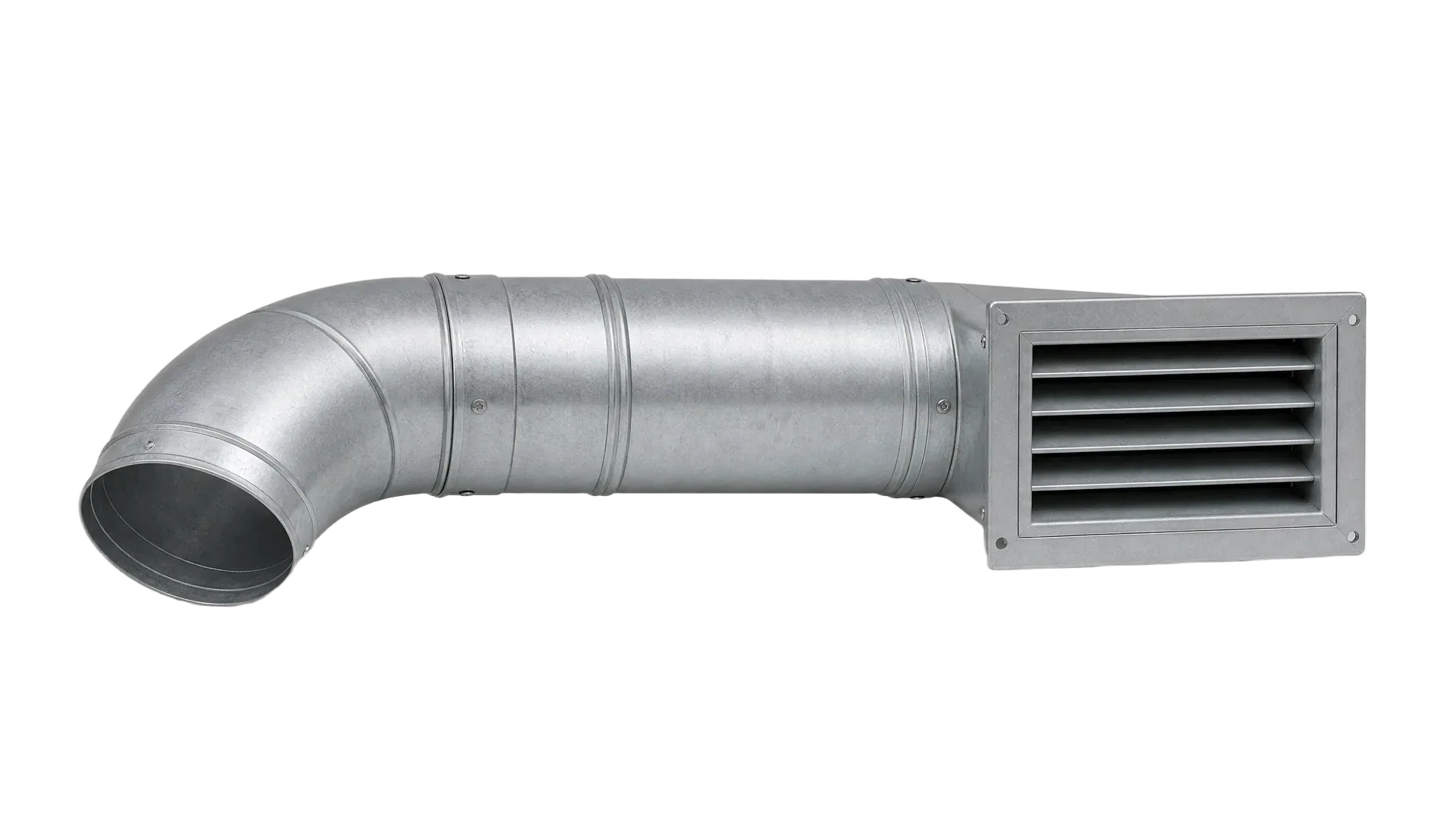
A galvanized metal round duct with a 90-degree elbow connected to a rectangular louvered vent grille, shown against a plain gray background.
Connect with a pro

The dust is coming from your ductwork, and Florida's humidity is part of why. Your air conditioner runs most of the year here, pulling air through the ducts for months at a time, and any dust, insulation fiber or debris sitting inside those ducts gets carried into every room each time the system cycles. Humid air also lets dust stick to coils and duct walls instead of blowing straight through, so it builds up rather than clearing out on its own. If your filter is undersized, loose-fitting or overdue for a change, it lets more of that material through than it should. The longer it sits, the more settles on your furniture and floors between cleanings. A duct system that has never been cleaned, or hasn't been in years, is usually the real source, not the air outside your windows.


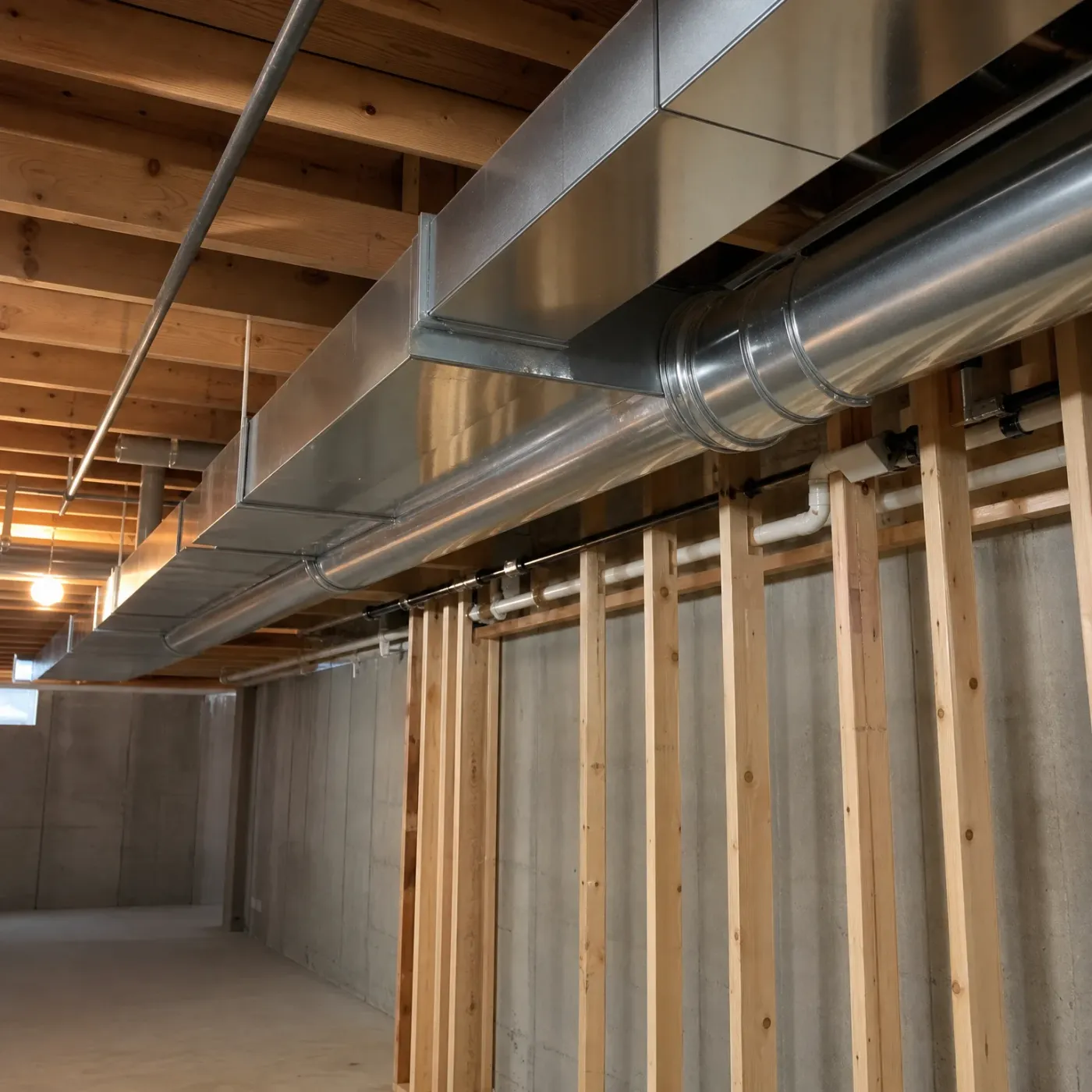
Unfinished basement with bare concrete walls and floor, showing exposed wood floor joists overhead with sheet-metal rectangular ductwork, insulated flexible ducts, and pipes.
Here the ducts run tight and sealed, so air moves through metal and flex runs without picking up anything extra along the way.
Basement ceiling with galvanized sheet metal rectangular ducts and round pipes running between wooden joists above a bare concrete wall and floor.
Here a joint has opened and insulation has worked loose, feeding fiber and debris into the air every time the system runs.

Your air handler is built to pull air, not just push it. Every cycle, it draws return air back through the ducts before it reaches the blower and coil, and that return side runs under slight negative pressure. A tight, sealed duct system moves that air through metal and flex runs without picking up anything extra. But a gap at a joint, a torn section of flex duct, or tape that has let go works against you. Instead of holding air in, those openings pull attic air, insulation fiber and debris into the system, the same way a straw draws liquid up. None of that gets stopped by your filter, since it only catches what passes through the filter box, and anything entering downstream skips it completely. Florida's humidity adds to the problem once that debris is circulating. Moisture in the air lets dust cling to coil fins and duct walls rather than blow straight through, so it builds up as a coating that keeps feeding more dust into your rooms.


How dust gets into your ducts

  • Your air handler pulls return air through the ducts before it ever reaches the blower and coil.
  • Any gap in a duct joint acts like a straw, pulling in attic air, insulation fiber and dust with every cycle.
  • Flex duct that has sagged or torn lets conditioned air leak out and pulls unfiltered air back in.
  • The return side runs under slight negative pressure, so loose duct tape or a disconnected seam draws debris in rather than pushing it out.
  • Florida's humidity lets dust stick to coil fins and duct walls instead of blowing through, building up a coating over time.
  • A filter only catches what passes through it, so anything entering downstream of the filter box skips it entirely.
Empty concrete-walled basement room with galvanized rectangular and round HVAC ducts and pipes running along the exposed wood-joist ceiling.
Before you get your ductwork cleaning
Unfinished basement with galvanized sheet-metal ductwork and pipes beneath wood joists, a gray furnace unit at left, insulated plastic-covered walls over a concrete foundation, and a bare concrete floor.
After you get your ductwork cleaning

Your AC runs most of the year

In Florida, the system cycles on for months at a stretch, pushing air through the same ducts over and over, so any leak keeps feeding dust into every room.

Get a licensed local pro

Electric heat changes the airflow too

Most homes here heat with electricity, so the same ducts and the same leaks carry dust through the system in winter as well as summer.


Get a licensed local pro

Clean Ducts vs. Dirty Ducts

Clean ducts

  • Return air passes through metal and flex runs without picking up extra fiber or debris along the way.
  • The blower pulls the same volume of air each cycle, so dust in the house comes mostly from normal daily living.
  • Vents stay free of the gray buildup that collects when ducts are feeding dust into the airflow.
  • A filter changed on schedule keeps catching most of what comes through, since it isn't fighting a steady feed of debris.
  • Register covers and furniture nearby stay cleaner for longer between dustings.

Dirty ducts

  • A gap in a joint or a tear in a flex run keeps adding dust and insulation fiber to the air every time the blower starts.
  • Vents near the ceiling show a ring of gray dust that builds back quickly even after wiping it down.
  • The filter clogs faster than it should, because it's catching more than the air actually carries into the house.
  • Surfaces near the registers collect a fine layer of dust within days of being cleaned.
  • Rooms farthest from the air handler often show the heaviest buildup, since debris settles along the full length of the duct run.
A smiling gray-haired man in a dark wool coat with snow flecks stands in a dimly lit home entryway, with a lit table lamp, potted plant, framed pictures and a living room visible behind him.
An older man with gray hair and a beard, wearing a snow-dusted dark coat and knit scarf, stands smiling in a dimly lit house entry with a lit lamp, mirror, and a living room with snow visible through the window behind him.
An older man with gray hair and a beard, wearing a dark snow-dusted coat and plaid scarf, stands smiling in a warmly lit hallway with a lamp, side table and glass-paned doors behind him.
An older man with gray hair and a beard, wearing a dark coat dusted with snow, stands in a home entryway with a lit lamp, a staircase railing, and a living room with large windows behind him.
Unfinished basement with exposed wood joists, galvanized rectangular and round ductwork, piping, stud framing against concrete walls, and a bare hanging light bulb.

A duct system pro near you

The pro who reaches out is licensed in Florida.

A local pro who knows ducts gets your details and gets in touch.

Find a pro near me

You only hire the pro if you want to.

Why does your house feel dusty again a day after you clean?

You wipe down the shelves and by the next afternoon there's a thin film back on them. Vents look gray around the edges. The air handler closet has a faint musty smell when it kicks on. You might notice it more in rooms farthest from the air handler, or see dust gather fast on dark furniture near a vent. None of this is about how often you clean. It's what's moving through the ducts every time the system runs. Left alone, that debris keeps circulating through the same air your household breathes, and a return pulling in attic insulation or dust doesn't stop on its own.

Empty unfinished basement with bare concrete walls and floor, showing galvanized sheet metal ductwork, insulated flexible duct, and pipes running along the wood-framed ceiling, with a small window at left.

Ducts sealed tight

This is what a sound duct run looks like, metal trunks and flex pipe fitted close along the joists with no gaps at the joints. Air moves from the air handler to each room without picking up anything along the way. Nothing in the basement feeds into the airflow.

Empty basement room with bare concrete walls and floor, with exposed wooden joists, sheet-metal HVAC ducts, an insulated flexible duct, and pipes running across the ceiling.

A joint pulling in debris

Here the ductwork sits open to the floor joists and wiring above it, flex duct running alongside a gap where a seam has come loose. Every time the blower cycles, that opening draws in whatever is sitting in the joists and feeds it straight into the air moving through your house.


A woman with dark shoulder-length hair sits wrapped in a gray fleece blanket on a sofa with an open book on her lap, beside a lit lamp and a dark window.
A woman in a cream knit sweater sits in an armchair with her eyes closed and head tilted back, beside a window showing orange autumn foliage and a wooden side table with a mug.

You keep cleaning and the dust keeps coming back, because the source is inside the duct system, not on top of your furniture.

A contractor who services ducts in your area can look at what's actually happening in yours and clean out what's feeding it, instead of you wiping the same shelf every week.

Power costs 15.21 cents per kilowatt-hour statewide

At 15.21 cents a kilowatt-hour, running your air handler longer than it needs to costs you something every month. A leaky duct run makes the blower work harder to push air through the house, and you pay for that extra runtime whether the dust gets cleaned up or not.

EIA-861 2025 statewide residential average

A woman in a long cream cardigan and jeans stands at an open wooden front door of a gray shingled house with stone-based porch columns, with a second person visible inside, and potted flowers and shrubs beside the entry.

The dust is coming from the ducts, not the housekeeping

Your AC runs for months at a stretch here, and whatever is sitting inside those ducts, loose insulation, a gap at a joint, rides along with every cycle of air. That's why the dust comes back the day after you clean. Wiping the shelves doesn't touch the source.

A contractor who works on duct systems in your area sees this pattern every season and knows where it usually starts, whether that's a torn flex run or a joint that's opened up over time. Getting matched with one means someone local looks at your ducts specifically, not a general checklist, and reaches out to go over what's actually happening in your house.

A speckled beige ceramic vase holding thin dried branches sits on a round wooden table near a window with sheer curtains, with a dark upholstered chair and draped blanket blurred in the background.
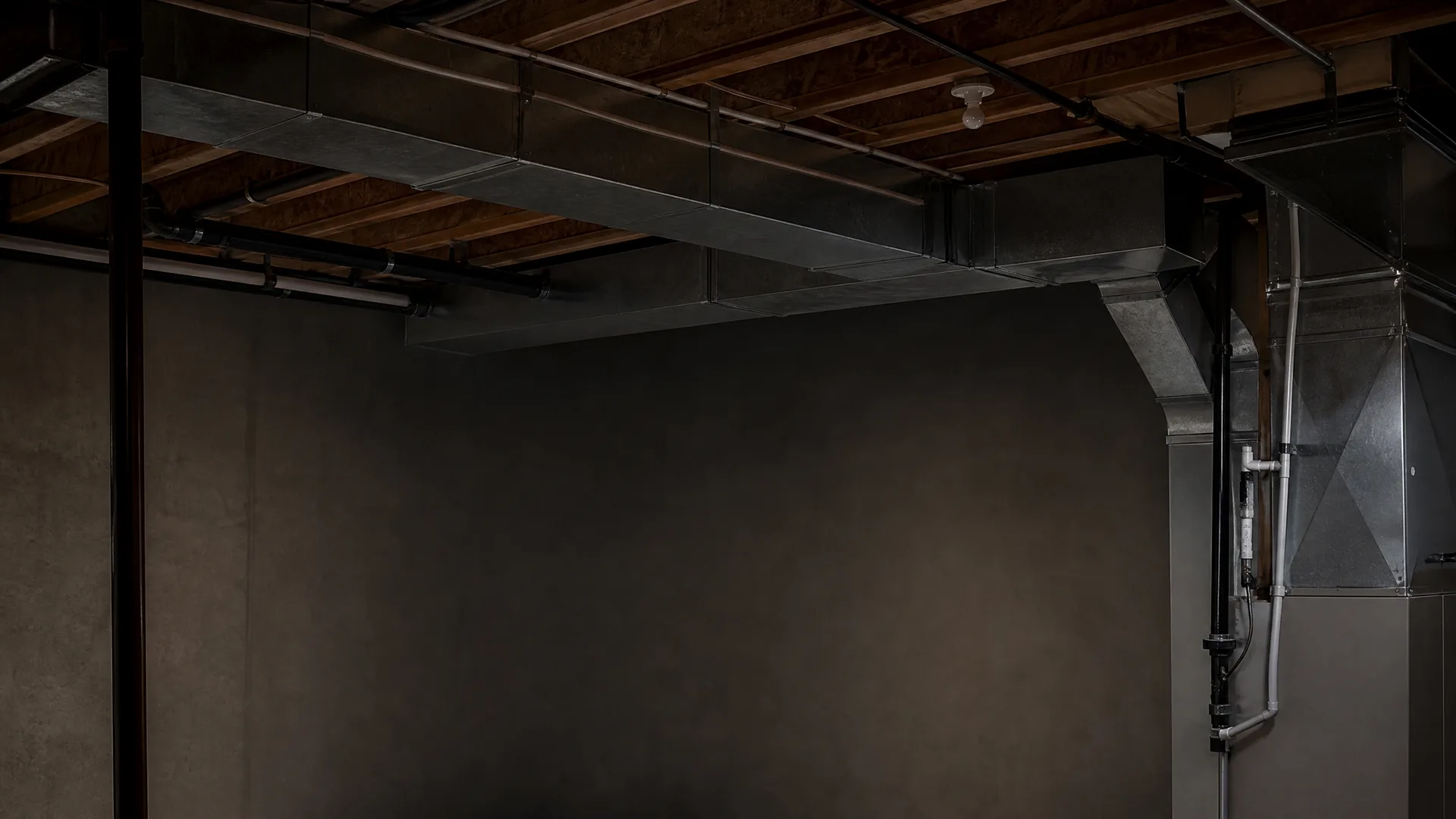
Dim interior with a dark gray wall, exposed wood joist ceiling, sheet-metal ductwork, conduit, pipes and a sprinkler head.

A local pro for your ductwork cleaning

Only one pro gets your request, so you hear from one company.

Duct and vent cleaningDucts or ventsFlorida
Step 1 of 2

What ZIP code is the job in?