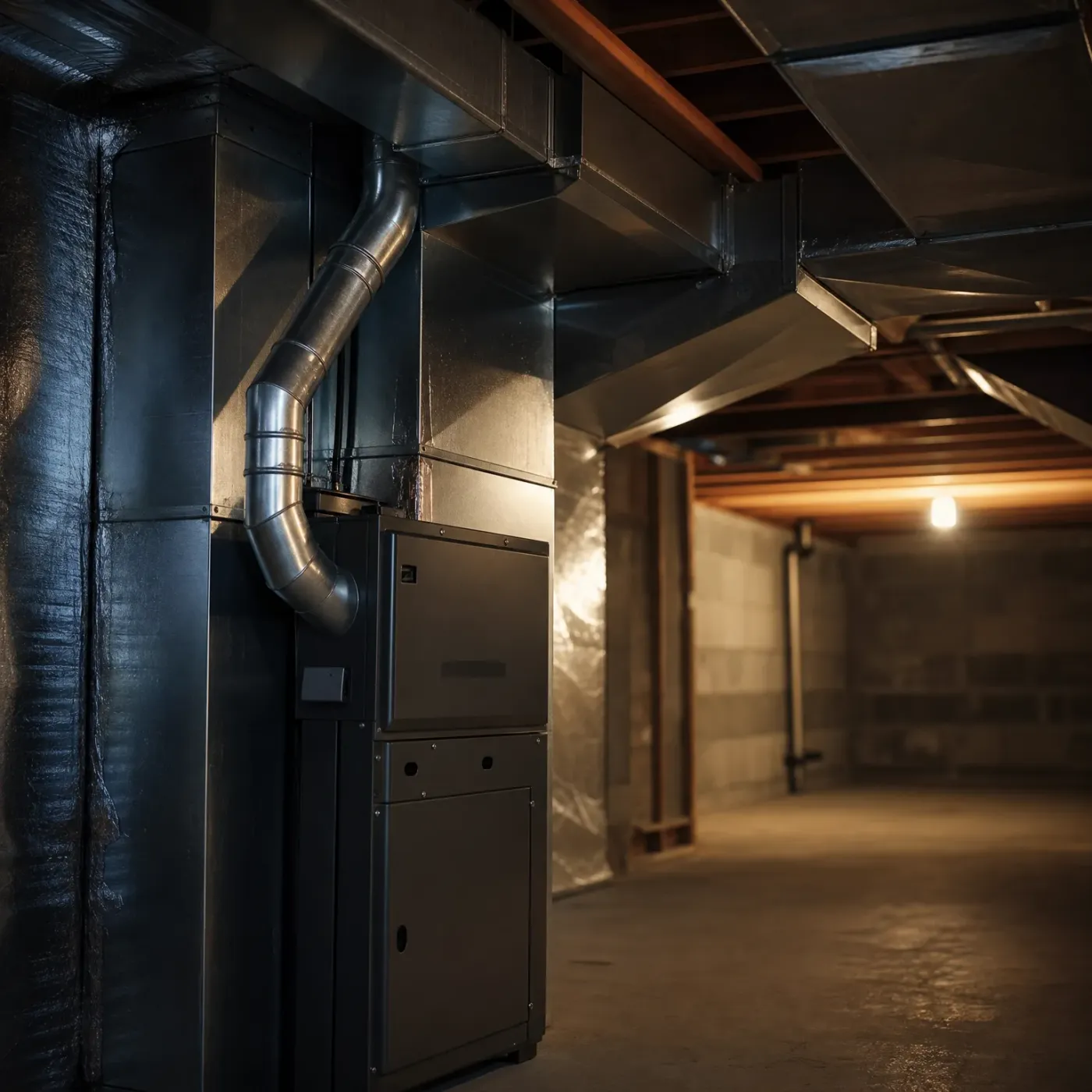
No calling every shop in Hillsborough County
Signs your ducts need cleaning in Tampa, FL
Dust around a vent, a musty smell when the air kicks on, more sneezing than usual indoors. This page walks through what those signs actually mean for your ducts and when cleaning is worth doing in a Tampa home. Skip the search for who does this work and the back and forth of calling around for quotes. One local contractor who deals with Hillsborough County duct systems all year can take a look and tell you straight.
Start one formThe clearest sign is dust that comes back fast after you wipe it, especially around the vents and on surfaces nearby, along with a musty smell when the system first kicks on. In a Tampa home, that smell usually points to moisture sitting in the ductwork, not just dust. Summers here stay muggy for months, and the humidity that comes in through the house works its way into the ducts, where it settles on dust and gives mold something to grow on. If anyone in the house is sneezing more indoors than out, or the air feels heavier than it should even with the AC running, that is the system pushing air through ducts that are carrying more than it should. None of this means the ducts are unsafe to use. It means they are overdue for a cleaning, and the longer it waits, the more buildup the air conditioner has to push through every time it runs.


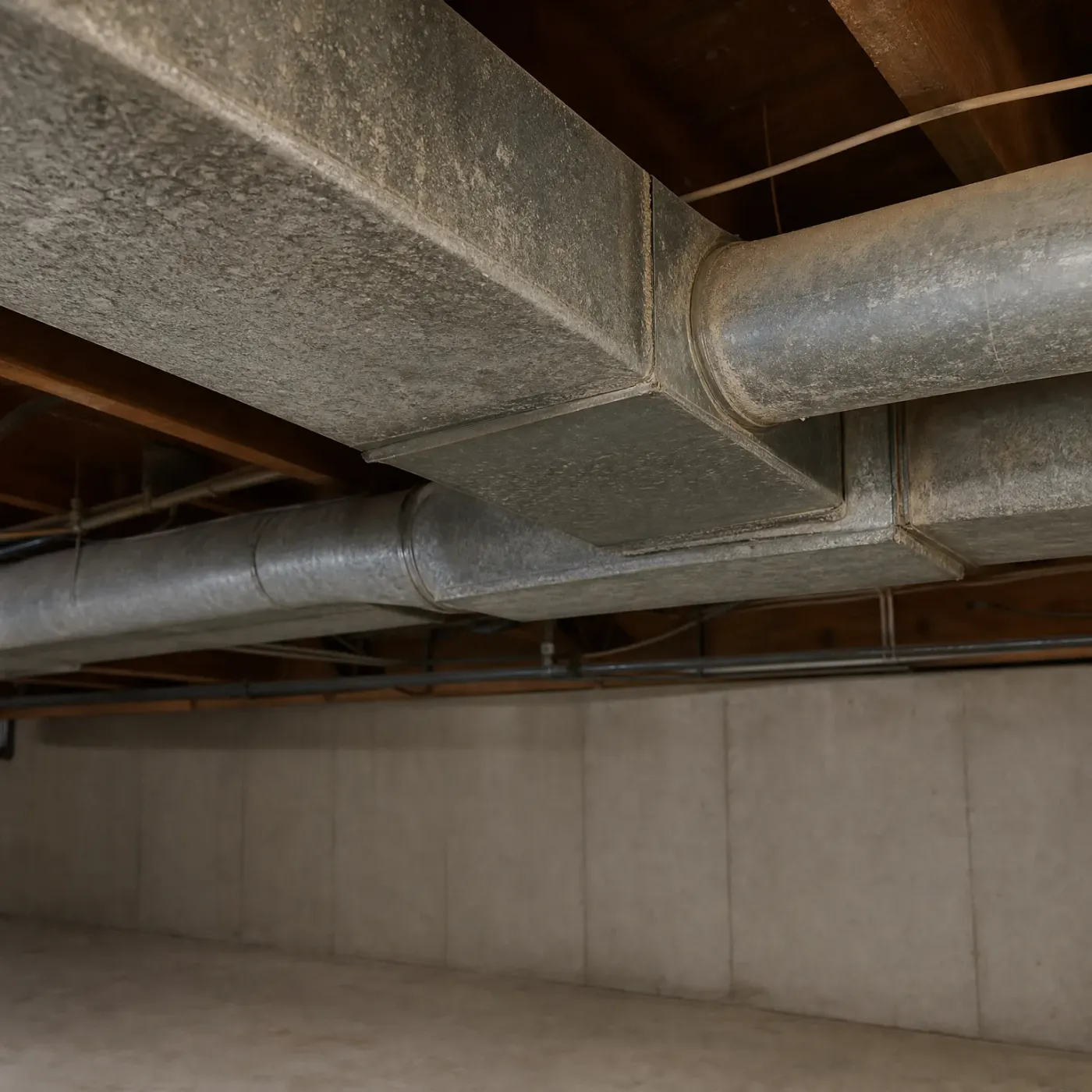
A technician doesn't just vacuum the vents. The work runs section by section, pushing compressed air through each duct run while a vacuum pulls loose material back out, ending at the main trunk. Where that material comes from depends on the duct itself. Flex duct has a ribbed inner liner that holds dust more than smooth metal does, which is why attic flex runs in Tampa homes tend to show buildup sooner. The return side usually carries more of it than the supply side, since return ducts are pulling air out of the house, along with whatever dust and pet hair is riding on it, before it ever reaches the filter. Some of what causes trouble never makes it into the ducts at all. The coil and blower wheel sit past the filter too, and dust that settles there cuts airflow the same way a dirty duct run does, so a technician checks both. Moisture adds a separate problem. Where it works into the system through a loose joint, mold can start growing well before any dust is visible at the vents.
How duct cleaning actually works
- Most central systems pull return air through a single filter, so dirt that bypasses it settles in the duct runs instead of staying trapped.
- A duct cleaning job pushes compressed air through each run while a vacuum collects what breaks loose, working section by section back to the main trunk.
- Flex duct holds dust in its ribbed inner liner more than smooth metal duct does, so Tampa homes with flex runs in the attic often show buildup sooner.
- The supply side usually runs cleaner than the return side, since return ducts pull household air and whatever is riding on it toward the air handler.
- A technician checks the coil and blower wheel too, since dust that never reached the ducts can still build up there and cut airflow.
- Humidity that gets into the duct system through a leaky joint feeds mold growth before any dust problem becomes visible at the vents.




Why does duct dirt build up so fast in a Tampa home?
Half the homes here were built by 1991
Half the homes in the county went up in 1991 or earlier, old enough that the duct runs have likely never been cleaned.
Heat runs December through January
Cooling runs March through November here, nine months of the blower pulling air through the same ducts and settling dust in the runs.
Cooling runs March through November
Heat only runs December and January, so those two months are when a musty smell from damp ductwork is most likely to show up.
ACS 2020-2024 · NOAA nClimDiv 1991-2020

You're dusting the living room on a Saturday afternoon in March, windows open for the first mild week before the humidity sets back in. You wipe down the side table under the ceiling vent, then look up and see it, a soft gray film already collecting again on the grille, the slats almost furred with it. You dusted this same table three days ago. You get the stepstool and a rag and wipe the vent cover itself, and the cloth comes away dark. Below it, a thin line of dust has settled back onto the table and the lamp shade next to it, like it never left.
Clean Now or Hold Off
Clean Now
- Dust comes back within a day or two of wiping it off, and a musty smell hits when the blower first kicks on.
- Someone in the house has started sneezing more indoors than outside, with no other change in routine.
- Vent covers show a gray film every time you pull them off to check, not just the ones near the return.
- Dark staining shows up on joists or duct surfaces near the runs, a sign moisture has been sitting against them.
- The system has run nine months straight without a look inside, which in a Tampa house gives dirt that long to pack into the runs.
- A home built in 1991 or earlier with ducts that have never been serviced is carrying decades of buildup, not just a season's worth.
Hold Off
- Dust wiped away stays gone for a week or more, with no fast gray film returning on the same surfaces.
- No musty smell when the air kicks on, which in Tampa usually means moisture isn't sitting in the ductwork.
- Nobody in the house is sneezing more than they did before, and allergy symptoms haven't shifted.
- Vent covers come back light when you check them, not caked, and the pattern is the same room to room.
- Joists and duct surfaces near the runs are dry and show no staining when you look with a flashlight.
- The ducts were cleaned or replaced recently enough that a full season of the blower running hasn't undone that work.
One form, no calling around
Checking ducts yourself only goes so far. You can see staining on a joist or wipe dust off a vent cover, but you can't see inside the runs, and you can't tell how far moisture has traveled through the system or whether what's sneezing out the vents is mold, dust, or both. That takes someone who opens ducts for a living in Hillsborough County homes and knows what nine months of blower time does to them. Finding that person usually means searching, calling a few companies, describing the gray film and the smell over and over, then sitting on quotes trying to tell them apart. Handing off the request here skips that part. One local contractor who works on this equipment all season gets what you've noticed, not five companies working you for the same job. What's left is the part that was always going to take a look inside your ducts to answer: whether what you're seeing is worth cleaning now or worth watching a little longer.
A duct system moves the same house air past the coil thousands of times a day. Whatever is sitting in the runs, dust, pet hair, mold spores, rides along with it every time the blower comes on.
That's why a clean filter doesn't mean clean ducts. The filter catches what passes through the return grille, but the runs themselves hold whatever settled there long before this cooling season started.
Power here costs 17.13 cents per kilowatt-hour
At 17.13 cents per kilowatt-hour, every hour your blower runs costs more here than in most of the country. A duct system clogged with dust and pet hair makes the blower work harder to push air through, and that extra draw shows up on your bill whether you notice the dust or not.
EIA-861 2025

Hiring this out on your own
You'd start by searching for duct cleaners near you, then calling a few to ask what they charge and when they can come out. Each one wants to hear the same details about your system and what you've noticed. Then you're comparing quotes that are hard to tell apart, trying to guess which company actually does thorough work instead of a quick pass with a shop vac.

Getting matched to one contractor
You answer once, and it goes to a licensed contractor local to the Tampa area, someone who cleans ducts in homes like yours all year and knows what moisture and pet hair do to a system here. No flood of calls from five companies working you for the job. One contractor, already familiar with the area's humidity and what it does to ductwork, follows up to look at your system directly.

Dust that comes right back, a musty smell at startup, staining on the joists. Those are the signs, and in a Tampa duct system they mean the same thing: cleaning is worth doing.
You don't have to figure out on your own whether what you're seeing is enough to act on. One contractor who works on duct systems in Hillsborough County homes every week can look at your vents, your joists, and tell you plainly whether what's built up in there needs a cleaning now or can wait.
That saves you the part that actually takes the evening: searching for who does this work, calling a few companies to ask what they charge, explaining the same dust and the same smell to each one, then sitting with three quotes trying to tell them apart. You get matched with one contractor, local to this area, who already knows what nine months of cooling and a house built before duct cleaning was common usually leaves behind in the runs.

Skip the search
A licensed pro who works in Hillsborough County gets your request.