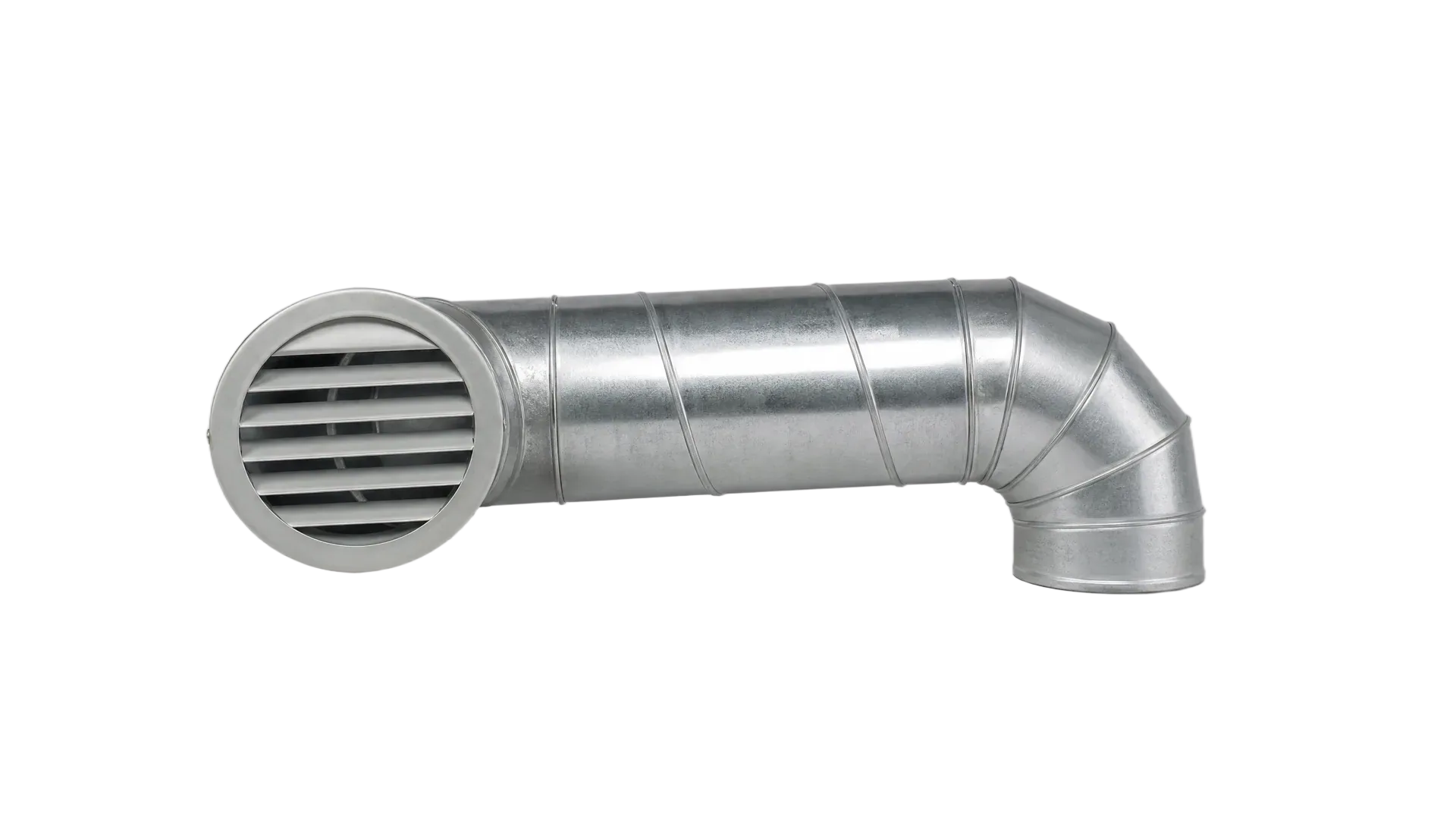
How often should I get my air ducts cleaned in Florida?
You keep an eye on small problems before they become big ones, so it makes sense to wonder about your ducts even if nothing seems wrong. Florida summers run the AC hard for months, and that system is pulling air through those ducts the whole time. You want a number, not a vague rule, so you know whether this is something to schedule now or something that can wait.
Every 3 to 5 years, sooner if you notice dust, mold smell, or weak airflow
Most homes do fine with duct cleaning every 3 to 5 years. Florida's humidity is the reason to watch the shorter end of that range. Moisture in the air gives mold and mildew a place to grow inside ducts, especially where condensation collects near the AC's coil or in a duct run that stays damp. If your system runs most of the year to keep up with the heat, it's also moving more air, and more dust, through those same ducts. A musty smell when the AC kicks on, visible dust around vents, or rooms that don't cool evenly are signs to move the cleaning up rather than wait out the full five years.




Set Schedule or Wait for Signs
Clean on schedule
- Set a fixed interval, often every two to three years, so it happens before you notice any problem.
- A contractor can inspect while cleaning and catch a loose connection or crushed duct early.
- Humid Florida air makes ducts more likely to hold moisture, so regular cleaning keeps ahead of that.
- You avoid the guesswork of deciding month to month whether it's time.
- It costs the same whether or not anything looks wrong, since you're not reacting to a symptom.
Clean when signs show up
- You wait for a reason: dust around the vents, a musty smell when the AC kicks on, or a room that never cools right.
- This avoids paying for a cleaning before anything in the system actually needs it.
- Visible mold around a vent or inside the return is a clear signal, not something you'd guess at.
- A spike in dust on surfaces right after the AC runs is worth paying attention to.
- You risk letting a small issue, like a bit of mold, spread through the duct run before you act on it.
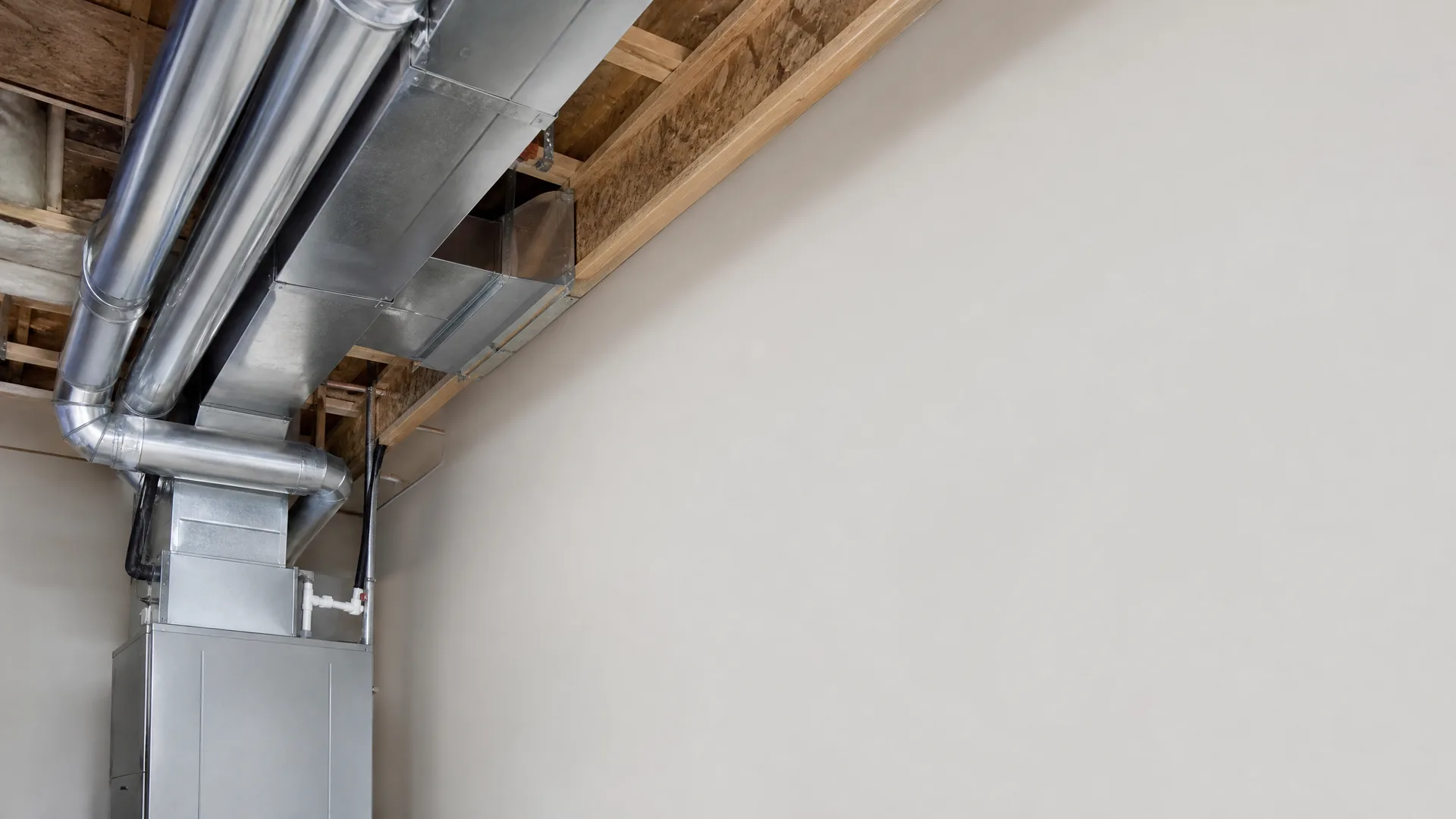
Why humidity changes the math
Florida's air carries more moisture than most places, and that moisture moves through your ductwork along with the cooled air. Any dust sitting in the duct can hold onto that moisture, and damp dust is what mold needs to take hold. A duct system in a drier climate can go longer between cleanings for this reason alone. Humidity is the detail that shortens the interval here.
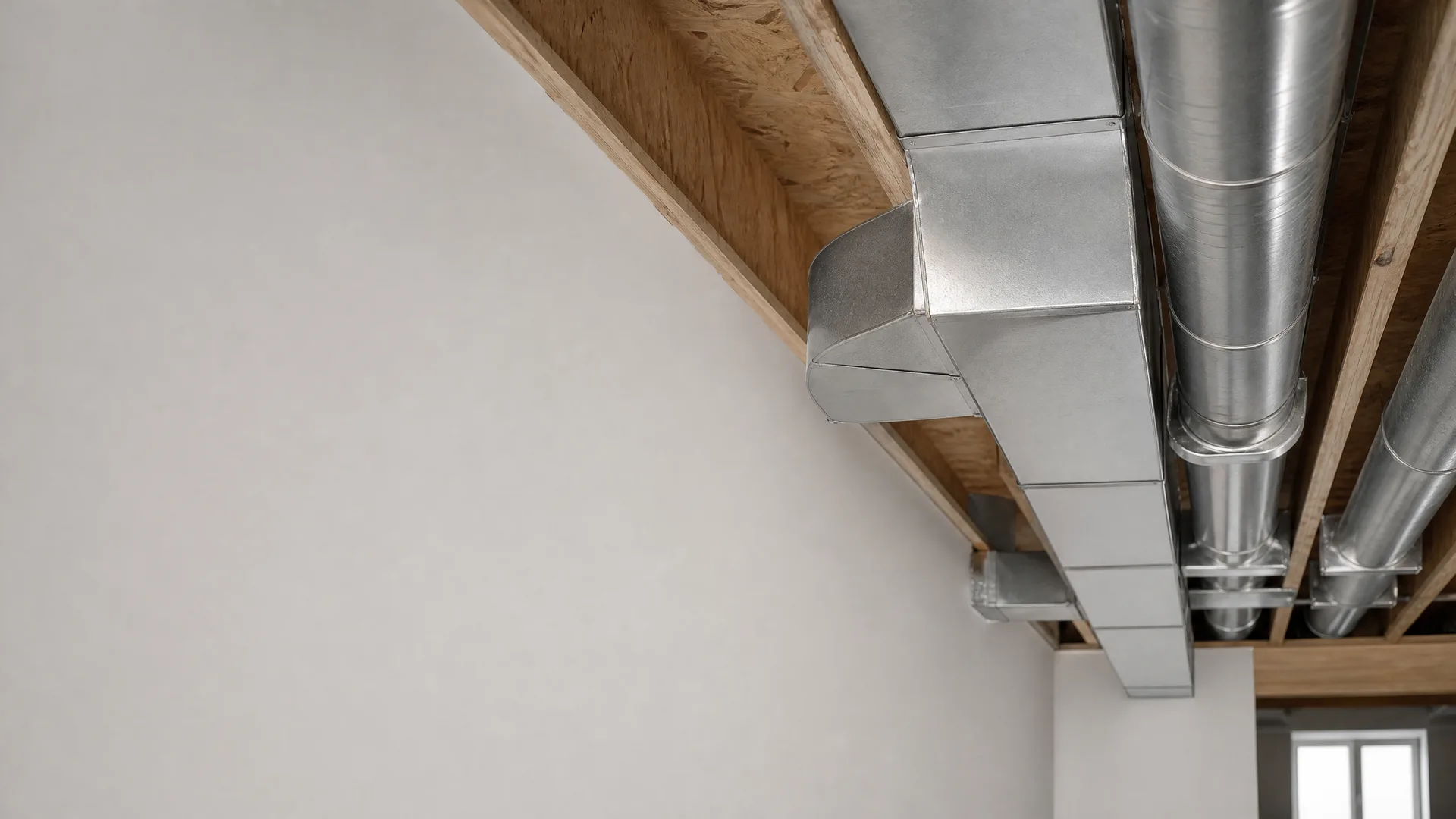
What a cleaning actually removes
A contractor cleaning your ducts is clearing dust, pet hair, and any mold growth off the interior surfaces and out of the vent boots. None of that burns fuel or wears down a motor, so cleaning will not lower your power bill or extend the life of your AC. What it does is improve the air moving through your home and make it easier to spot a problem early, like standing water in a duct section or a loose seam letting humid attic air in.
Why does my house feel dustier than it used to
Dust that collects faster than usual, a musty smell when the AC first kicks on, or rooms that stay stuffy even with the system running are the usual signs. Some people notice it in allergies that flare up indoors, which is a clue the air moving through the house isn't as clean as it should be. A vent that blows weaker than the others can mean buildup inside that duct run. None of this means something is badly wrong, but left alone, dust and moisture sitting in the ducts give mold a place to grow, and that affects the air every person in the house breathes, not just the one room.


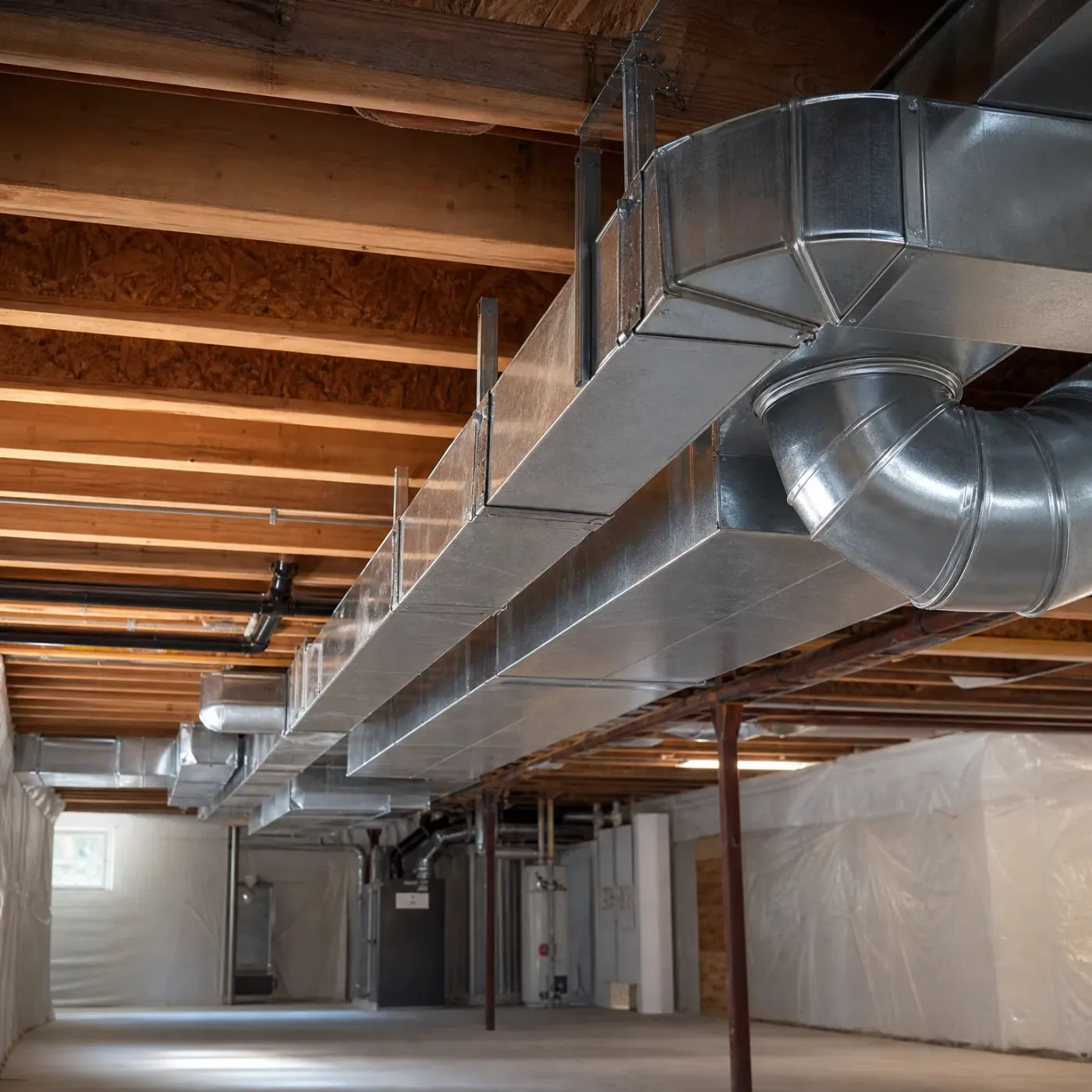
A pro who works on ducts
Describe your ductwork job once, to one pro.
Your duct cleaning request goes to a local pro who does this work.
You're not committing to anything by asking.



It's late April, early afternoon, sun coming in flat across the living room. You're on the couch and happen to look up at the ceiling vent. The grille is gray along the slats, a soft fuzz of it, thicker than you remembered. You run a finger along the side table and it comes up dull. The AC kicks on somewhere in the wall and a minute later you feel the air moving, but the dust on the grille doesn't move with it. It just sits there, same as yesterday, same as it'll be tomorrow unless somebody gets up there with a brush and a vacuum.
Power costs 15.21 cents per kilowatt-hour statewide
At 15.21 cents a kilowatt-hour, every hour your AC runs costs something, and clogged ducts make the blower work harder to push air through the same house. Clean ducts don't fight the system, so the power you pay for goes into cooling your rooms instead of fighting dust.
EIA-861 2025 statewide residential average
Skip a cycle because nothing seems wrong, and you're betting the ducts are fine on no more than a guess. If dust or moisture has been building quietly, you won't know until the air or the bill tells you.
Call a contractor out to look instead, and someone who does this for a living tells you what's actually in your ducts. You get an answer built on what's there, not on how long it's been since the last cleaning.


Every two to three years, with a look in between if the air smells musty or the vents look gray. That's the answer, and nothing about Florida's humidity or your electric bill changes it, it just means the interval matters more here than it would somewhere drier. What changes when you act on it is the part that usually wears people down: finding someone qualified to do it. Instead of searching for duct cleaners, calling a few, explaining the gray vents and the musty smell more than once, then sitting with quotes trying to tell them apart, you answer a short set of questions once and a contractor who handles this work in your area follows up with you directly. The ducts still need the same service either way. What you skip is the legwork of finding who does it.

Get your ductwork to the right pro
Fill out one short form instead of calling around.