Ducts running clean
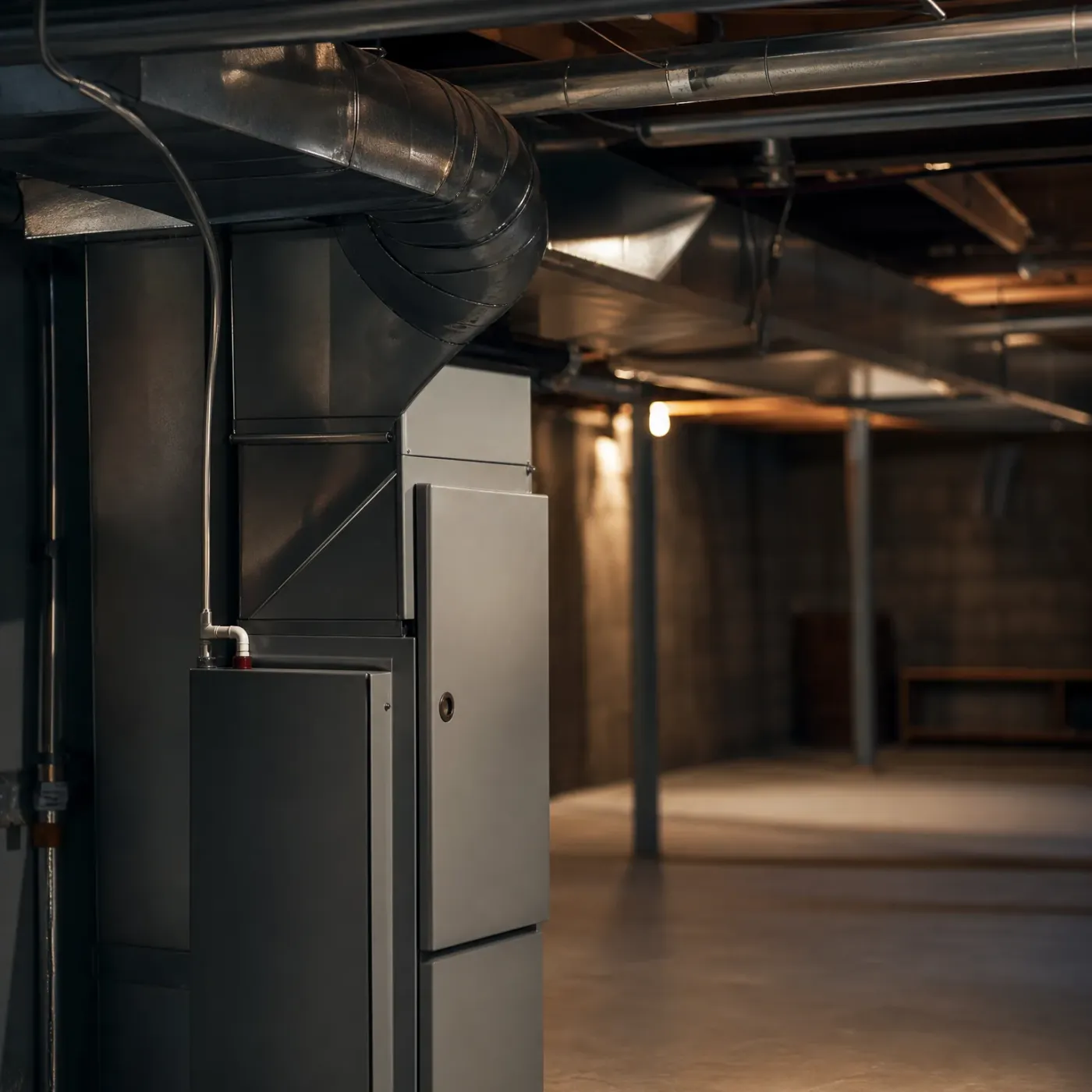
Metal and flex ducts like these move air without adding anything to it. No dust ring at the seams, no film on the metal. Air comes out of the vent the same as it went in.
Let someone else find the pro
Florida humidity gives ducts a lot to collect, so it's fair to ask whether cleaning them actually does anything. The answer depends on what's really in your ducts and what your system needs to run right. Once you send a request, finding the right person to look at it is off your plate.
Let a pro reach outDuct cleaning is worth it in Florida when there's a real reason for it, not on a fixed schedule. The humidity here means ducts can collect more than dust. Musty smells when the system kicks on, visible mold around vents, or dust that resettles fast after cleaning are signs worth checking. So is a system that's run harder than it should, since blocked ducts make your air handler work to push air through, which shows up on your power bill. If none of that applies, cleaning likely won't change how your home feels or what you pay to cool it. The ducts don't heat or cool the air; they carry it, and the filter is what keeps it clean. A contractor who looks inside your ducts can tell you whether what's in there is actually a problem or just normal buildup that isn't worth paying to remove.

Metal and flex ducts like these move air without adding anything to it. No dust ring at the seams, no film on the metal. Air comes out of the vent the same as it went in.

This is what builds up when moisture and dust settle in the duct over time. That coating can flake loose into the airflow, and in a humid crawl space it's the kind of surface mold can grow on.
You keep your AC running most of the summer, and you've probably noticed the air feels damp even when the system's on. You're wondering how mold actually ends up inside the ducts themselves, since the air inside your home doesn't look wet. It helps to know what's happening inside that metal and flex that you can't see, especially with Florida humidity pushing moisture into places it can collect.
Your air handler's coil pulls moisture out of the air every time it runs, and some of that moisture rides along in the air stream heading into the ducts. In a Florida summer, that happens for hours at a stretch, day after day. If there's dust sitting in the duct already, that moisture gives mold something to grow on. A duct that stays dry never has this problem no matter how dusty it gets. It's the combination, the standing dust plus the humidity off the coil, that starts it. Leaky duct seams make it worse, since they pull in humid attic or crawlspace air on top of what's already moving through from the coil.


A tech opens access points cut into the main trunk line.
A vacuum collar seals to the trunk and pulls negative pressure.
Brushes or air whips knock debris loose inside each branch.
Loosened dust and buildup travel to the vacuum collection tank.
Maybe you caught a musty smell right when the AC kicked on, or you dusted a shelf and it looked the same two days later. Maybe you pulled a vent cover off and saw a dark ring around the edge. In Florida these are worth paying attention to, since the humidity your system fights all summer gives mold a place to take hold once it gets past the coil. A vent that stays damp or a closet that smells off even with the AC running is usually the duct system telling you something, not the house itself. Left alone, that moisture problem doesn't stay contained to the ducts. It can spread to what's touching them.



Your request stays with one local pro.
After this form, you can stop searching for a duct system pro.
It costs nothing to send, and you don't have to hire anyone.
At 15.21 cents a kilowatt-hour, your AC is already working harder than most systems have to, running against the humidity all summer. Dirty ducts make it push air through buildup instead of clean runs, so the system stretches longer to cool the same rooms. Clear ducts mean that electricity goes to cooling your house, not fighting its own ductwork.
EIA-861 2025 statewide residential average
A clogged filter is one of the most common reasons ducts end up dirty in the first place. Once airflow is restricted, the system pulls harder, and finer dust gets past the filter edges and settles inside the trunk and branch lines instead of staying caught where it belongs. In a Florida system running most of the summer, that's a lot of hours for dust to find its way past a filter that's overdue. Checking the filter is the first thing worth doing before you assume the ducts themselves are the problem, since a fresh filter alone solves a lot of what gets blamed on dirty ductwork.
A duct system with gaps at the seams pulls in air from attics and crawlspaces instead of just the rooms it's meant to serve. In Florida that means pulling in warm, humid air straight into the supply side, which adds moisture load right where the system is trying to keep air dry and cool. Sealed connections keep that humid air out and keep the system moving only the air it already cooled. A cleaning only clears what's already built up. It doesn't stop new growth if the ducts are still drawing in moisture through open seams, so the two problems get solved separately.


So is it worth it. In Florida, yes, when the ducts are actually showing you something is wrong. A musty smell when the air kicks on, a dark ring at the vent, dust that comes right back after you wipe it down. Those are real signs, and they usually mean there's something inside the ducts feeding the problem rather than a one-time mess. Before any of that, the filter is worth a look, since a clogged one is what lets fine dust past its edges and into the trunk and branch lines in the first place. Where the ducts run matters too. Metal and flex runs sealed up tight just move air and don't hold onto anything. Open joists and exposed wiring near ductwork give humidity a place to sit, and that's where mold gets a foothold. If cleaning gets done and the dust is back in a day or two, that's not a failed job, it's a sign something upstream is still feeding the ducts. And a system working harder than it should, pushing air through buildup instead of a clear path, runs longer than it needs to and that shows up on your bill every month. None of this is guesswork once someone's looking at your actual ducts. A local contractor who handles Florida systems all summer has seen which of these signs mean something and which ones don't, and that's the read you want before deciding anything.




Done looking for a duct system pro
Your duct cleaning request goes to one local pro.