How often to clean a dryer vent in West Palm Beach, FL

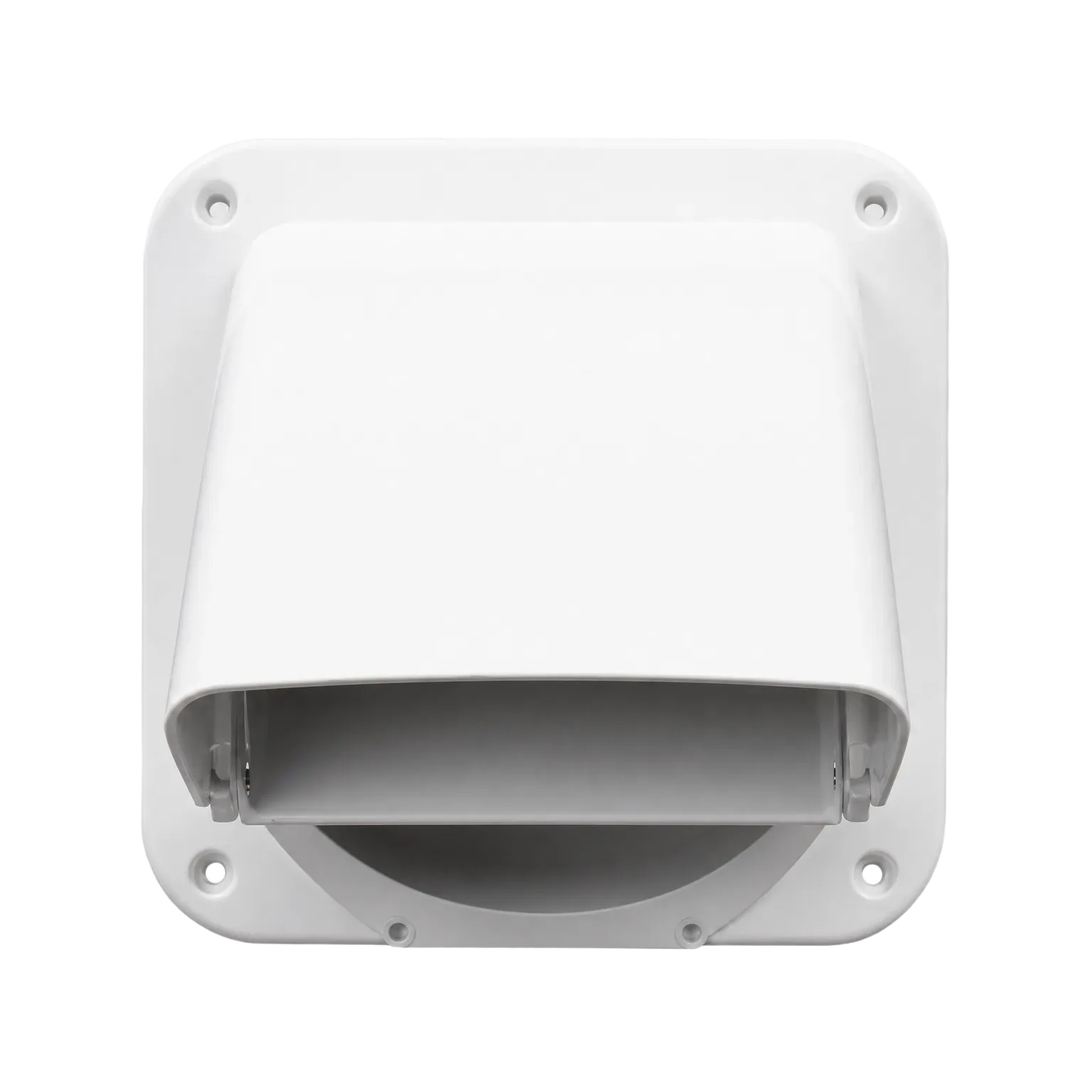
A white plastic wall vent with a square mounting flange, hooded cover, and round duct collar visible beneath, shown against a plain light gray background.
Find a pro near me

Clean your dryer vent once a year. That's the standard most manufacturers and fire officials recommend, and it holds true in West Palm Beach as much as anywhere. Lint builds up inside the vent every time you run a load, and over a year it narrows the path hot air needs to escape. A once-a-year cleaning keeps that path clear. The muggy air here adds to the problem. Humidity lets lint hold moisture and pack down inside the duct instead of staying loose, so it collects faster and sticks harder than it would somewhere dry. If you run your dryer several times a week, or notice clothes taking longer to dry, or feel the outside vent hood barely pushing air when the dryer runs, that's a sign to move the cleaning up rather than wait out the year. A clear vent means shorter drying times, a dryer that isn't working harder than it should, and less lint sitting where it can catch heat.

What does your household actually mean for vent cleaning?

  • 2.49 people per household on average

    With 2.49 people in the average Palm Beach County household, that's a few loads a week for most homes. Each one pushes more lint through the vent, so the yearly cleaning has real work to do by the time it comes around.

  • Half the homes here were built by 1986

    Half the homes in Palm Beach County were built in 1986 or earlier. A vent that old has had decades of lint moving through it, and the duct run or the connections may not match what's installed in newer houses.

  • Power here costs 14.54 cents per kilowatt-hour

    At 14.54 cents per kilowatt-hour, power here runs about average. A dryer working against a lint-clogged vent still uses the electricity either way, it just takes longer to get clothes dry.

ACS 2020-2024 · EIA-861 2025

Running the dryer more than most

Some households run the dryer almost daily: a bigger family, a home that hangs nothing out to dry in the humidity, towels and sheets washed often. If that sounds like your house, don't wait the full year. Check the vent at the six month mark, especially heading into the humid stretch when the dryer already has to work harder to push air through damp outside conditions. A vent that's already narrowing with lint makes that job harder still, and it shows up as longer dry times before anything else does.

A lighter load than average

A single person or a couple who dries a load or two a week puts far less lint through the vent over a year. The once a year cleaning still applies, since lint sits in the vent whether you ran the dryer twice a week or every day, but you're less likely to need anything sooner. If your dryer is drying on the first cycle and the outside vent hood flap moves freely when it runs, that's a sign the vent is still clear and the yearly schedule is doing its job.

An older man with gray hair and a beard stands in a doorway of a home, wearing a dark coat dusted with snow, with a lit fireplace and lamp visible in the blurred room behind him.
A bearded older man in a dark snow-dusted coat and scarf stands just inside a home's front door, with a lamp-lit room and snowy window visible behind him.
An older man with gray hair and a beard wearing a dark snow-dusted coat stands in a home entryway, with a lamp-lit living room and a wooden staircase behind him.
An older man with gray hair, a dark coat and scarf dusted with snow stands in a warmly lit entryway with an open wooden door, a table lamp, framed pictures, and a plant in a vase.

A dryer vent doesn't clog evenly. Lint catches first at the bends, at the hood flap outside, anywhere the airflow slows down, so those spots choke off long before the straight runs do.

That's why a vent can look fine at the dryer and still be nearly closed off a few feet further down, and why a once-a-year cleaning checks the whole run, not just the end you can see.

A woman wrapped in a dark knitted blanket sits in an armchair with an open book in her lap, beside a lit table lamp and a frosted window.
An older woman in a cream knit sweater smiles while looking off-camera in a warmly lit kitchen, with a round loaf of bread on a wooden board in the foreground and a dark window behind her.
A white louvered dryer vent hood mounted with four screws on beige horizontal lap siding above a gray stucco foundation and concrete walkway.

Vent clear and venting

This is what a clean vent hood looks like. The louvers hang loose and open all the way when the dryer kicks on, and air pushes out fast enough that you can feel it from a few feet away. A load dries in one cycle, and the hood stays free of buildup.

A white plastic dryer vent hood mounted on beige horizontal vinyl siding, with lint clogging its lower opening and a concrete foundation below.

Vent clogged with lint

Lint has packed the opening solid, and the louvers can't push past it. Air backs up the whole length of the vent instead of venting outside, so loads take two or three cycles and the dryer runs hotter than it should. This is what an overdue cleaning looks like from outside.

Vent Shape Changes the Schedule

Vent run is short and straight

  • Air has less distance to travel, so lint has fewer chances to settle before it clears the hood.
  • A once-a-year cleaning usually keeps pace, since there's less surface for lint to catch on along the way.
  • If the vent goes straight out an exterior wall with no turns, this is probably your setup.
  • Drying times stay consistent load to load, which is a sign the path is staying open between cleanings.

Vent run is long or has bends

  • Every elbow is a spot where lint slows down and builds up, so more bends means more places to check.
  • A run that travels through the attic or snakes between floors clogs faster than a short, straight one.
  • If you've noticed loads taking longer to dry lately, a long or bent run is often why.
  • These setups hold up better on a schedule tighter than once a year, since the full length can't be seen or felt from either end.
A white hooded dryer vent with a louvered grille screwed to beige horizontal lap siding above a lighter foundation wall.

Hood flap moving freely

When the dryer runs, this flap should swing open and stay open until the cycle ends. Air pushes out steady against the mesh, and the screws holding the hood stay free of any buildup around the edges.

A wall-mounted plastic dryer vent hood on light-colored horizontal vinyl siding, clogged with lint and debris hanging from its opening, above a gray painted foundation.

Hood packed with lint

Lint has built up across the whole opening here, along with debris that looks like nesting material. Air can't push past that, so the dryer runs longer and the hood traps heat and moisture against the siding.

A white plastic hooded dryer vent with a louvered grille mounted on horizontal vinyl siding above a textured concrete foundation wall.
Before you get your dryer vent cleaning
A white plastic hooded dryer vent with a mesh screen, fastened by four screws to beige horizontal lap siding above a concrete foundation wall.
After you get your dryer vent cleaning

Get your dryer vent to the right pro

A licensed pro who works in Palm Beach County gets your request.

Asking costs nothing, and the choice to hire stays yours.

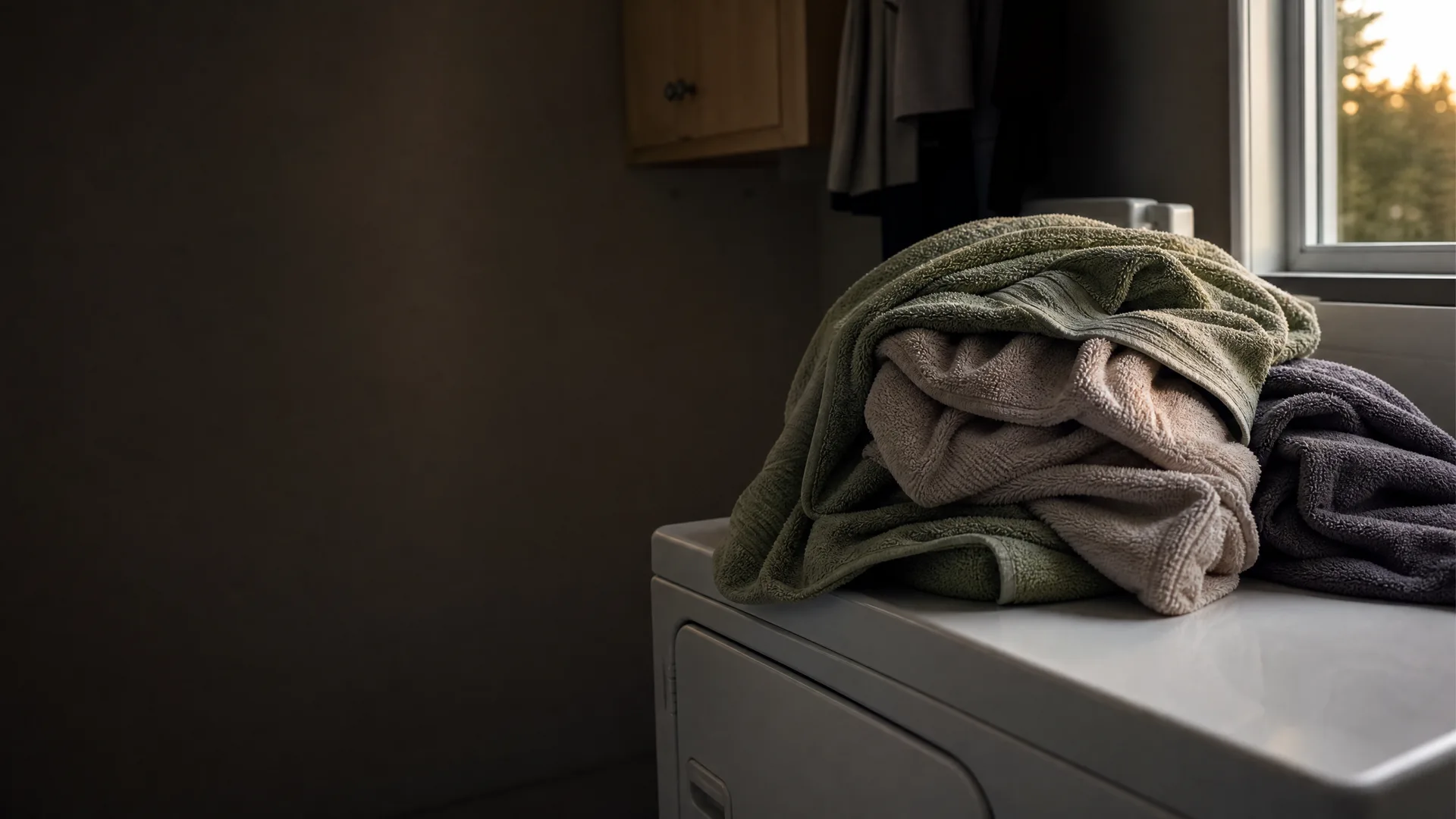
A pile of folded green, beige, and gray towels sits on top of a white washer or dryer in a dim room beside a window with trees outside.

It's almost nine on a Tuesday and you still need the towels for tomorrow. You pull them out of the dryer and they're warm but not dry, damp enough that you run your hand over one and feel it right away. You load them back in, add twenty minutes, and go check on the kids. When you come back the pile is sitting on top of the machine again, barely better than before. The laundry room feels warmer than it should, almost sticky the way it gets outside in a Palm Beach County summer. You open the dryer door and the lint trap looks fine, so you're not sure what's wrong. The towels stay in a heap while you decide whether to run it a third time.

Why is the dryer taking longer to dry a load?

A dryer that used to finish in one cycle and now needs two is telling you something about the vent, not the machine. You might notice the top of the dryer feels hot to the touch, or the laundry room warms up while it runs. The lint trap looks clean, but lint has caught further down the line where you can't see it. Clothes come out hotter than they should and still a little damp at the seams. Some households notice the smell first, a faint burnt dust smell when the dryer has been running a while. Left alone, the lint keeps the dryer running hotter and longer than it was built for, and that's the condition that leads to dryer fires.

  1. Lint builds up fastest at the hood flap and every bend in the run.

  2. Buildup narrows the vent and slows the air pushing out.

  3. The dryer runs longer each load to force air through.

  4. Heat and moisture back up inside the duct instead of venting outside.

A woman stands in the open front doorway of a single-story house with a covered porch, stone column bases and a dormer window, facing a man in a dark cap and gray polo shirt seen from behind in the foreground.

What a clogged vent costs your house

A dryer that runs two cycles instead of one is burning power the whole time, and since most homes here run on electric heat, that cost shows up on the same bill every month, not just in winter. The damp heat has to go somewhere, too. In a laundry room that doesn't get much airflow to begin with, that moisture sits in the room and in whatever's stored nearby.

There's also the part you can't see from the laundry room. Lint is what burns in a dryer fire, and it collects fastest in the hood and the bends, the exact spots you can't check by looking at the lint trap. If it's been a year or longer, or you don't know when it was last done, a local contractor who services vents all season can look at your specific setup, the length of your run, the number of bends, and tell you what it actually needs. You'd be matched with one contractor for that, not a handful calling you back at once.

A dark ceramic vase holding a leafy green branch sits on a round wooden table, with a blurred cushioned wooden armchair, woven basket, window and shelving with pottery in the background.

2.49 people per household on average

At 2.49 people, most houses here run three or four loads a week, not a daily parade of towels. That's steady enough for lint to build up right on schedule, which is why the once-a-year cleaning lines up with how your household actually uses the dryer.

ACS 2020-2024

Where That Leaves Your Vent

  • Once a year clears a dryer vent in West Palm Beach for most households running a normal load schedule.
  • Run more loads than average, or vent through a long or bent duct run, and the vent needs a look before the year is up.
  • A clean hood flap that swings open freely and a load that dries in one cycle both tell you the vent is doing its job.
  • A local contractor who clears vents in this area all year knows where lint builds up first and checks those spots.
  • Matching you with one licensed local contractor means a single call back, not a string of competing bids.

A year is the mark to work from, and now you know what pushes you off it. A normal load schedule holds to that calendar. A longer duct run, more bends, or a dryer that runs most days moves the date up. You don't have to guess which one you are. The dryer tells you, in how long a load takes and whether the hood flap swings open the way it should.

When it's time to call someone, who you call matters as much as when. Vent work in West Palm Beach isn't the same job everywhere in the house. A contractor who works this area through the full year, muggy summer and mild winter both, has already seen where lint sits first in homes like yours, at the bends and the hood, and knows what a bad vent looks like before it fails completely. That's not a guess on their part. It's the kind of thing you only know from doing the work here, over and over, season after season.

Getting matched with a contractor means one person looks at your vent, not several companies working you for the same job. You get a single point of contact, someone local who shows up knowing the area and the kind of runs houses here tend to have. No juggling callbacks, no comparing strangers. Just one licensed contractor who's done this before, looking at your vent with a clear sense of what to check first.

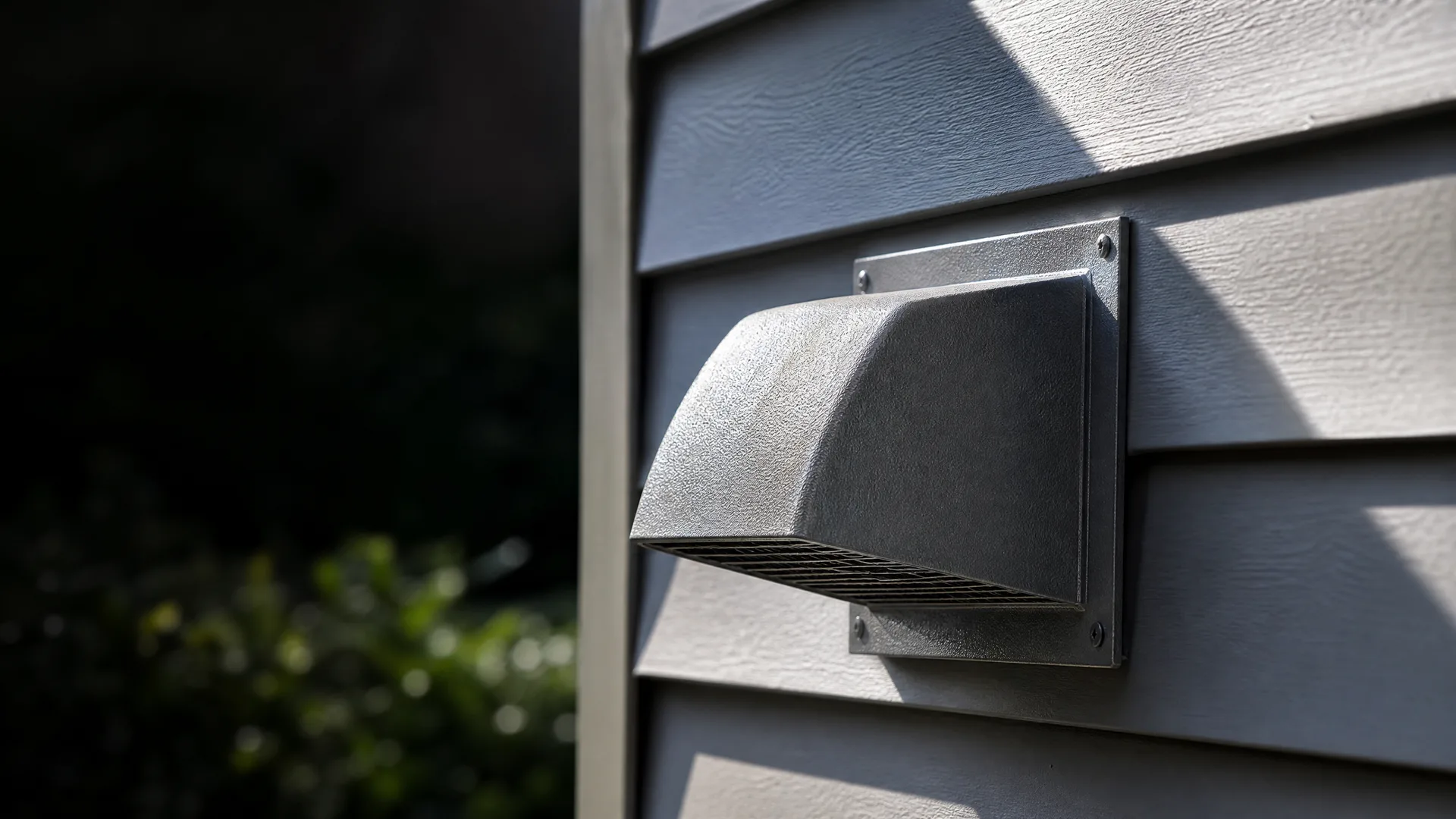
A metal hooded wall vent with a louvered opening mounted on gray horizontal lap siding, with green shrubbery blurred in the dark background.

Find a dryer vent cleaning pro in Palm Beach County

Duct and vent cleaningPalm Beach County, FL
Step 1 of 3

What kind of equipment?