Vent cap sitting open
This is what a clear vent looks like. The louvers hang loose and move with the airflow when the dryer runs. Air and lint pass through and out, so heat doesn't collect behind the wall.
 Find my pro
Your request goes to a Broward County pro who takes dryer vent jobs.
Yes. A clogged dryer vent is one of the more common causes of house fires, and it's a real risk here, not a theoretical one. Lint builds up inside the vent line every time you run a load. Once it's thick enough, it blocks airflow, the dryer runs hotter than it should, and that heat has nowhere to go but back into the vent and the wall around it.
Summers in Fort Lauderdale run long and muggy, which means the air coming into your dryer is already carrying more moisture than it would somewhere drier. Wet air takes longer to push through a vent that's already restricted, so your dryer works harder and runs longer to finish a load. That extra runtime means more heat sitting in a line that isn't venting it out the way it was built to.
If you haven't had the vent checked since the house was built or since you moved in, there's no way to know how much lint is sitting in that line right now. You can't see most of the vent run, and a dryer that still dries clothes can still have a dangerous amount of buildup behind the wall.
Getting it cleaned means finding someone who actually does this work, not just general duct cleaning, confirming they can access your specific vent setup, and getting a straight answer on when they can come out. That's the part that eats an afternoon of phone calls.
Answer a few questions about your home and your dryer setup, and you'll be matched with a contractor who handles vent cleaning in your area. They'll reach out to you directly to sort out timing and specifics, so you're not the one chasing down quotes or explaining your situation from scratch to three different companies.
Yes, a clogged dryer vent is a real fire risk, and Fort Lauderdale's climate makes it worse. Lint builds up inside the vent line with every load you run. Once airflow is blocked, the dryer has to work harder and runs hotter, and that heat has nowhere to go. The lint itself is the fuel. Add in the humidity here, and damp lint can cling to the inside of the duct instead of blowing clear, building up faster than it would somewhere dry. A vent that's clogged also makes your dryer take longer to dry a load, which is often the first sign something's wrong before it becomes a hazard. If you've noticed your laundry room getting hot while the dryer runs, or clothes coming out hotter than usual, that's the vent telling you it can't move air the way it should. The fix is getting the line cleared out, not just the lint trap.


2.6 people per household on average
Broward households run 2.6 people on average, so most dryers here are running loads several times a week, not once in a while. More loads means lint builds up faster.
Half the homes here were built by 1980
Half the homes in Broward County were built in 1980 or earlier. Older houses often mean longer, more bent vent runs between the dryer and the outside wall, which gives lint more places to pile up.
Power here costs 14.62 cents per kilowatt-hour
Power here runs 14.62 cents per kilowatt-hour, close to the national average. A dryer fighting a clogged vent still draws that power while it works harder and takes longer to dry a load.
ACS 2020-2024 · EIA-861 2025
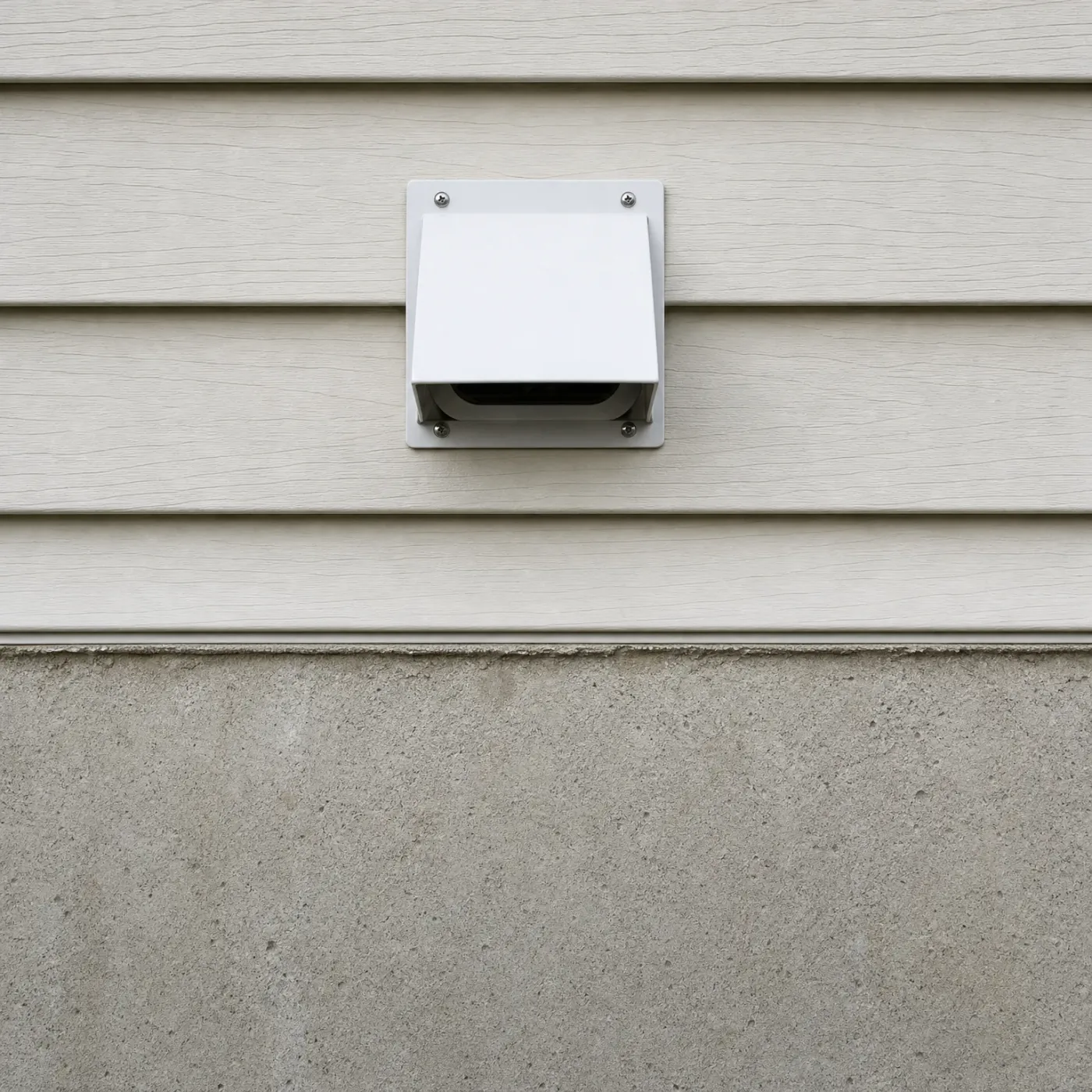
This is what a clear vent looks like. The louvers hang loose and move with the airflow when the dryer runs. Air and lint pass through and out, so heat doesn't collect behind the wall.
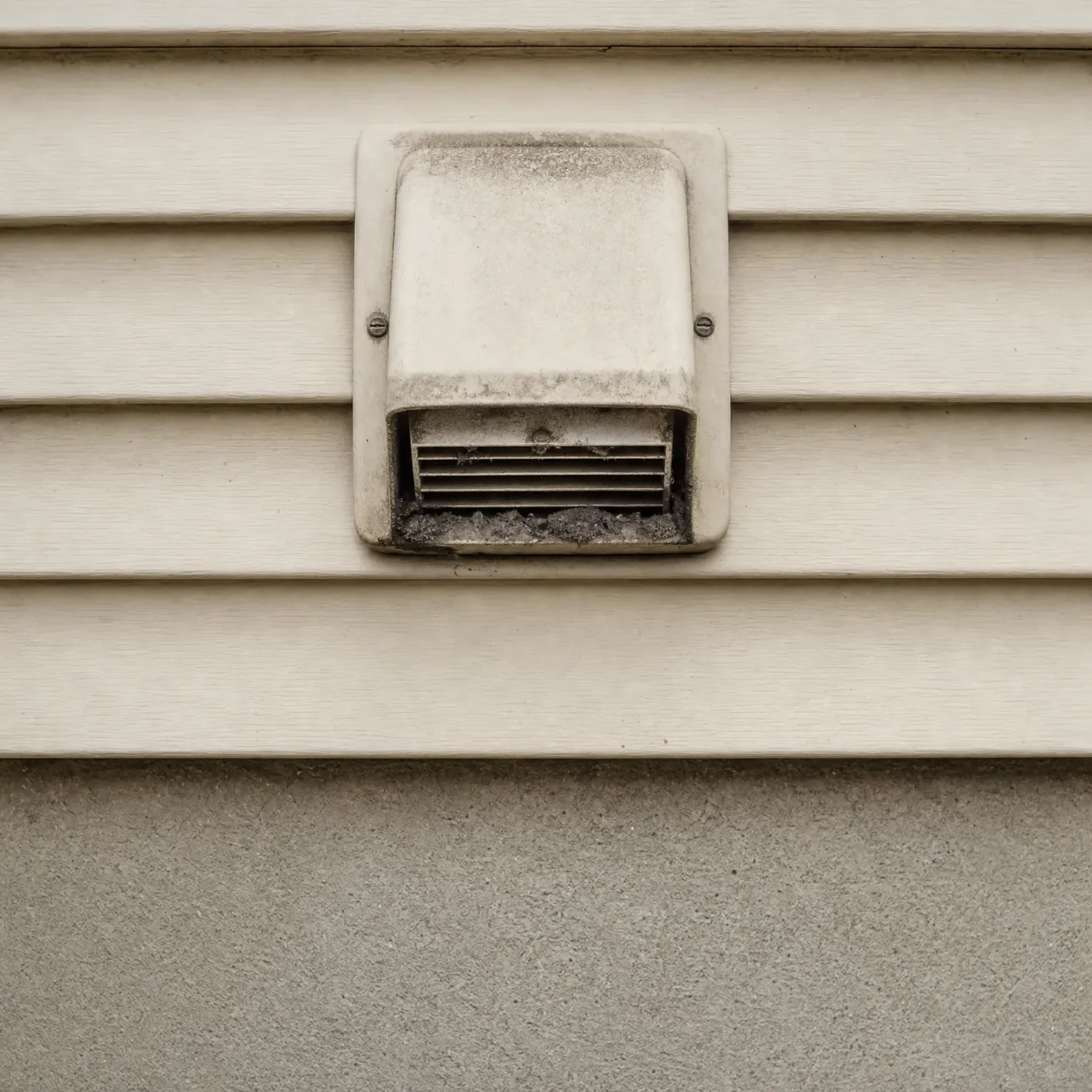
Here the louvers are matted shut with lint and dust. Air can't push past it, so heat and moist air back up into the vent line behind the siding. That trapped heat is what starts a fire.

It's almost nine on a Tuesday and you still haven't moved the towels. They've been sitting on top of the dryer since the cycle ended over an hour ago, still damp, heavier than they should be. You ran them twice already. The laundry room is warmer than the rest of the house, warm enough that you noticed it walking past with a basket. You open the dryer door and feel the heat coming off the drum, more than a load of towels should put out. You pick one up, press it to your cheek. Still wet at the fold. You set it back down on the pile and stand there a second, not sure if you should run it again or just let them sit until morning.
You've read enough by now to know this isn't something to put off. A dryer that's running hot, taking two cycles to dry a load of towels, or leaving the laundry room warmer than the rest of the house is telling you the vent is blocked, and every load after that pushes more heat into a space that can't release it. Finding someone to clear it usually means searching around, calling a few places, explaining the same problem more than once, then sitting with quotes trying to figure out who actually does this work well. You don't have to do any of that here. Answer a few questions about your dryer and your vent setup, and that goes to a contractor near Fort Lauderdale who handles this kind of job, and they'll reach out to you directly. One request, one contractor, no calling around while that heat keeps building behind the wall.
Lint is made of dry, fine cotton and synthetic fibers, and it packs itself into a loose mat inside the vent line. That mat catches a spark or enough heat far more easily than a solid piece of wood or plastic would, because air moves through it and feeds a flame once one starts. A dryer's heating element sits right at the start of that line, so the fuel and the heat source end up a few feet apart with nothing but ductwork between them. Most vent fires start right there, at the point where the lint has built up thickest.
A dryer vent has one job: carry hot, moist air from the drum straight outside. It isn't a filter and it isn't meant to trap anything, that's what the lint screen in the door is for. When the line is clear, the air makes it outside in seconds and takes the heat with it. When lint collects along the walls of the duct, the line narrows, air slows down, and the heat the dryer generates stays inside the ducting longer instead of venting away immediately after each load.
With close to three people in a typical Broward household, the washer is rarely idle. A house that size is running the dryer most days of the week, which means lint is collecting in the vent line that much faster and the clog you can't see builds up sooner than you'd expect.
ACS 2020-2024
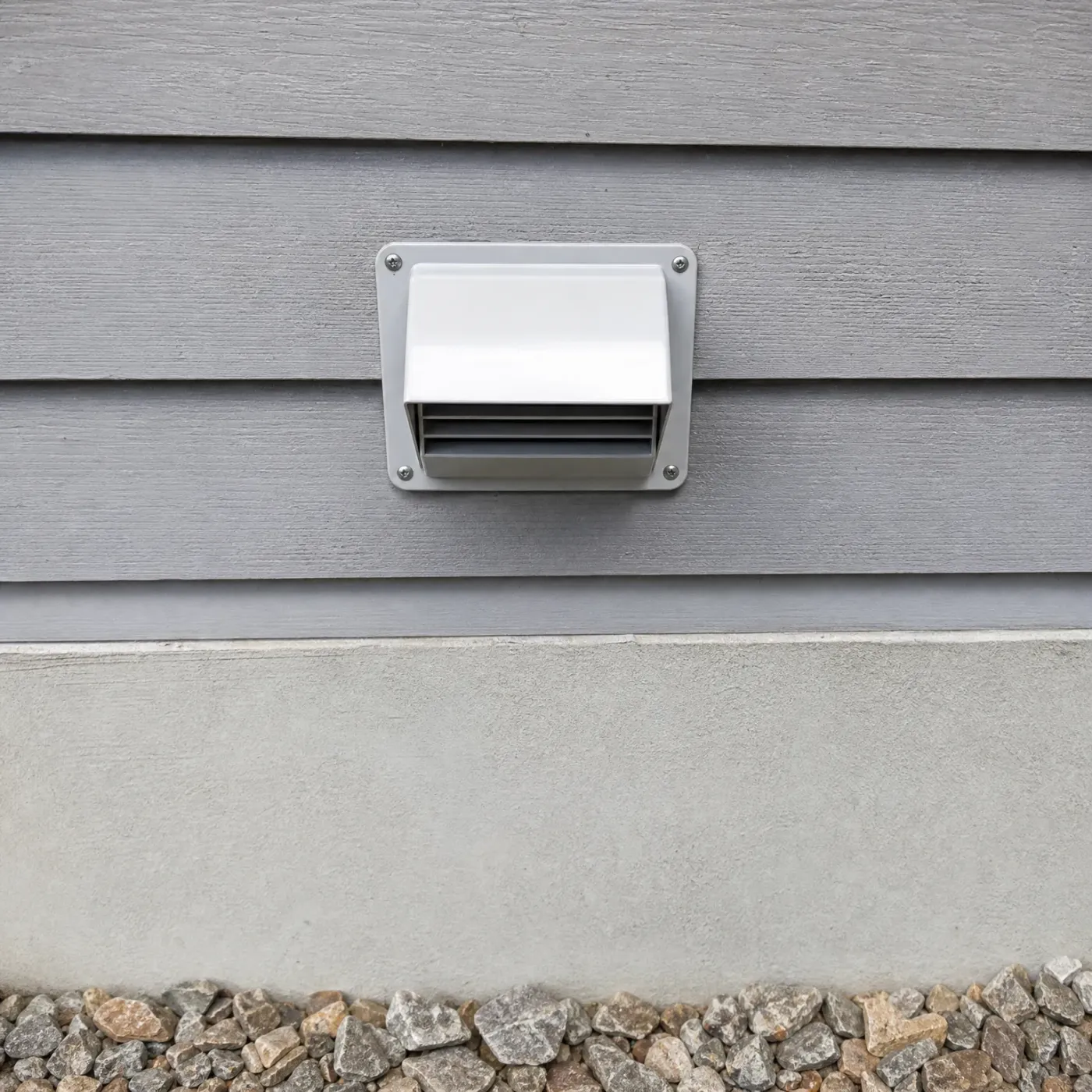
This is what the vent hood should look like. The louvers hang loose and swing open when the dryer runs, so air and lint pass through and out. Nothing collects behind the wall, and the dryer isn't fighting to push air anywhere.
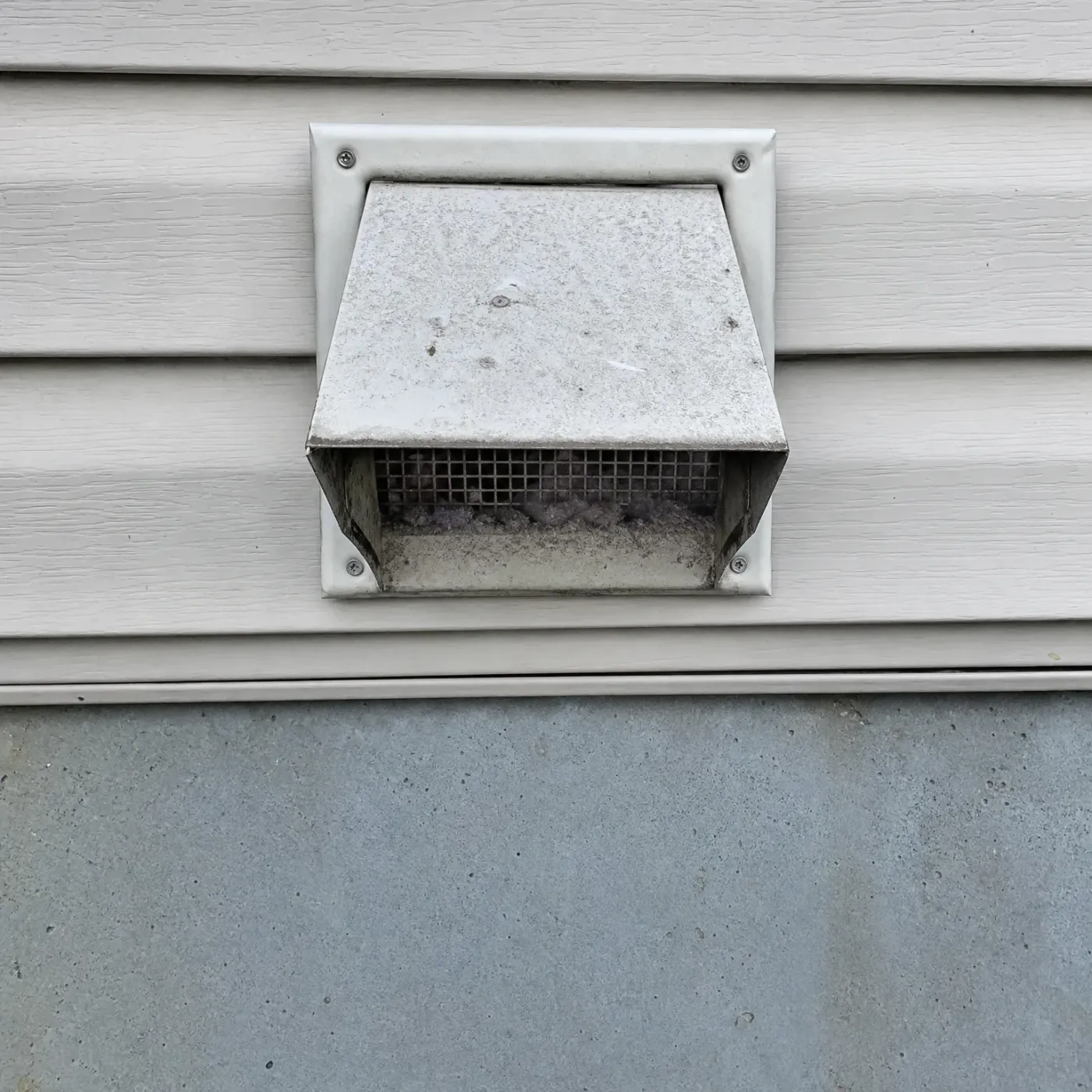
Here the cap and screen are coated in lint, and the louvers can't swing open anymore. Air backs up into the duct instead of venting outside, so heat builds up behind the wall with every load you run.

The answer is yes. Lint collects in the vent line every time you dry a load, and once it blocks airflow the dryer runs hotter with nowhere for that heat to go. That's the mechanism behind a real share of house fires, and nothing about running a dryer in Fort Lauderdale changes it. A warm laundry room, a load that takes two cycles, a vent hood with louvers that won't move: those are signs worth acting on, not ignoring.
What you don't have to do is figure this out alone. Finding someone who actually clears vent lines means calling around, describing the same problem more than once, and sorting through quotes that are hard to compare. Tell this page what's going on in your laundry room and you'll be matched with a contractor who handles this kind of job and who will reach out to you directly.





Find a dryer vent cleaning pro in Broward County
Describe your dryer vent job once, to one pro.
