Birds nesting in a dryer vent in Orlando, FL

Answer a few questions about the dryer vent cleaning and skip the search.

Start one form

A bird in your dryer vent usually means a nest built against the flap, blocking it enough that air and lint can no longer push through. The outside hood on a house looks like a sheltered gap to a bird, especially in spring when they're hunting for a safe spot to build, and Orlando's mild winters mean there's rarely a stretch cold enough to keep birds from scouting vents nearly year round. Once a nest is in there, the dryer has to work harder to push air out, your clothes take longer to dry, and the lint that would normally blow outside builds up behind the blockage instead. That's a fire risk, not just a nuisance. The vent needs to be cleared from the hood through to the wall, and if birds have already nested, the vent needs a permanent guard afterward so they can't build there again.

A smiling woman with long brown hair in a dark sweater sits at a light stone kitchen counter with a glass of red wine, with a dimly lit living room in the background.
A smiling woman with dark hair pinned up, wearing a beige sweater, sits looking off to the side in a kitchen with a glass of red wine in front of her, a stainless steel refrigerator, marble counter and a potted plant behind her.
A smiling woman with dark shoulder-length hair in a navy sweater sits at a kitchen counter with a glass of red wine, with a lit living room and pendant lights behind her.
A woman in a dark gray sweater laughs while seated at a white marble counter with a glass of red wine, with a blurred living and dining room behind her.
A white hooded louvered vent mounted on beige horizontal lap siding above a stucco foundation wall bordered by river rock gravel.
A clear flap means the vent can push air outside the way it should, with nothing blocking the opening.
A white plastic hooded dryer vent with a lint-covered screened opening mounted on beige horizontal vinyl siding above a concrete foundation.
A screen packed with lint and nesting debris traps heat and moisture in the duct instead of venting it out.

Why does this matter more for your house?

  • 2.72 people per household on average

    Orange County averages 2.72 people per household, which means a dryer running loads most days of the week, and more chances for a blocked vent to show up as longer dry times before anyone notices.

  • Half the homes here were built by 1994

    Half the homes in Orange County went up in 1994 or earlier, old enough that the vent hood and ducting have likely needed attention before, nesting or otherwise, even if this is the first time it's birds.

  • Power here costs 16.02 cents per kilowatt-hour

    Power here runs 16.02 cents per kilowatt-hour, and a blocked vent makes the dryer run longer to finish each load, so the nest costs you more than the lint it's trapping.

ACS 2020-2024 · EIA-861 2025

A white hooded dryer vent cover mounted on beige horizontal vinyl siding above a concrete foundation wall with gravel at the base.

Vent clear and venting

This hood sits open above the foundation, the duct behind it visible and unobstructed. Air and lint push straight out every time the dryer runs. Nothing nests here because the flap moves freely and gives a bird no foothold to build against.

A square plastic dryer vent hood mounted on light-colored horizontal lap siding above a concrete foundation, with gray lint clogging its screened opening.

Vent packed with debris

Lint and nesting material have filled in around the screen, leaving only a narrow gap for air to escape. Heat and moisture that should vent outside are backing up into the duct instead. From the yard it looks almost the same as the first vent, just duller and more crowded underneath the hood.

Why do birds build nests in the dryer vent in the first place?

Finding a nest in there is unsettling, and it makes sense to wonder why a bird picked that spot over a tree or a gutter. The answer has to do with what a vent hood looks like from the outside and when birds are looking for a place to build.

The hood looks like a ready-made cavity, and spring nesting lines up with when the flap gets left open

A dryer vent hood sits a few inches off the ground or wall, covered on top, open on one side, and quiet most of the day. To a bird scouting a nest site, that reads the same as a hollow in a tree or a gap under eaves. Birds build nests in spring, which is also when a vent flap that already drags or hangs loose from built-up lint is more likely to sit open instead of snapping shut after each cycle. Once a bird carries in a few twigs and settles, the nest itself props the flap open further, and the gap only gets wider for the next bird that comes looking for the same kind of spot.

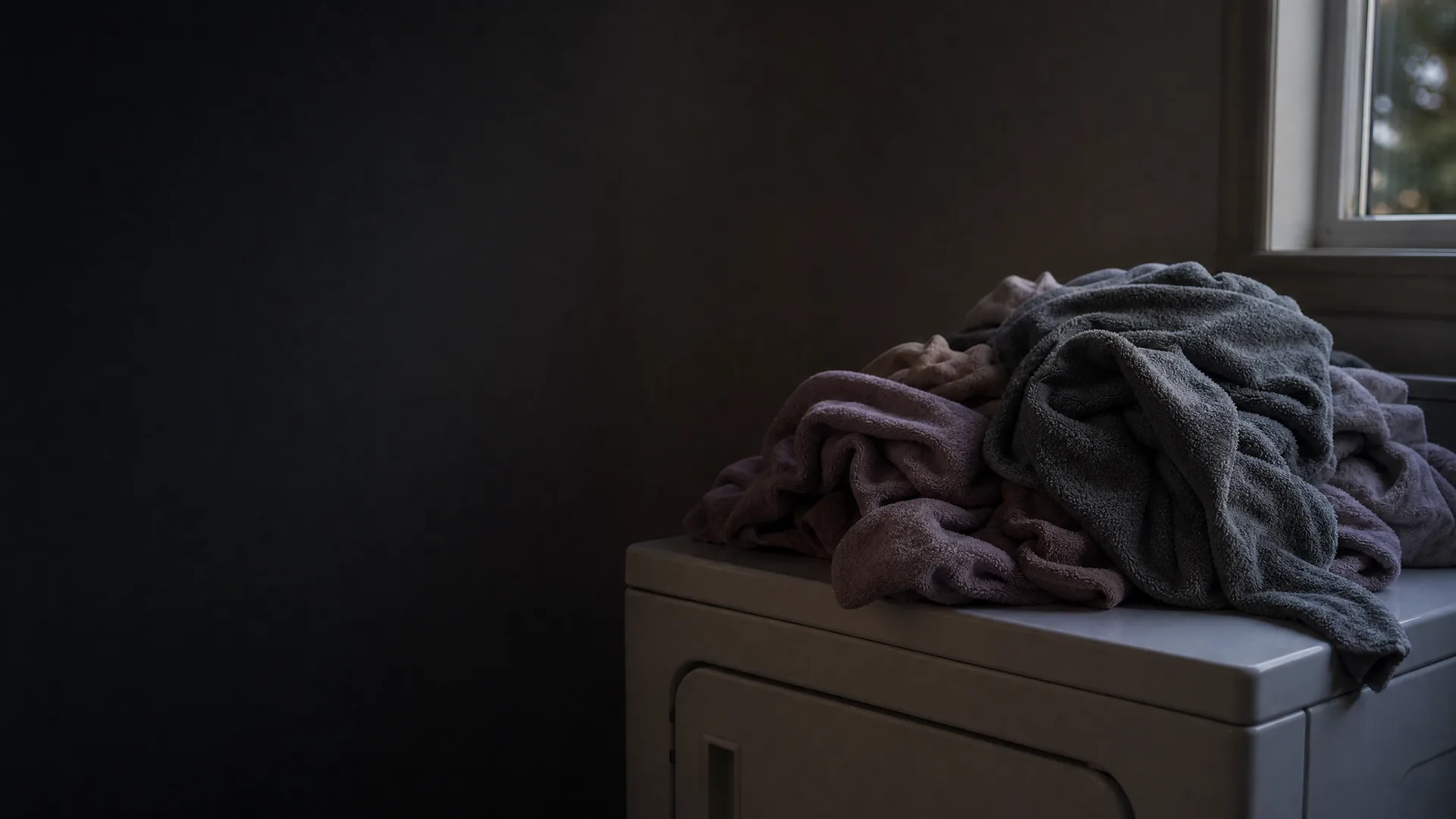
A pile of gray and pink towels sits on top of a white dryer in a dim room beside a window.

It's past seven on a Tuesday and you're pulling the last load out, except it isn't the last load because the towels are still damp. You felt it before you saw it, that heavy, cool weight where they should've come out warm. You run the dryer again. Twenty more minutes, same result. Out in the laundry room the air smells faintly of hot dust, and when you crack the door to the garage you notice the dryer's been running longer than usual the past few nights, not just tonight. The towels sit in a heap on top of the machine while you try to decide if it's worth calling anyone about or just running it a third time.


Describe it once

Only one pro gets your request, so you hear from one company.

It costs nothing to send, and you don't have to hire anyone.

What a blocked vent does to the dryer

A gas or electric dryer both push the same hot, damp air down the duct, and that air has to go somewhere. When a nest blocks the hood, the air backs up into the duct and then into the drum housing. The thermostat inside reads that trapped heat and cycles the burner or element off sooner than it should, which is why clothes come out lukewarm and still wet. Run it again and the same thing happens, so what used to take one cycle now takes two or three. The moisture that should have vented outside stays in the duct instead, and it sits against the metal and the nesting material both.

Why the lint keeps it blocked

Nesting material alone wouldn't stop much air, but lint is sticky when it's damp, and a dryer vent is full of both. The lint catches on twigs and feathers and builds a mat across the opening that's denser than the nest itself. That mat dries into place between loads, so a flap that moved freely a month ago can go stiff, and you'll feel it more as resistance when you push the hood open by hand than as full resistance. Once that layer forms, it holds heat against the duct wall, and a duct that stays warm and wet for hours at a time is the setup most lint fires start from.

2.72 people per household on average

With close to three people in most houses nearby, the dryer runs for somebody's load almost every day. More loads means more chances for a bird-blocked vent to go unnoticed, since the dryer still runs and still dries clothes, just slower, until one day it barely does.

ACS 2020-2024

A white plastic dryer vent hood mounted on horizontal lap siding, clogged with gray lint at its lower opening, above a concrete foundation and walkway.
Before you get your dryer vent cleaning
A white plastic hooded dryer vent with a screened opening mounted on gray horizontal lap siding above a concrete foundation and gravel bed.
After you get your dryer vent cleaning

What are you noticing about your own dryer right now

Clothes that used to come out warm now come out damp, and you run the cycle again to finish the job. The laundry room gets warmer than it should while the dryer runs, sometimes with a smell like a hot, musty attic. You might hear a faint scratching or chirping from the vent line itself, especially in the morning. Outside, the hood flap stays open instead of swinging shut between loads, or you can see bits of straw and debris caught in it. Left alone, the heat and moisture that should vent outside keep building in the duct instead, and that's the setup for a dryer fire.

A smiling middle-aged man in a dark knit sweater sits at a dimly lit dinner table with a glass of red wine, a bowl of food, and a lit candle in the foreground.
A woman with long wavy brown hair in a knit sweater reclines on a couch with eyes closed under a textured blanket, an open book on her lap, beside a lit table lamp and potted plant.

The vent, cleared and working

  • A bird nest in the vent hood blocks airflow, and a cleared duct is the fix, not a new dryer.
  • Longer dry times, a damp heat in the laundry room, and a hot smell all trace back to the same blocked hood.
  • A local contractor who clears vents in this area all year knows what nesting debris looks like versus packed lint.
  • Working with one licensed contractor means one visit and one answer, instead of sorting through several companies.
  • Clothes drying in one cycle again is the sign the duct is open and venting the way it should.

A bird built a nest against your vent hood, and that nest is why the dryer runs long and the laundry room turns warm and damp. The fix is the same no matter how it got blocked: clear the duct so air can push straight out again, the way it did before a bird found that gap and decided it looked safe. Nothing about your dryer itself needs to change. Once the hood is clear, the flap swings free, heat and moisture leave the house instead of backing up into the drum, and a load that's been taking two cycles goes back to taking one.

Finding somebody to do that work is usually the part that drags on, calling around, explaining the problem more than once, waiting on quotes from companies that don't know your house. That part goes away here. You get matched with one licensed contractor working in Orange County, someone who pulls nesting debris out of vents all season and knows the difference between a bird's nest and a duct that's just packed with old lint. One visit, one assessment, one answer about what's actually blocking your vent. No juggling calls from three different companies trying to win the job.

The dryer will tell you when it's fixed. Clothes come out warm, the first time through, and the laundry room stops holding that heavy heat while the cycle runs.

A white clapboard house at dusk with a lit pedimented portico, wooden front door, potted ferns, stone walkway, lawn, and illuminated hydrangea shrubs.

Dryer Vent Cleaning

No calling every shop in Orange County

Duct and vent cleaningOrange County, FL
Step 1 of 3

What kind of equipment?

  • A beige upholstered armchair with a green cushion and a knitted throw sits beside a window with a rain-speckled pane, with a lit table lamp and bookshelf behind and a wooden side table holding a ceramic mug and a book.
    • Say what's going on with your dryer vent, and a pro who works on them reaches out.
    • Your request goes to an Orange County pro who takes dryer vent jobs.
  • A ceramic table lamp with a wide linen shade and a dark wooden bowl sit on a round wood side table beside a beige upholstered sofa with a chunky knit throw, in front of a curtained window.
    • Once you send the form, finding a pro is off your list.
    • After you send the request, you're done searching.
  • A living room with a light gray sectional sofa holding brown and cream textured pillows and a knit fringed throw, a rustic wood coffee table with stacked books and a stone vase of olive branches, built-in shelves with pottery, and a tall olive tree beside a curtained window.
    • Skip searching for someone who cleans dryer vents in Orange County.
    • Fill out one short form instead of calling around.
  • A ceramic urn-shaped table lamp with a mottled gray glaze and beige drum shade sits on a dark wood side table beside a potted green plant, next to a light beige upholstered sofa and a framed artwork on a gray wall.
    • Your request stays with one local pro.
    • Your dryer vent cleaning request goes to one local pro.