Birds nesting in a dryer vent in Florida

A white square plastic dryer vent hood with a hinged flap propped open, revealing a round duct opening, shown against a plain light gray background.
Hand off the search

A bird in your dryer vent usually means a nest built inside the vent hood or the duct just behind it, most often in spring when birds are looking for a sheltered spot to raise a brood. The hood flap is supposed to keep them out, but a flap that sticks or hangs loose from salt air and humidity gives a bird enough room to push through. Once a nest is in there, lint and feathers block the airflow your dryer depends on to push hot, damp air outside. Florida's humidity makes that worse, since clothes already take longer to dry and a blocked vent adds even more moisture and heat that has nowhere to go. Loads that used to take one cycle start taking two or three, and the dryer runs hotter than it should. Left alone, the blockage is also a fire risk, since lint piling up against a nest is exactly the kind of fuel that heats up fast near a running dryer.

A smiling man in a navy long-sleeve shirt sits at a wooden table in a kitchen and dining area, with a ceramic mug, a potted plant, and a sliding glass door behind him.
A smiling bearded man in a green henley shirt stands at a kitchen island with a gray mug, looking off to the side, with a dining area and shelves blurred behind him.
A smiling bearded man in a navy sweater sits at a white kitchen island with a ceramic mug, with open shelves, potted plants and a range hood behind him.
A smiling man in a dark olive long-sleeve shirt sits in a kitchen beside a counter with a dark mug, with a dining table, sideboard and hallway visible in the blurred background.

Why this is a fire risk

A dryer vent clogged with nesting material is different from one clogged with lint. Twigs, leaves, and feathers block airflow the same way lint does, but they also sit right at the point where hot exhaust air leaves the duct. That hot air has nowhere to go if the nest blocks the hood opening or packs the duct behind it. The dryer keeps running hot air into a duct that cannot clear it, and that heat has direct contact with dry, flammable material. Lint building up behind a nest makes the same stretch of duct worse, not better.


What a blocked vent does to drying

Dryer exhaust has to travel from the drum to the outside wall through the full length of the duct. A nest anywhere in that path, whether it's right at the hood or further back near the wall, cuts down how much air can move through. Clothes come out of the dryer damp or still warm after a full cycle, and you may need to run it twice to get the same load dry. The dryer also runs hotter than it should, since it's pushing against a partial blockage instead of venting freely, which puts extra strain on the heating element with every cycle.

A white plastic dryer vent hood mounted on beige horizontal vinyl siding, with lint clogging its lower opening and a concrete foundation below.
Before you get your dryer vent cleaning
A white louvered dryer vent hood mounted with four screws on beige horizontal lap siding above a gray stucco foundation and concrete walkway.
After you get your dryer vent cleaning

Getting a nest out of a dryer vent is not like clearing lint. A tech works rotating brushes through the duct from both the hood end and the dryer end, with a vacuum pulling material out as it breaks loose. Twigs and feathers do not pull apart the way lint does, so packed sections often have to come out in chunks. Birds do not always stop at the hood. They can carry material several feet back into the duct, so the job has to cover the whole run, not just what is visible from outside. In Florida, that matters more than it might elsewhere, since the humidity here can keep nesting material damp instead of letting it dry out and crumble on its own. Once the duct is clear, the hood flap gets checked to make sure it opens and closes on its own. A flap that sticks shut traps lint and heat. One that sticks open is what let the bird build there in the first place.

Clearing a nest from the duct

  • The hood flap sits at the wall end of the duct, and a nest usually packs in right behind it where the bird has cover from the weather.
  • A dryer vent cleaning uses rotating brushes and a vacuum worked from both ends of the duct, not just a shop vac at the hood.
  • A nest packed with twigs and feathers has to be pulled out in pieces, since it will not break apart and pull through the way lint does.
  • The cleaning has to clear the full run of the duct, because birds carry material back further than the hood or the first few feet.
  • A tech checks that the hood flap opens and closes freely once the duct is clear, since a flap that sticks is what let the bird in to begin with.
  • Florida's humidity can make nesting material clump and hold moisture against the inside of the duct instead of drying out and breaking down.
A smiling man in a dark blue T-shirt sits on a light gray sofa in a living room with a wooden shelf and window behind him, with a laptop edge visible in the foreground.
A bearded man in a plaid flannel shirt stands indoors looking out a frost-covered window, with a steaming dark blue mug on the wooden sill and snow-covered trees outside.

Let someone else find the pro

A nest in the vent does not come out with a broom handle or a shop vac run from the laundry room. Twigs and feathers pack in tight behind the hood flap, and most of what's jammed in there is out of reach from either end unless someone has the right brushes and knows how deep to go. Leaving it packed in means a dryer that runs hotter and longer every load, in a Florida laundry room that's already warm for most of the year. Instead of spending your evening calling around to vent cleaners, asking who's licensed, explaining the bird problem to each one, and setting a second call aside to compare what they quoted you, send the request once. From there, finding someone to come look at it is off your plate. You still need the vent cleared. You just stop being the one who has to track down who does it.

What a Blocked Vent Does to Your Laundry

  • A dryer that used to take under an hour now runs two or three cycles to dry the same load.
  • Clothes come out warm and damp instead of hot and dry, since the blocked duct can't carry the moisture out.
  • The laundry room or hallway smells musty, which is the nesting material trapping humidity inside the duct.
  • Your energy bill goes up because the dryer is drawing power for extra cycles it shouldn't need to run.
  • Lint and feathers pushed back toward the drum by the blockage can trip the thermal cutoff and shut the dryer off mid-cycle.
  • Left alone through a Florida summer, the trapped moisture gives mold somewhere new to grow right behind your wall.

A nest behind the hood flap doesn't just slow the dryer down, it changes what your laundry routine looks like day to day. You'll notice the extra cycles first, since the dryer has to keep running to push warm air through a duct that's half blocked with twigs and feathers. That extra run time shows up on your power bill, and in Florida, where most homes already run on electric heat and the dryer is pulling its share of that load, a few extra cycles a week adds up over a season. The moisture that should be venting outside instead backs up into the duct and the room around it, which is why towels and sheets come out warmer than usual but still damp, and why the laundry room can start to smell musty even when it's clean. That trapped moisture sitting behind a wall in a muggy Florida summer is exactly the kind of condition mold needs, and it's the kind of problem a homeowner who deals with small issues early wants to catch before it's a wall repair instead of a vent cleaning. The thermal cutoff shutting the dryer off mid-cycle isn't a separate issue either, it's the same blockage pushing lint and nesting material back toward the drum until the dryer's safety switch trips. None of this means the dryer is broken. It means the air has nowhere to go.

Power costs 15.21 cents per kilowatt-hour statewide

At 15.21 cents a kilowatt-hour, a dryer forced into two or three cycles to finish one load shows up on the bill. Most Florida homes heat with electricity already, so a blocked vent working the dryer harder adds a cost you can watch climb month to month.

EIA-861 2025 statewide residential average

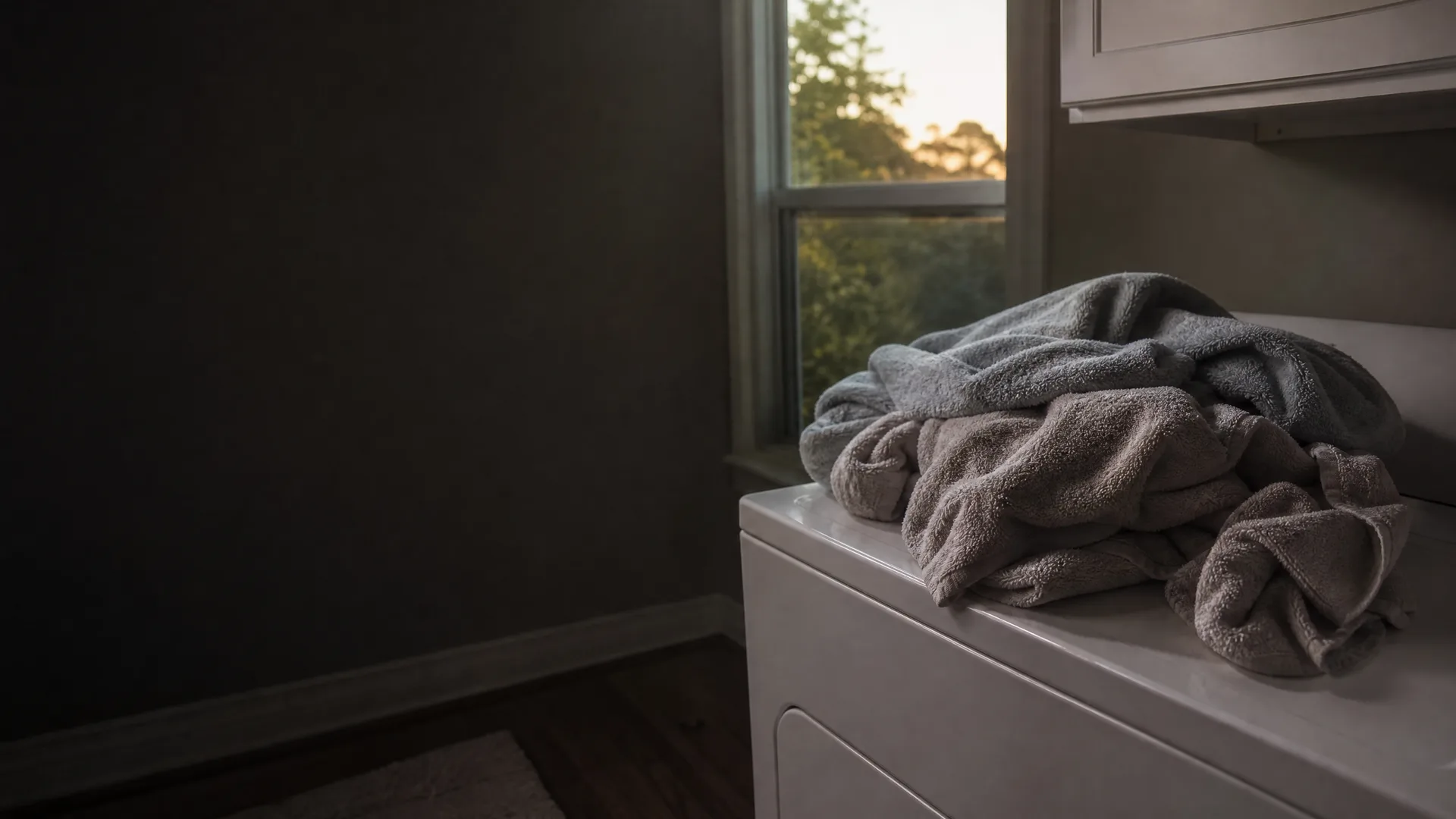
A pile of gray and taupe towels sits on top of a white laundry appliance in a dim room beside a window with trees and sunlight outside.

It's almost eight on a Tuesday and the air outside hasn't cooled off much. You've run the same load of towels three times now, and they're still damp enough that they smell like a wet dog instead of clean cotton. You open the dryer door and the heat that rolls out feels weaker than it should. The towels sit in a heap on top of the machine while you try to decide whether to run a fourth cycle or hang them over the shower rod instead. The laundry room is warmer than the rest of the house, and underneath the usual dryer sheet smell there's something else, something closer to wet leaves.

A closed silver laptop and a glazed ceramic mug on a wooden table, with a blurred kitchen counter, potted plant, cutting board and window in the background.

A bird in the vent means one call, not a repair job

A nest behind the hood flap is a cleaning problem, not a mystery. Once the duct is cleared end to end and the flap moves freely again, the dryer goes back to drying a load in one cycle and the exhaust has a clear path outside. That's the whole fix.

What's left is finding someone who can actually get in there with the right brushes, rather than spending an evening calling around, asking who works on vents instead of just ducts, and sitting on hold waiting for a quote. Send the form once and that search is off your plate. You'll know who's coming before you have to explain the bird story twice.

Interior corner of a dining room with a round wooden table, a ceramic vase holding olive branches, a dark spindle-back chair near a curtained window, and a sideboard with a lamp against beige walls.
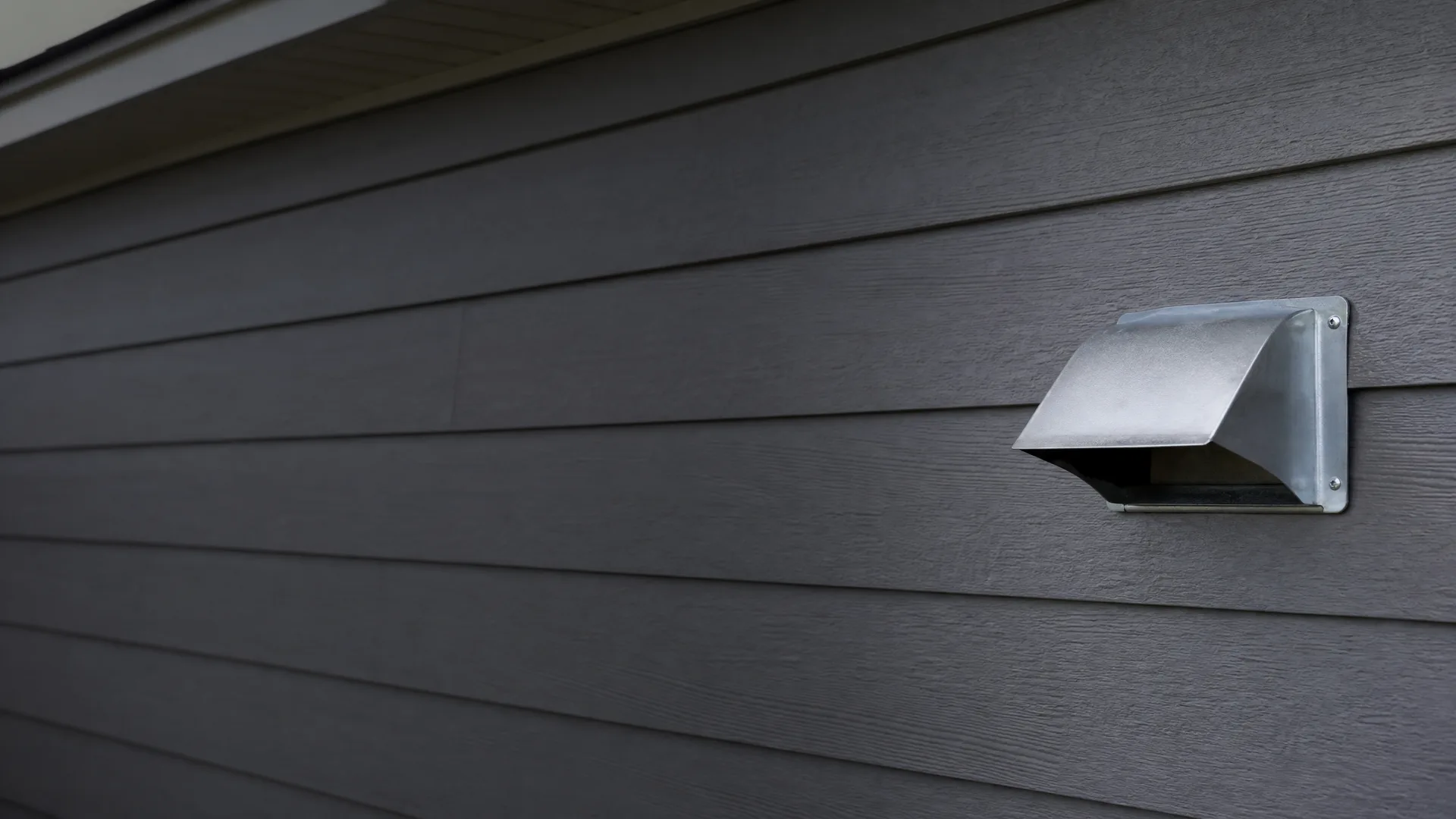
A metal hooded exterior vent cover mounted on dark gray horizontal lap siding, photographed at an angle along the wall.

One request and it's handed off

Explain the job once and skip repeating it on every call.

Duct and vent cleaningFlorida
Step 1 of 3

What kind of equipment?