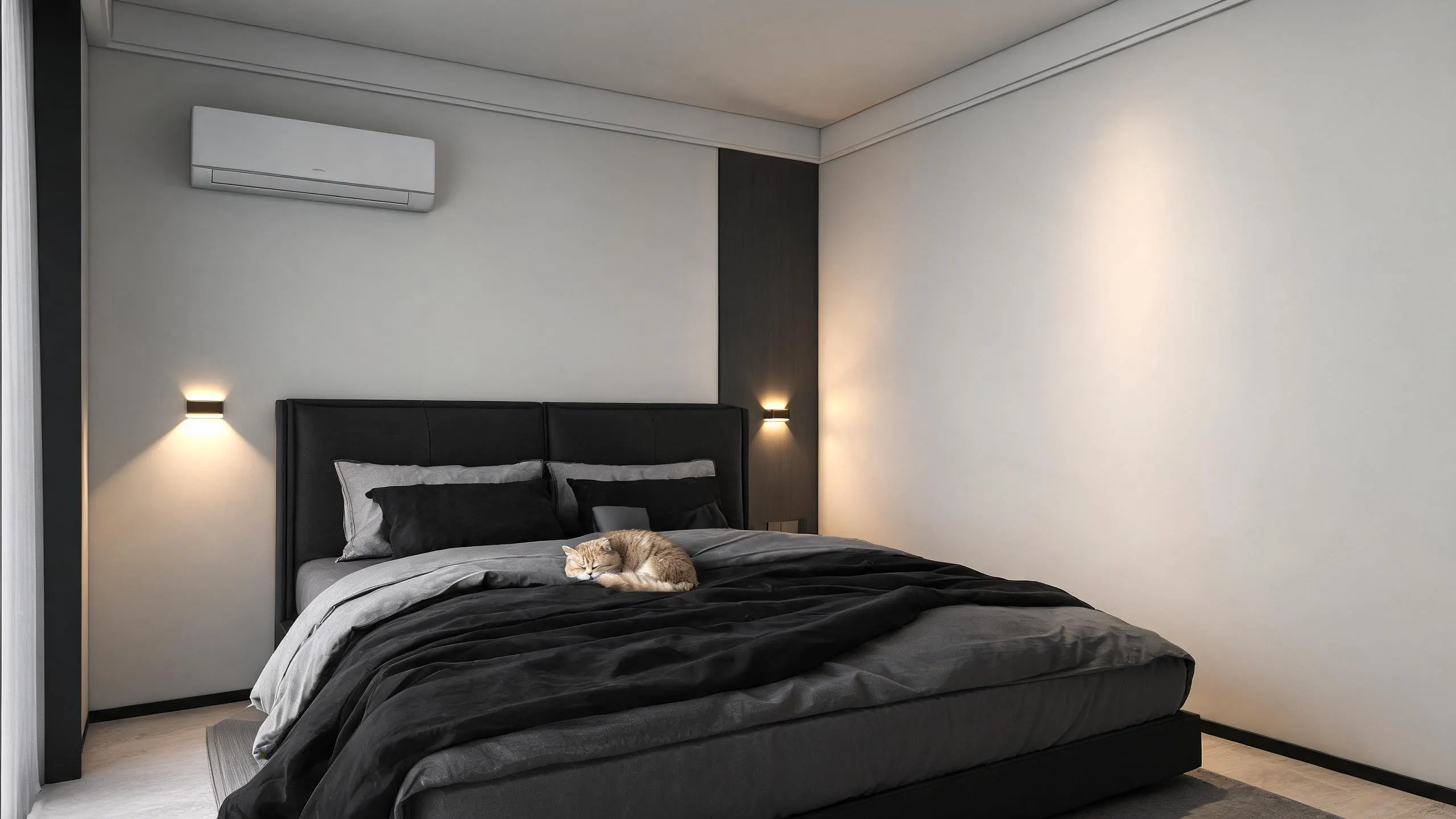
Mini Split Installation in St. Augustine, FL
A new system here will heat from December through February and cool from April through October every year. Tell us about the house, and a licensed contractor who covers St. Johns County will get in touch.
Tell us about the job
It takes about a minute.
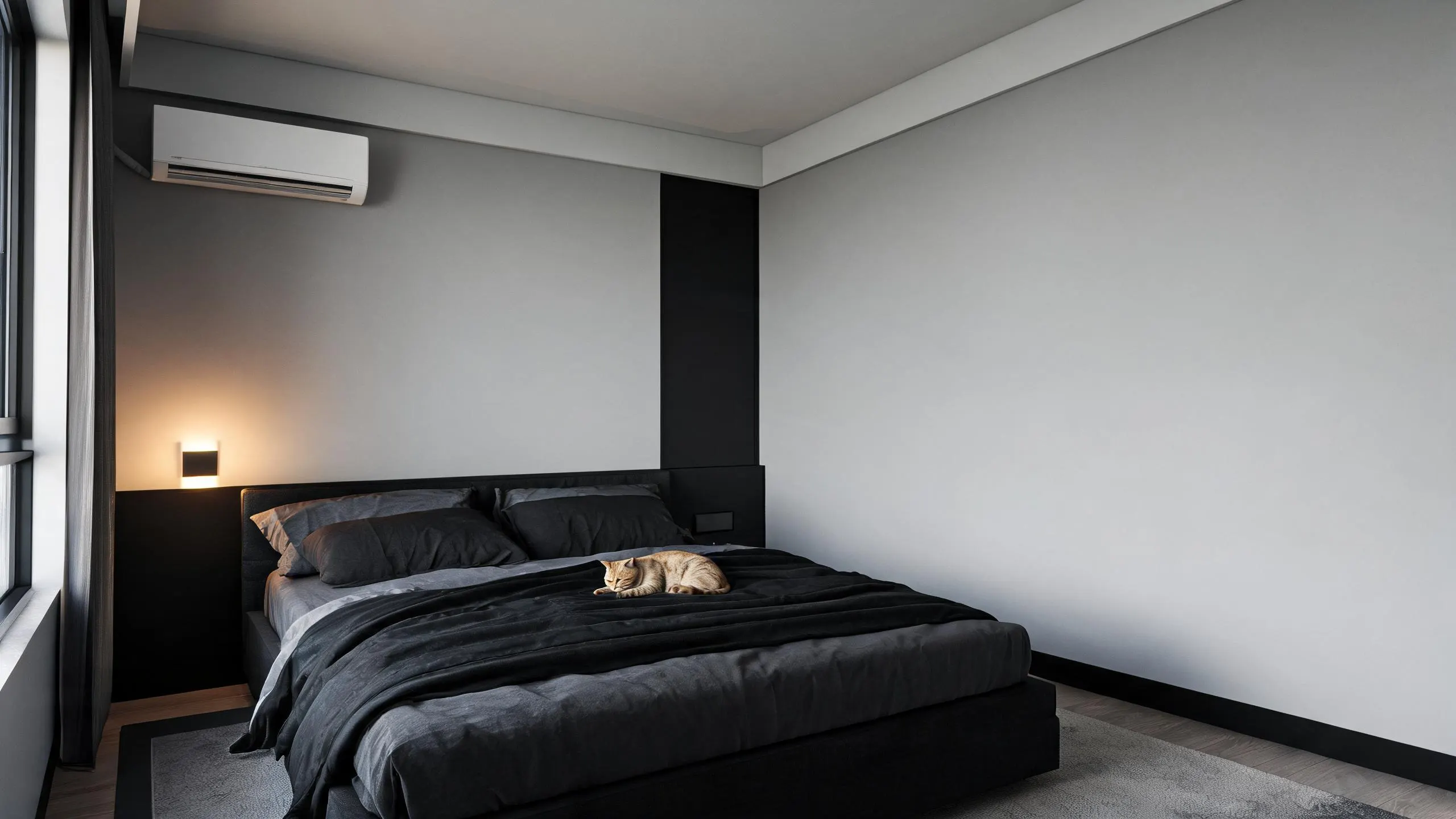
St. Johns County asks a mini-split to run ten months a year
Cooling season here runs April through October, seven months, with afternoons averaging 90°F. Heating covers December through February, nights averaging 48°F. That is ten months where the system is working, and only two where it gets a rest.
Any mini-split installed new has to meet the federal minimum for a split-system heat pump, 14.3 SEER2 for cooling and 7.5 HSPF2 for heating. With seven months of cooling against three of heat, the SEER2 rating is the one carrying most of the load here. Worth knowing too, the county has logged 127 damaging wind events over the past ten years, and 38% of Florida households lost power for at least a day in 2024. Where the outdoor unit sits and how it is mounted matters as much as the equipment itself.
- 3 months
- December through February, your system heats
- 7 months
- April through October, it cools
- 48°F
- the average winter night it heats against
- 90°F
- the average summer afternoon it cools against
NOAA nClimDiv, 1991–2020 normals
Florida requires HVAC contractors to hold a state license.
Florida's license is issued to the contractor, not to this particular job. The Construction Industry Licensing Board tests the person or company holding it and keeps a record of who they are, so whoever installs your mini-split is accountable to that board for how the work is done, not just to you.
Most cities and counties require a permit before this kind of installation and an inspection once it is done. That is separate from the license. The permit puts the job on file with the local building office, and the inspection is what confirms the mini-split was installed to code, including the electrical and refrigerant connections that make it run safely.
Sources: Florida Legislature · Florida Department of Business and Professional Regulation
- Is a mini split worth it?
- For most homes here, yes. Homes in St. Augustine need cooling seven months a year and heat three months a year, so a system that handles both jobs well earns its keep most of the year. A mini split puts heat pump equipment right in the room, and every unit sold new has to meet the same federal efficiency minimums, so you are not choosing between an efficient model and a weak one. It works best in rooms that are hard to heat or cool with what you already have, like an addition or a converted garage.
- How many rooms can a mini split cover?
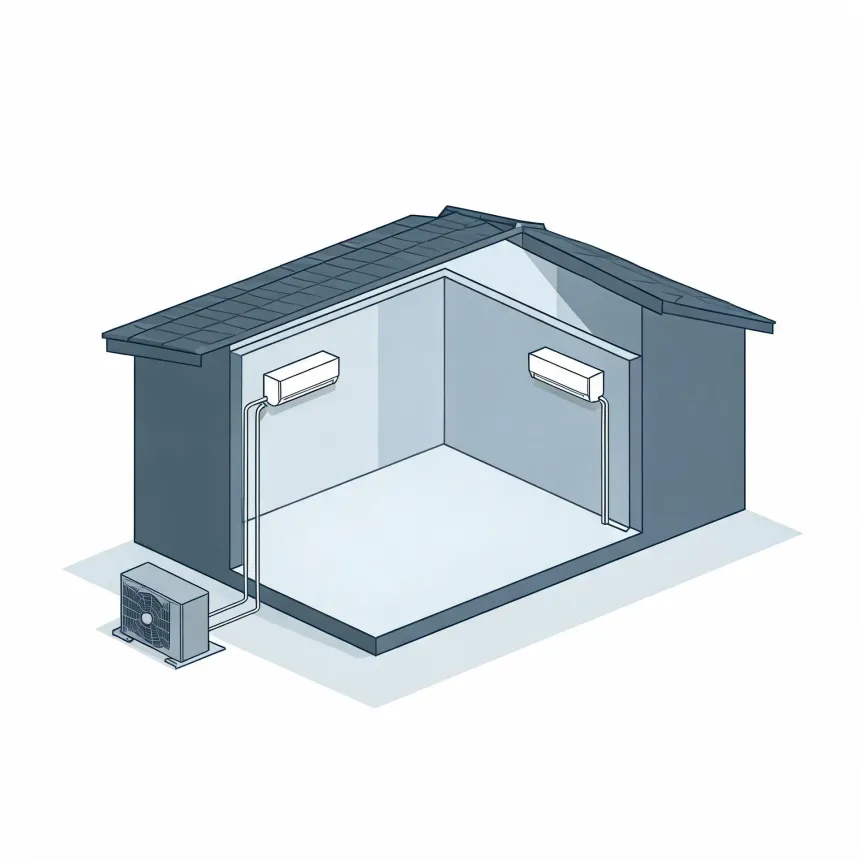
- One outdoor unit can run several indoor heads, and how many depends on the system a contractor selects. Each indoor head is sized for the room it serves, so the square footage and layout of every room matters before deciding how many heads the house needs. A single-zone system covers one room or open area well. For a house with several rooms that all need separate control, a multi-zone system is the right fit, and a contractor can size it once they see the house.
- Can a mini split heat a whole house?
- It can, if it is sized and placed for the whole house rather than one room. A multi-zone mini split can put a head in every main room, and each one heats independently, so the system can carry the house through winter nights that average 48°F here. Whether it is the right call depends on the layout, how the rooms connect, and how the house is built, which is why a contractor needs to walk the house before sizing it.