
HVAC Repair in Port St. Lucie, FL
Homes here need heat from January through January and cooling from February through December. If your system quits, tell us what it's doing and a licensed contractor who covers St. Lucie County will get in touch.
Tell us about the job
It takes about a minute.
Your air conditioner runs almost every month of the year here
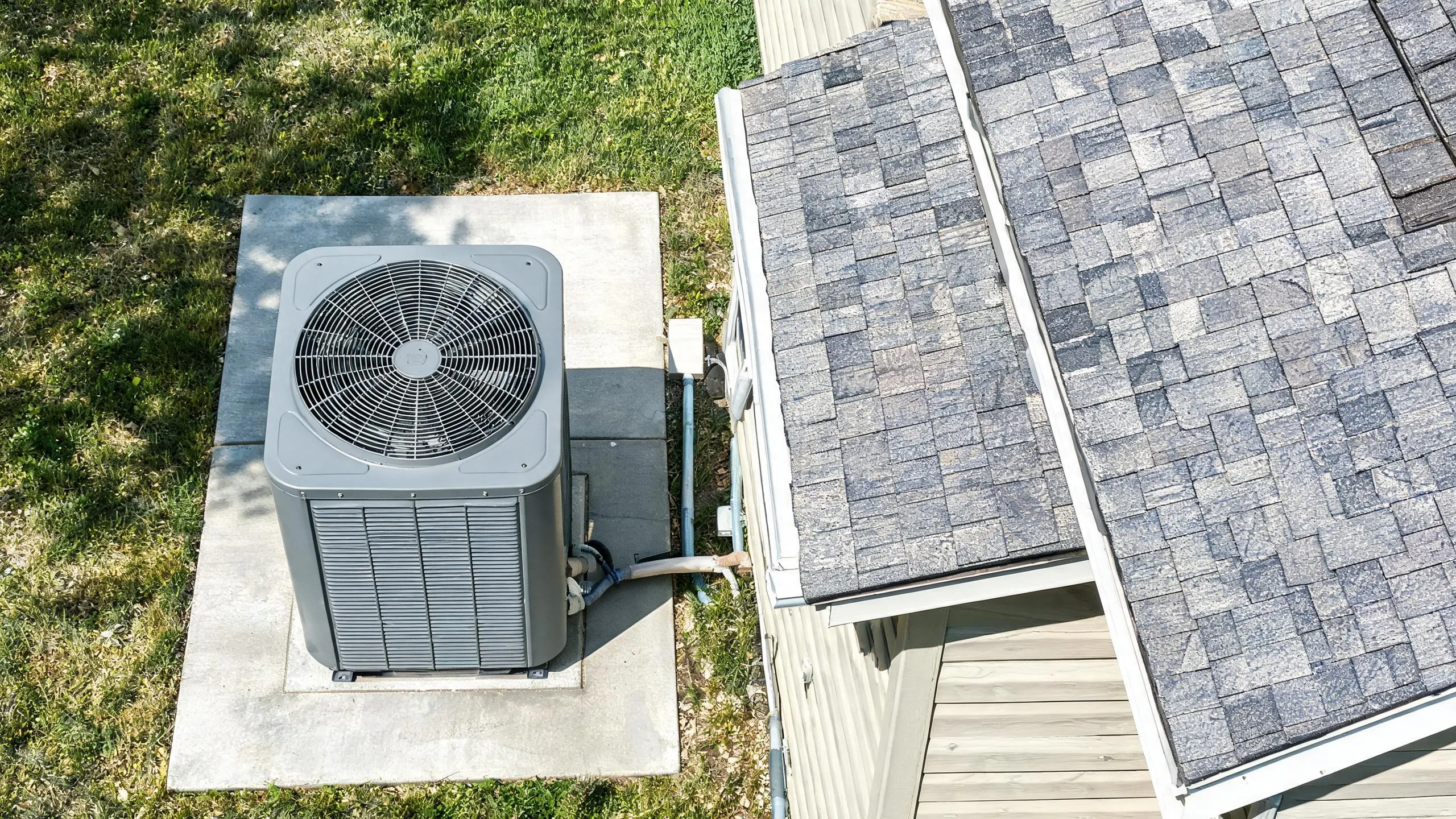
In Port St. Lucie, the air conditioner is the machine keeping the house livable. Summer afternoons average 90°F, and the system runs to keep up with that for eleven months of the year. That kind of runtime wears on the compressor and the fan motor, the parts doing the work hour after hour. When one starts to fail, you notice the air coming out warmer than it should, or the unit running constantly and still not catching up.
Winter is short here, just January, but nights still average 55°F, enough for the heat to kick on. With power outages hitting close to four in ten Florida households in 2024, and thirteen damaging wind events recorded here over the last ten years, a system that loses power can come back needing a reset, or not come back at all if a storm did more than cut the lights.
- 1 months
- January through January, your system heats
- 11 months
- February through December, it cools
- 55°F
- the average winter night it heats against
- 90°F
- the average summer afternoon it cools against
NOAA nClimDiv, 1991–2020 normals
Florida requires HVAC contractors to hold a state license.
The license is issued and tracked by the state's Construction Industry Licensing Board. That means the contractor was tested before the state put their name on record, and the record follows the contractor, not any one job they take on.
For a repair on a heating and cooling system, that license is what you are relying on. It covers the contractor doing the work, the person who shows up at your door, not the specific repair itself.
Sources: Florida Legislature · Florida Department of Business and Professional Regulation
- Why is my heat not working?
- Most homes here heat with electric systems, usually a heat pump. When one stops putting out warm air, check the thermostat setting first and make sure it is set to heat, not just fan. If the thermostat looks right, check the breaker, since a tripped breaker will shut the whole system down with no warning. A heat pump that runs but blows cool or lukewarm air may be stuck in defrost or low on refrigerant, and that calls for a contractor to look at it.
- Why is my system running but not cooling the house?
- The system is moving air but something is stopping it from actually cooling that air. Start with the filter. A clogged filter chokes airflow across the coil, and a starved coil cannot pull heat out of the air the way it should. If the filter is clean, check outside at the condenser. Leaves, grass clippings or anything blocking the fins will stop the unit from shedding heat properly. If both of those check out and the house still is not cooling on a 90 degree afternoon, the system likely needs a contractor to check refrigerant levels or the compressor.
- What can I check before calling for HVAC repair?
- Check the thermostat batteries and settings first, since a dead battery or a setting bumped to the wrong mode causes a lot of no-heat and no-cool calls. Next check the breaker panel for anything tripped. After that, pull the filter and hold it up to a light. If you cannot see light through it, it is too dirty and is restricting airflow. Outside, look at the condenser or heat pump unit and clear away any leaves, mulch or debris pressed against it. If the system still is not working after all that, a licensed contractor will need to diagnose it, and Florida requires HVAC contractors to hold a state license, so ask for it before work starts.