
HVAC Installation in Port St. Lucie, FL
A new system here will heat from January through January and cool from February through December every year. Tell us about the house, and a licensed contractor who covers St. Lucie County will get in touch.
Tell us about the job
It takes about a minute.

A system that cools almost year round and rarely sees real cold
In Port St. Lucie, cooling is the job. Summer afternoons average 90°F, and the season that calls for air conditioning runs from February through December, eleven months a year. A new system here spends most of its life keeping the house cool, not warm.
Heat only matters in January, when winter nights average 55°F. That is a mild low, nothing like the deep cold systems up north have to handle. Most homes here heat with electricity, so whatever you install needs to cool hard for most of the year and add a little heat on the coldest nights. Florida also sees its share of power loss, with over a third of households going at least a day without it in 2024, and this area has logged 13 damaging wind events over the past ten years. Worth asking how a new system handles a power interruption and what it takes to get it running again once power is back.
- 1 months
- January through January, your system heats
- 11 months
- February through December, it cools
- 55°F
- the average winter night it heats against
- 90°F
- the average summer afternoon it cools against
NOAA nClimDiv, 1991–2020 normals
Florida requires HVAC contractors to hold a state license.
The Construction Industry Licensing Board tests contractors before they can hold this license, and it keeps the record on file statewide. That license belongs to the contractor, not to any one job, so it does not expire when this installation is finished, and it is the same license whether the crew is working in St. Lucie County or anywhere else in Florida.
For a job like this, that license is what stands behind the person doing the work, but it is not the only check on the installation itself. In most cities and counties, putting in a new furnace or air conditioner needs a permit from the local building office, and an inspector looks at the finished work before it is signed off. That inspection is separate from the state license, and it is what catches problems in the installation itself, from the gas connection to how the system is set up to run.
Sources: Florida Legislature · Florida Department of Business and Professional Regulation
- When should I replace my HVAC system?
- Replace it when repairs start coming often, when the unit is old, or when it can no longer keep up on a 90°F afternoon. A system that short cycles, runs constantly, or leaves some rooms warmer than others is nearing the end even if it still turns on. Cooling is needed here nearly every month of the year, so a unit that struggles in summer will only get worse the next year. A contractor can check the compressor and the coil to tell you whether it is worth repairing again or time to replace.
- Should I replace my furnace and air conditioner at the same time?
- If both are old, yes, because they were likely installed together and wear on a similar schedule. Most homes here heat with electricity, so the heat strip and the air conditioner often share the same air handler and ductwork. Replacing one part while the other is near failure can mean paying for labor again soon after. A contractor can look at the age and condition of each piece and tell you honestly whether both need to go now or just one.
- What happens during an HVAC installation?
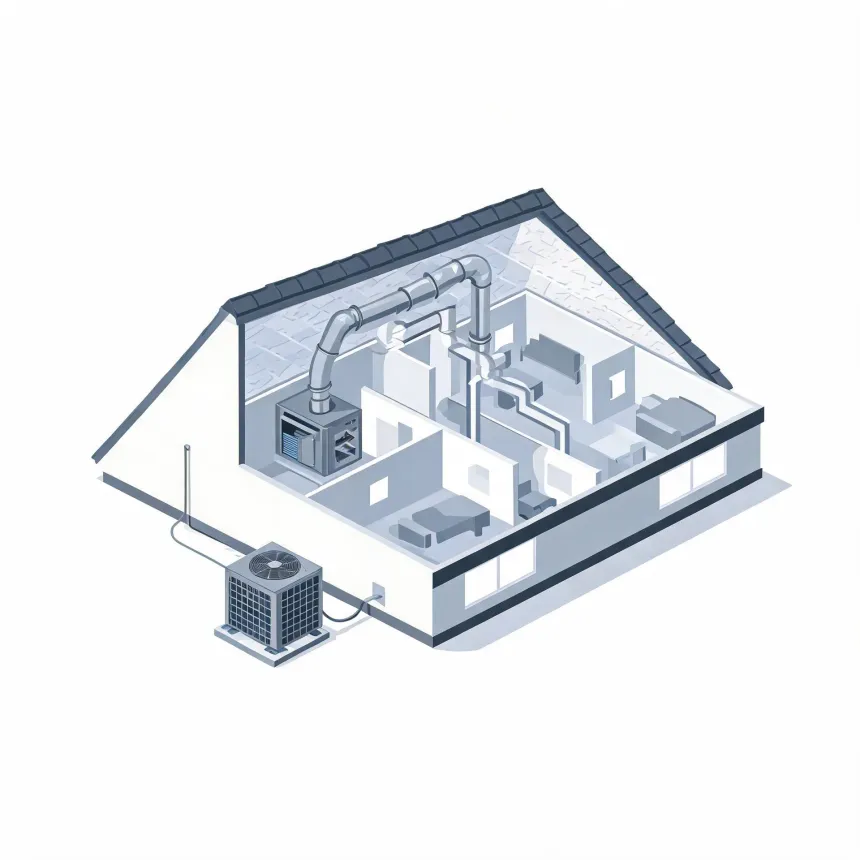
- A licensed contractor removes the old equipment, checks the ductwork and electrical connections, and sets the new unit in place. This includes mounting the outdoor condenser, connecting refrigerant lines, wiring the system to the thermostat, and testing it under a full cooling and heating cycle before leaving. In Florida, anyone doing this work is required to hold a state license issued by the Construction Industry Licensing Board. Ask to see it before work starts.