
HVAC Installation in West Palm Beach, FL
Tell us about the house, and a licensed contractor who covers Palm Beach County will get in touch.
Tell us about the job
It takes about a minute.

A system that runs every month of the year
There is no real winter here. Nights average 57°F from December through February, mild enough that most homes need little or no heat. What runs all year is the air conditioner, working through afternoons that average 91°F and staying busy in the months around them too.
That kind of duty asks more of a system than one that gets months off. A new install has to be sized to cool this house on its hottest afternoons and keep doing it every month, not just in summer. Power matters too. In 2024, 38% of Florida households went at least 24 hours without power, and this area has seen 95 damaging wind events over the past ten years. What your system does when the power drops and comes back is worth asking about before it goes in.
- 57°F
- the average winter night it heats against
- 91°F
- the average summer afternoon it cools against
Florida requires HVAC contractors to hold a state license.
The state tests contractors before they get that license, through its Construction Industry Licensing Board, and it keeps a record of who holds one. That license belongs to the contractor, not to any one job, so the same license that qualifies someone to install your system also stands behind whatever else they install in other homes across Florida.
For this job, that license is what the state puts between you and bad work. On top of it, most cities and counties in Florida require a permit for installing a new heating and cooling system, along with an inspection once the work is done. That inspection is what catches a bad connection or a wiring mistake before it becomes something you live with.
Sources: Florida Legislature · Florida Department of Business and Professional Regulation
- When should I replace my HVAC system?
- Replace it when repairs start costing more than they're worth or the system can't keep up anymore. Homes here need cooling all 12 months of the year, so the air conditioner is working every month there is. If you're calling a contractor out more than once a season, or the system is short-cycling, or parts of the house stay warm no matter how long it runs, replacing it usually makes more sense than continuing to repair it.
- Should I replace my furnace and air conditioner at the same time?
- Most homes here don't have a furnace to worry about. Homes in this area need cooling 12 months a year and heat 0 months a year, and most of the heat used here comes from electric heat built into the air conditioner or air handler rather than a separate gas furnace. So the real question for most people here is when to replace the air conditioner and air handler, and those two are usually replaced together since they're matched to work as a pair.
- What happens during an HVAC installation?
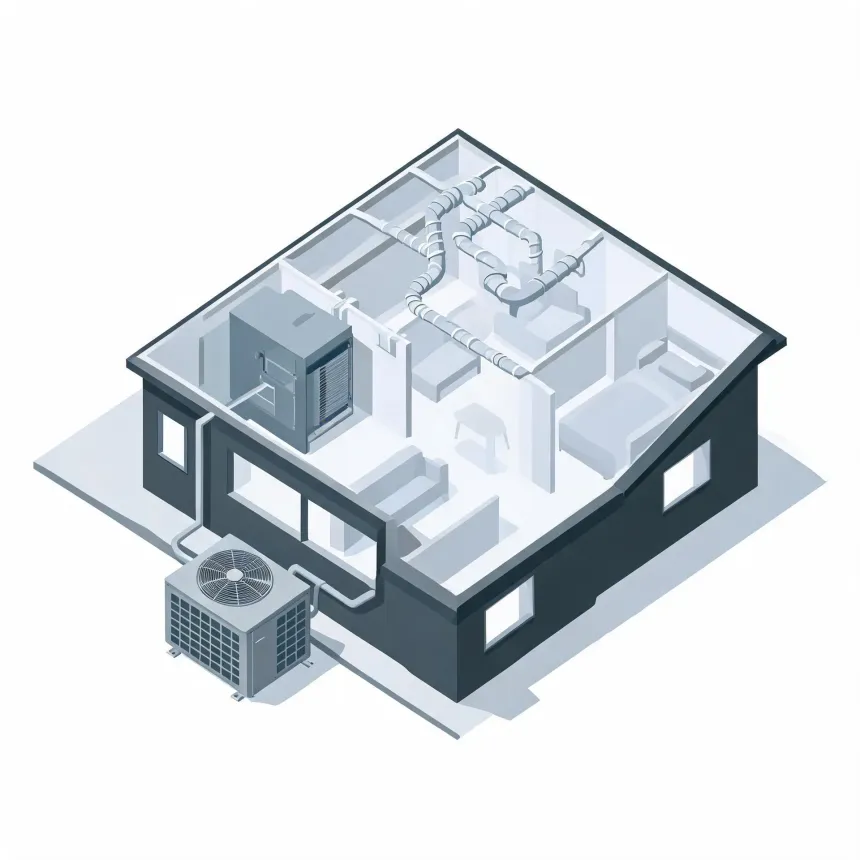
- A contractor removes the old equipment, sets the new outdoor unit and indoor unit, and connects them to the existing ductwork, electrical, and drain lines. They'll check the ducts for leaks or damage while everything is open, since that affects how well the new system performs. Once it's connected, they charge the refrigerant lines, test the system through a full cycle, and check that the thermostat is reading correctly. A contractor can walk you through what your specific house will need before the work starts.