
HVAC Installation in Jacksonville, FL
A new system here will heat from December through February and cool from April through October every year. Tell us about the house, and a licensed contractor who covers Duval County will get in touch.
Tell us about the job
It takes about a minute.

Ten months of work, most of it cooling
In Duval County, a new system spends most of its life cooling, not heating. Summer afternoons average 91°F for seven months, April through October, so the compressor is what gets tested here. Winter is short and mild, just December through February, with nights averaging 46°F. That means the load leans heavily toward cooling capacity and long runtimes, not toughing out deep cold.
Most homes here heat with electricity, so the outdoor unit is doing the job in both directions, and it needs to be sized for the heat, not just the cold snap. Storms are the other thing to plan around. Duval County has logged 303 damaging wind events over the past ten years, and in 2024, 38% of Florida households lost power for at least 24 hours. A new install is a chance to think about how the system comes back on after an outage, not just how it runs day to day.
- 3 months
- December through February, your system heats
- 7 months
- April through October, it cools
- 46°F
- the average winter night it heats against
- 91°F
- the average summer afternoon it cools against
NOAA nClimDiv, 1991–2020 normals
Florida requires HVAC contractors to hold a state license.
The license comes from the Construction Industry Licensing Board, and it belongs to the contractor, not to any single job. It covers a furnace install in Jacksonville the same way it covers one anywhere else in the state. It doesn't get reissued or checked off job by job. It tells you the contractor was tested and is on record with the state, not that this particular installation was reviewed.
That review happens on the local side. In most cities and counties, installing a new heating and cooling system needs a permit from the local building office, and an inspection once the work is done. The permit and inspection are separate from the license. The license says who is allowed to do the work. The inspection is what checks that this system, in this house, was put in correctly.
Sources: Florida Legislature · Florida Department of Business and Professional Regulation
- When should I replace my HVAC system?
- Replace it when repairs start happening every year, the unit is well past 10 years old, or a technician tells you the heat exchanger or compressor has failed. An aging system running nearly year round here, with cooling needed April through October and heat needed December through February, gets little rest, so wear shows up faster than in milder climates. Rising energy bills with no other explanation are another sign the equipment is losing efficiency. If a contractor is already out for a repair, ask them to check the age and condition of the whole system before you decide.
- Should I replace my furnace and air conditioner at the same time?
- If both are near the end of their life, replacing them together is usually the better choice. A furnace and air conditioner installed at the same time are matched to work together, and mismatched age or capacity can mean one part fails while the other still has years left. Most Jacksonville homes heat with electricity rather than a gas furnace, so this often means a heat pump or air handler paired with the outdoor unit rather than a separate furnace. A contractor can look at both systems and tell you whether replacing one now and the other later makes sense for your equipment.
- What happens during an HVAC installation?
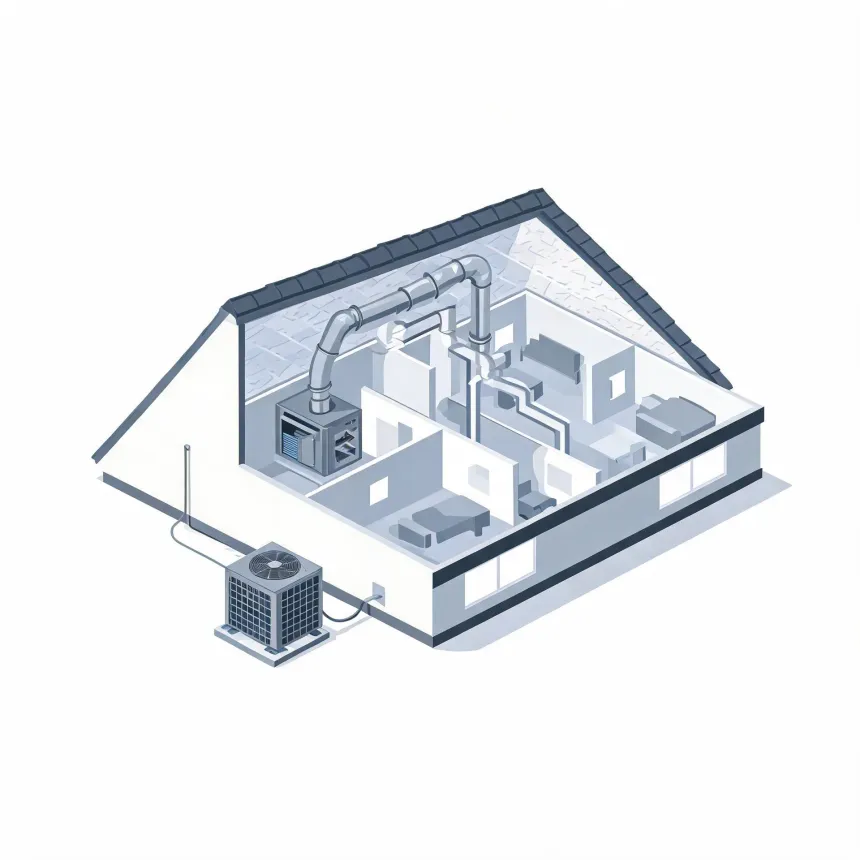
- A contractor removes the old equipment, sets the new indoor and outdoor units, and connects the refrigerant lines, ductwork, and electrical wiring. They check the ducts for leaks or damage, since ducts carry the air the new system conditions. Once everything is connected, they test the system, check refrigerant levels, and confirm it cycles on and off correctly. In Florida, the contractor doing this work has to hold a state license issued by the Construction Industry Licensing Board.