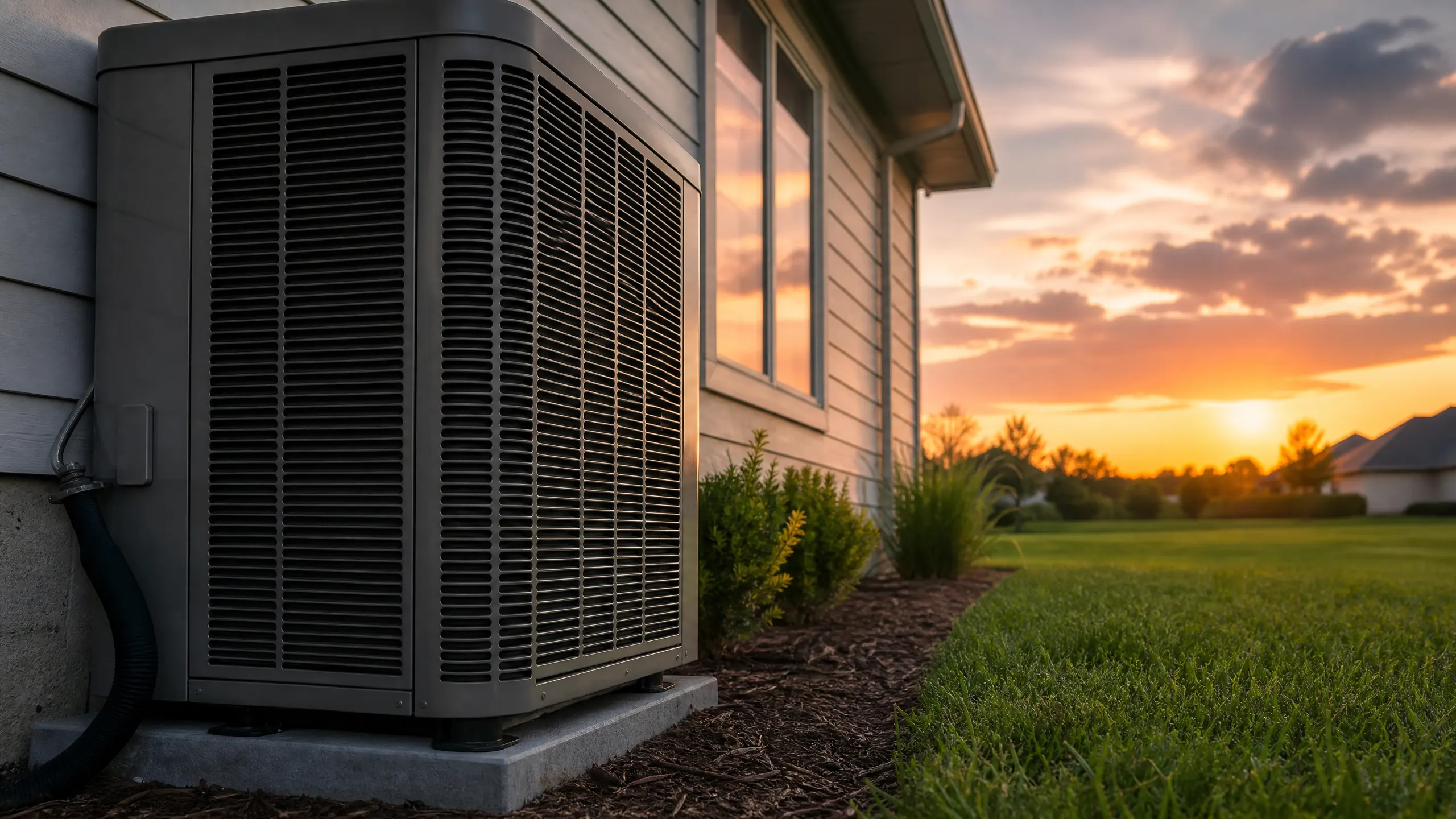
Heat Pump Installation in Jacksonville, FL
A new system here will heat from December through February and cool from April through October every year. Tell us about the house, and a licensed contractor who covers Duval County will get in touch.
Tell us about the job
It takes about a minute.
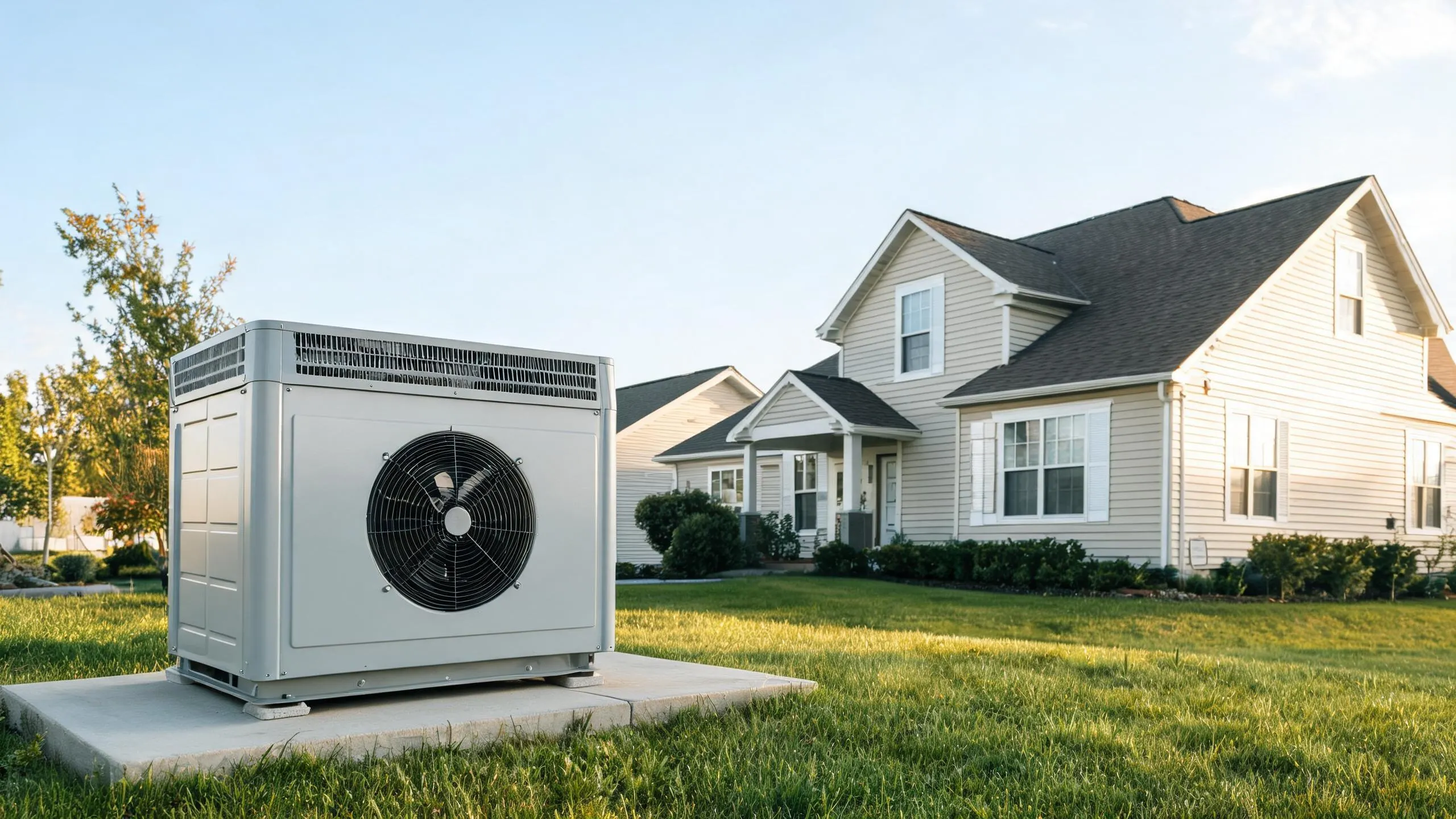
Duval County asks a heat pump to work almost year round
Winter here is mild and short. Nights average 46°F from December through February, three months of heat. Cooling takes over the other seven, April through October, with afternoons averaging 91°F. That leaves ten months where the system is running and doing real work.
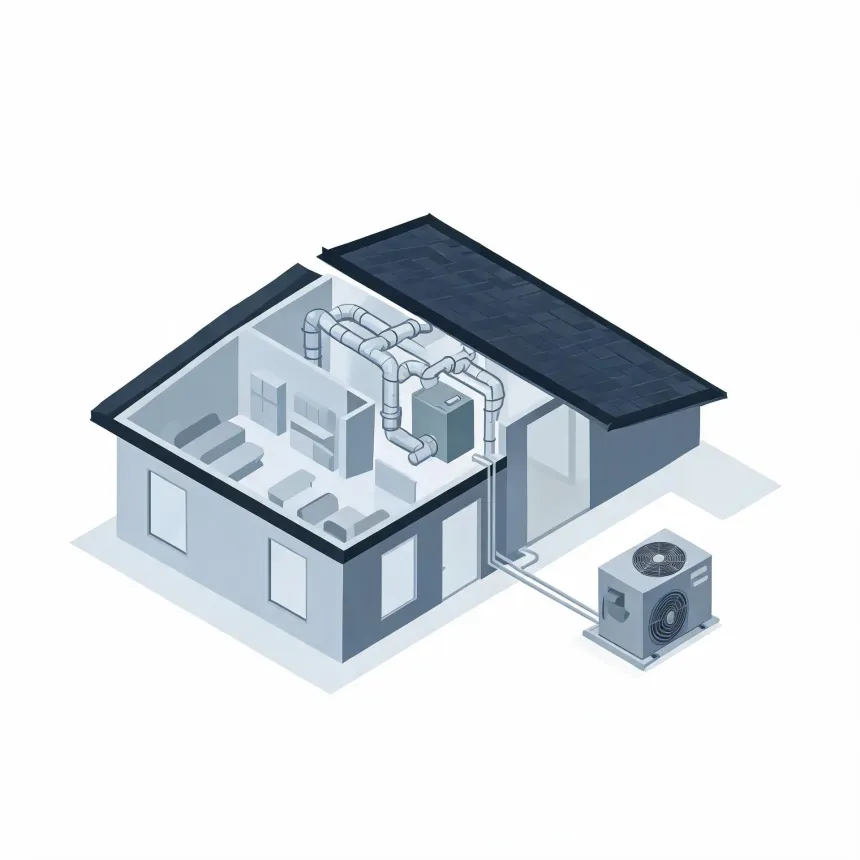
Most homes here heat with electricity, and a heat pump handles both jobs with one unit instead of two. Any split system installed new has to meet 14.3 SEER2 for cooling and 7.5 HSPF2 for heating, the federal minimum as of 2023. With this much of the year riding on it, that rating is worth asking about before you pick a unit.
- 3 months
- December through February, your system heats
- 7 months
- April through October, it cools
- 46°F
- the average winter night it heats against
- 91°F
- the average summer afternoon it cools against
NOAA nClimDiv, 1991–2020 normals
Florida requires HVAC contractors to hold a state license.
The state tests the contractor before handing out that license, and the Construction Industry Licensing Board keeps the record of who holds one. It covers the contractor, not this particular job, so it tells you the person is qualified to do this kind of work, not that this install has been checked.
That check comes from the local building office. A heat pump installation in most Florida cities and counties needs a permit, and an inspector looks at the finished work before it is signed off. The license tells you who is allowed to do the job. The permit and inspection tell you this one was done right.
Sources: Florida Legislature · Florida Department of Business and Professional Regulation
- Is a heat pump better than a furnace?
- For most homes here, yes, because a heat pump handles both heating and cooling in one system. Winters only average 46°F at night, which is well within what a heat pump can handle without help. A furnace only heats, so you would still need a separate air conditioner for the seven months a year this area needs cooling. Since 93.9% of homes here already heat with electricity, a heat pump is usually the simpler fit.
- What's the difference between a heat pump and an air conditioner?
- An air conditioner only cools. A heat pump does the same cooling in summer, but it can also run in reverse to heat the house in winter. Both use a compressor and refrigerant to move heat, an air conditioner just moves it in one direction. That extra ability matters here since homes need heat three months a year and cooling the other seven.
- Does a heat pump work in cold weather?
- Yes, and in this area that is rarely a concern. Heat pumps lose some efficiency as the outdoor temperature drops, but winter nights here average 46°F, which is mild for this kind of equipment. Heat pumps struggle more in places with hard freezes for weeks at a time, not conditions like these.