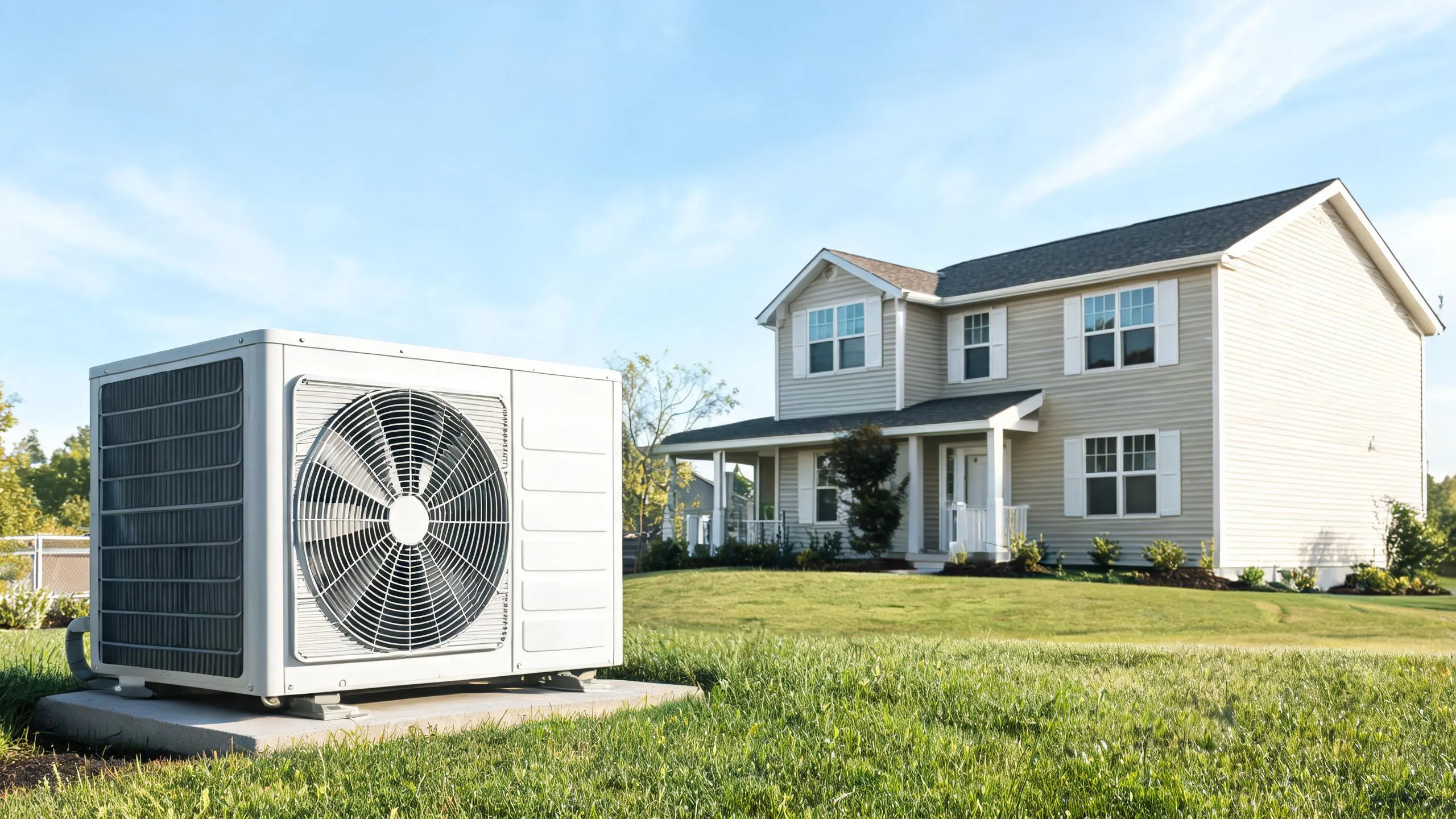
Heat Pump Repair in Sanford, FL
Homes here need heat from December through January and cooling from March through November. If your system quits, tell us what it's doing and a licensed contractor who covers Seminole County will get in touch.
Tell us about the job
It takes about a minute.
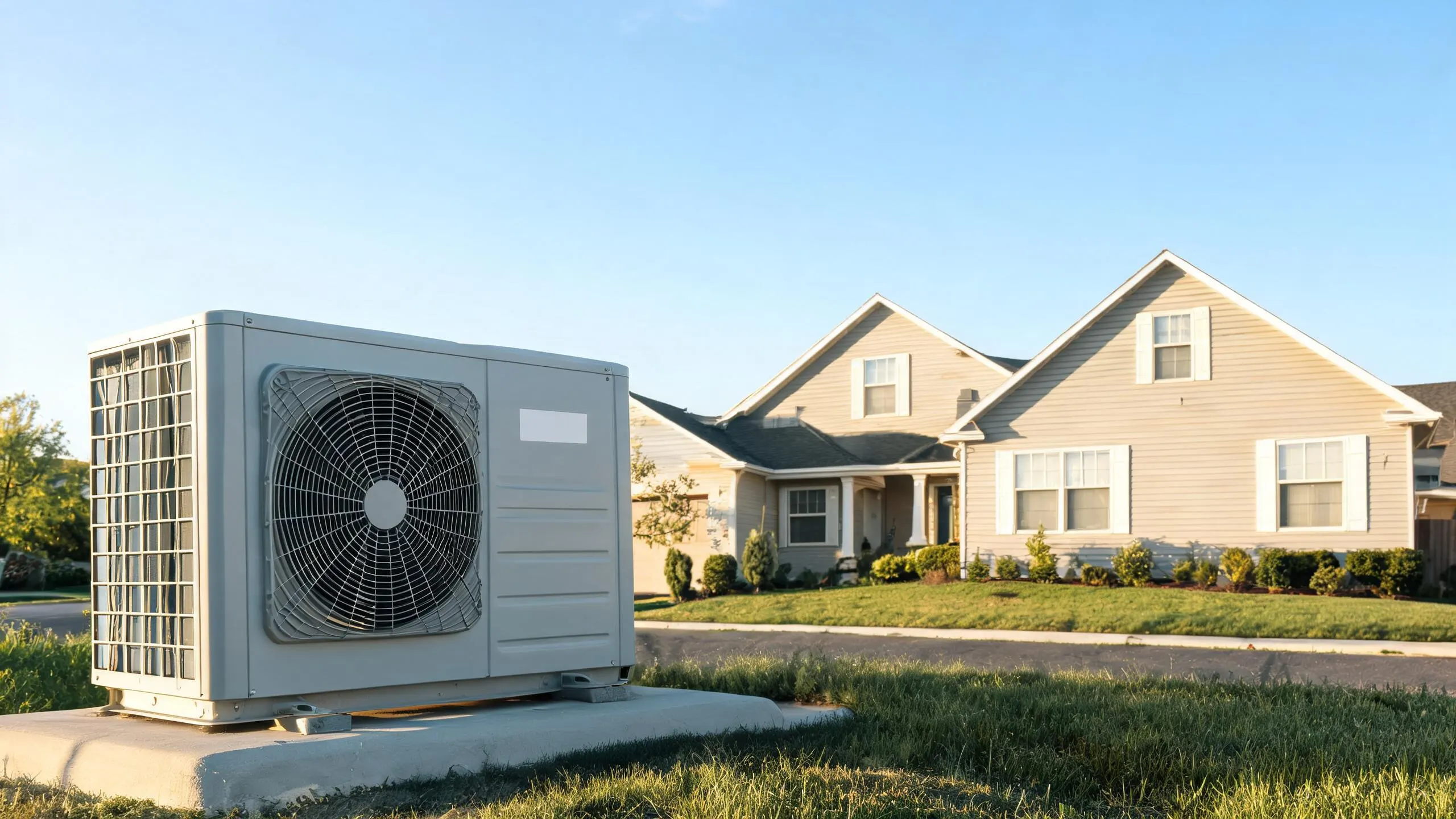
Your heat pump works nearly all year here
Homes in Sanford need cooling nine months a year, then heat through December and January. That means the heat pump is almost always doing one job or switching to the other. Every switch runs through the reversing valve, and a unit that changes modes this often puts more wear on that valve than one that only ever heats or only ever cools.
All of that runs on electricity, and Seminole County has seen 30 damaging wind events over the past ten years. Statewide, 38% of households lost power for at least a day in 2024. Most heat pumps restart on their own once power comes back, but a unit with a part already worn down may not recover the way it should. If yours is short-cycling, running but not warming or cooling the house, or staying off after the power blinks, that is what the switching and the outages here can do to it.
- 2 months
- December through January, your system heats
- 9 months
- March through November, it cools
- 51°F
- the average winter night it heats against
- 92°F
- the average summer afternoon it cools against
NOAA nClimDiv, 1991–2020 normals
Florida requires HVAC contractors to hold a state license.
Florida licenses HVAC contractors through the Construction Industry Licensing Board. That license is tied to the contractor, not to any single job, so the same license that covers a new install covers a repair call like this one.
A heat pump repair means opening the refrigerant side of the system. Federal law requires whoever does that to hold EPA Section 608 certification, in every state, on top of whatever the state itself requires. In Florida that means the contractor working on your heat pump should hold both the state license and that federal certification.
Sources: Florida Legislature · Florida Department of Business and Professional Regulation
- Why is my heat pump blowing cold air?
- In heating mode, air from the vents is meant to feel warm, so cold air usually means the system has switched into defrost or something is stopping it from heating at all. If frost builds up on the outdoor unit, the heat pump reverses itself for a few minutes to melt it off, and during that time the indoor air will feel cool. That is normal and short. If the air stays cold well past that, the problem could be a refrigerant leak, a stuck reversing valve, or an outdoor unit that has iced over and cannot pull in heat. A contractor licensed with the state can check the refrigerant charge and the reversing valve to find which one it is.
- Why is there ice on my heat pump?
- A heat pump defrosts itself automatically on a normal winter day, melting off any light frost that forms on the outdoor coil. A heavier layer of ice that does not clear on its own usually means airflow across that coil is restricted, often by a dirty coil, a failing fan motor, or low refrigerant. With winter nights here averaging 51°F, the outdoor unit is not fighting extreme cold, so ice that keeps building points to the unit itself rather than the weather. Left alone, it can stop the system from heating the house at all. A licensed contractor can check the defrost control and the refrigerant charge to find the cause.
- Why is my heat pump running but not cooling?
- If the outdoor unit is running but the air coming from the vents is not cool, the system is moving air without moving heat out of it. This usually points to low refrigerant, a compressor that is not engaging, or a coil so dirty it cannot shed heat. With summer afternoons here reaching 92°F, a system stuck in this state will fall behind fast and the house will keep warming up. A licensed contractor can check the refrigerant charge and the compressor to find what is keeping the system from actually cooling.