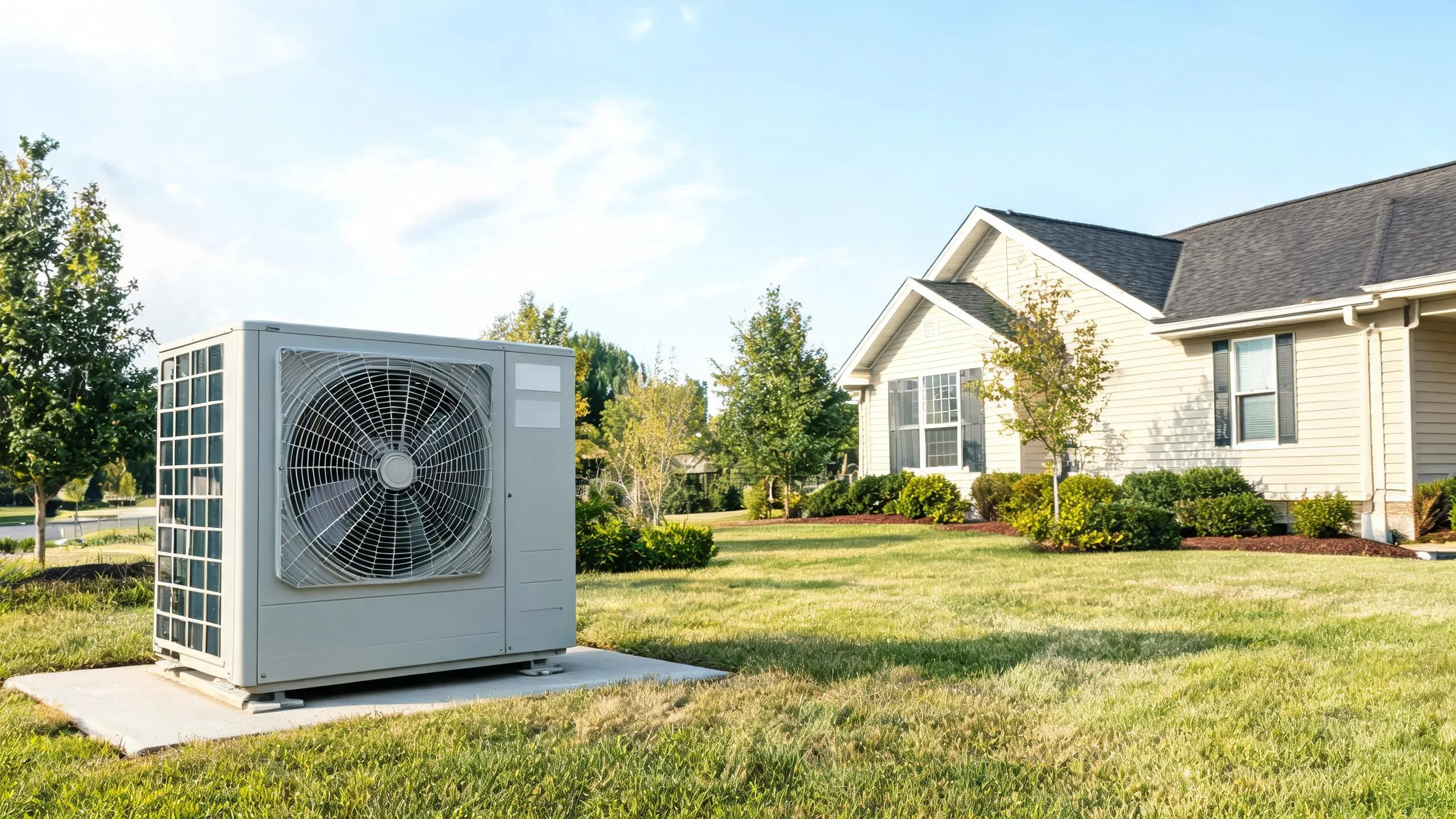
Heat Pump Installation in Naples, FL
Tell us about the house, and a licensed contractor who covers Collier County will get in touch.
Tell us about the job
It takes about a minute.
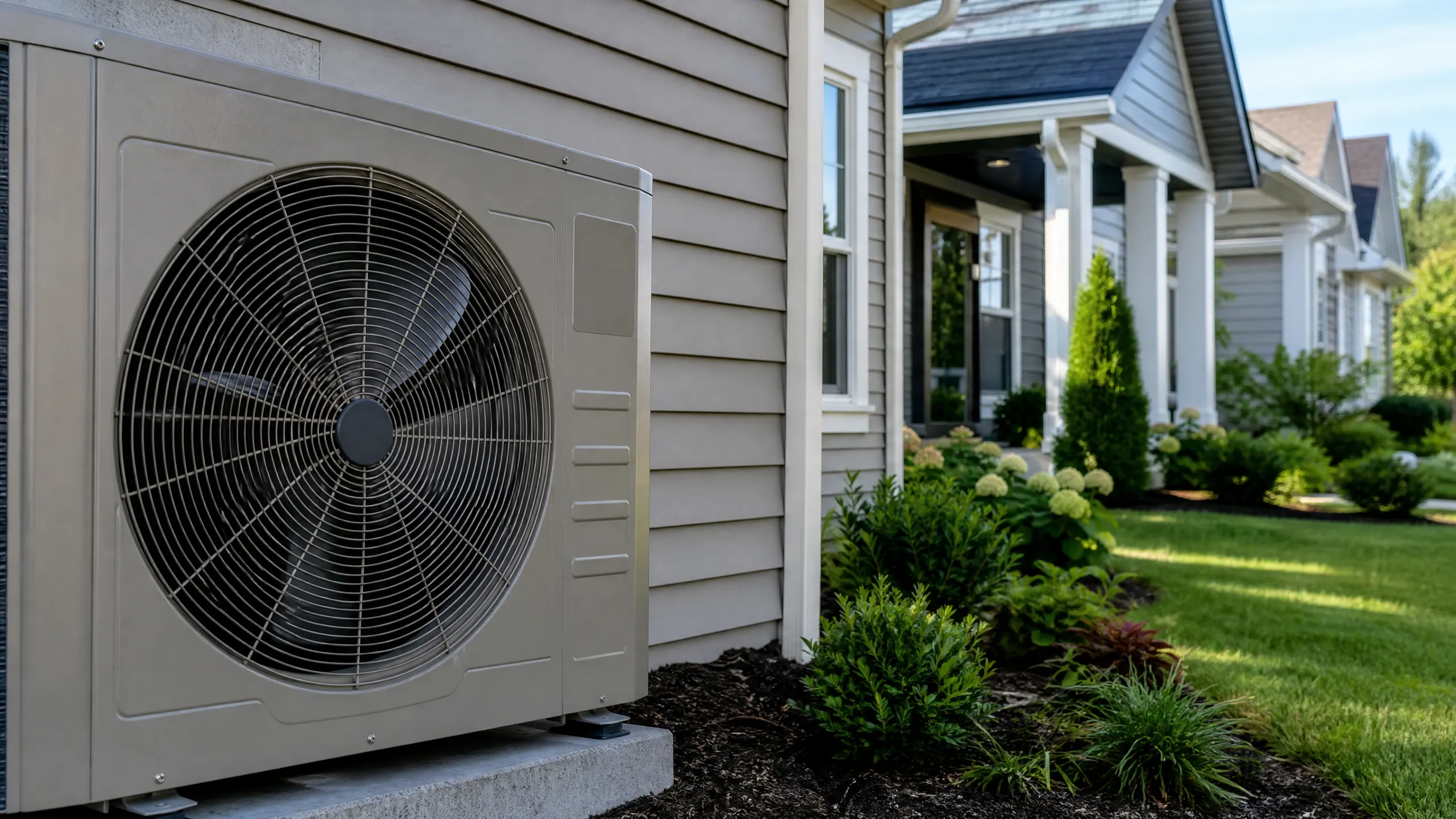
In Naples, a heat pump runs cooling every month of the year
Winter here barely counts as one. Nights average 56°F from December through February, and there's no month where Collier County homes need heat alone. What they need is cooling, all twelve months, with summer afternoons averaging 92°F.
That means the compressor is working most days of the year, not just in summer. A new split-system heat pump installed today has to meet federal minimums of 14.3 SEER2 for cooling and 7.5 HSPF2 for heating, but in this climate the cooling side is what earns its keep. Storms are part of the picture too. Collier County has seen 30 damaging wind events over the past ten years, and in 2024, 38% of Florida households lost power for at least 24 hours. Most heat pumps restart on their own once power comes back, but a unit exposed to wind-driven debris or flooding may need more than a reset.
- 56°F
- the average winter night it heats against
- 92°F
- the average summer afternoon it cools against
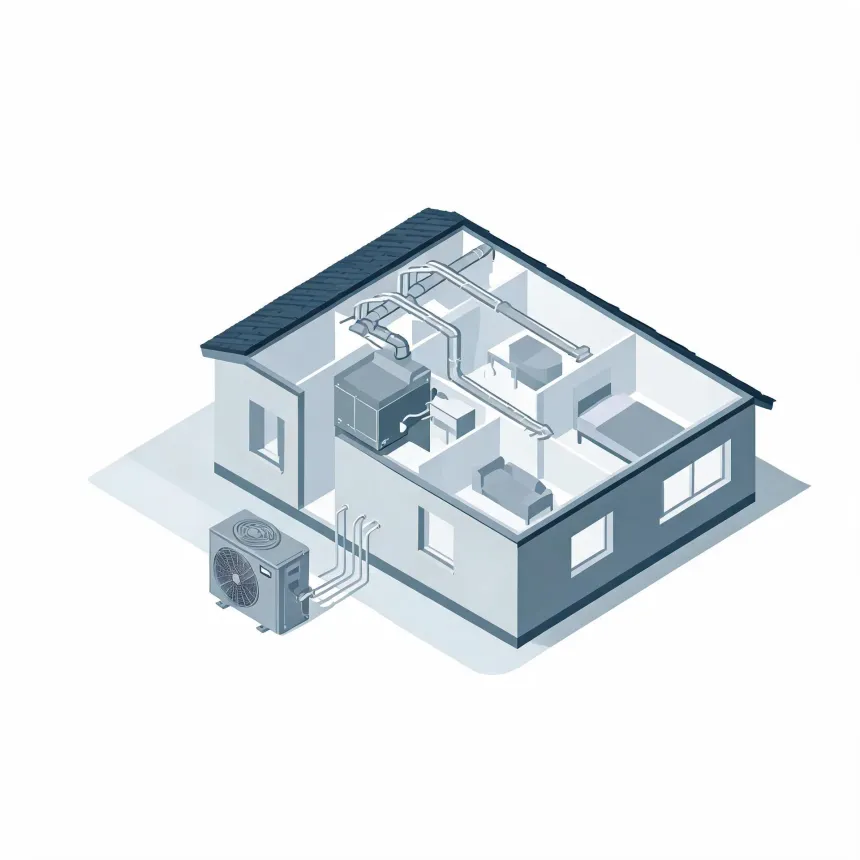
Florida requires HVAC contractors to hold a state license.
That license comes from the state's Construction Industry Licensing Board, and it covers the contractor, not each job. It is the record that a state board holds for the person or business doing the work, separate from any single install.
For this job, that license is what makes the contractor accountable for installing the heat pump. The work still goes through the local building office. Most cities and counties require a permit to replace a heat pump, and an inspection once the work is done. That inspection checks the installation itself, the wiring, the refrigerant lines, the way the unit was set. The license and the inspection are two different checks, and both apply here.
Sources: Florida Legislature · Florida Department of Business and Professional Regulation
- Is a heat pump better than a furnace?
- For Naples, yes, because a furnace burns gas or uses resistance heat and only heats, while a heat pump handles both sides of the year from one outdoor unit. Winter nights here average 56°F, mild enough that a heat pump's compressor never has to work as hard as it would somewhere colder. Summers are the real load in this area, and a furnace does nothing for you there. A heat pump covers both jobs, which matters when homes here need cooling all 12 months.
- What's the difference between a heat pump and an air conditioner?
- An air conditioner only moves heat out of your house. A heat pump does that same job in summer, then reverses itself and moves heat into your house in winter. The outdoor unit and indoor coil look almost identical on both, the difference is a reversing valve inside the heat pump that lets it run backward. In a place like Naples where cooling runs year round and winter nights only dip to 56°F on average, that reversing valve gives you heat on the rare cold night without a separate furnace.
- Does a heat pump work in cold weather?
- Yes, though its heating output drops as the outdoor temperature drops, which is why heat pumps struggle in places with hard freezes. That is not what Naples winters look like. Nights here average 56°F from December through February, well within the range where a heat pump heats efficiently without backup. Any heat pump installed new has to meet the federal minimum of 7.5 HSPF2 for heating, so it is built to handle nights colder than what this area sees.