

Vent working clear
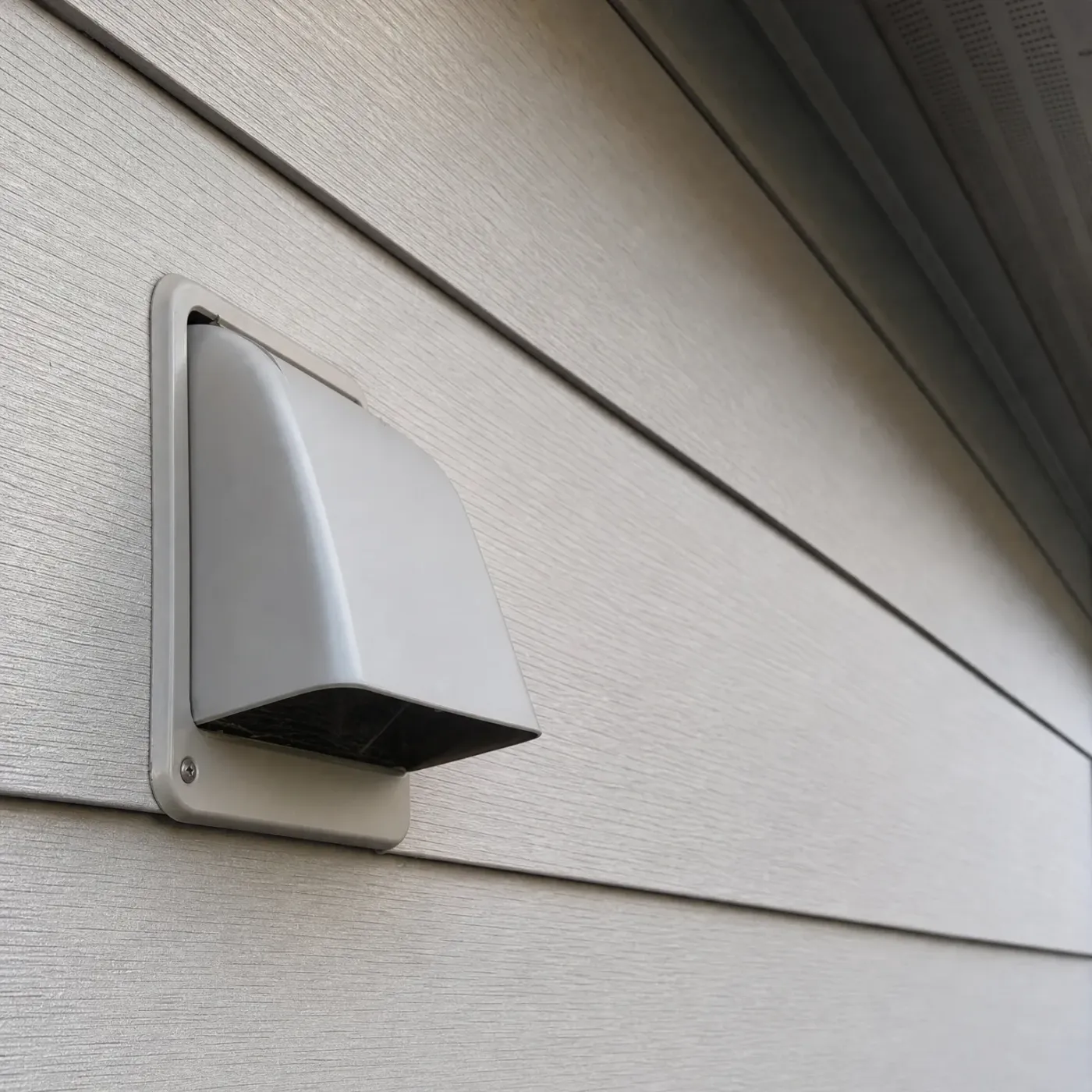
Put your hand near the outside vent hood while the dryer runs. Air pushes out strong enough to move the flap wide open, and you can feel it from a foot away. Run time matches what the cycle says it should be, start to finish.
A local pro who cleans dryer vents gets in touch with you.
A clogged dryer vent shows up as clothes that take two or three cycles to dry, a dryer that gets hot to the touch, or a burnt smell when it runs. Check the outside vent hood while the dryer is on. If the flap barely moves or no air comes out, lint is blocking the line somewhere between the drum and the outside wall. Florida's humidity makes this worse than it sounds. Clothes are already pulling moisture out of damp air, so a vent that can't exhaust properly leaves the drum fighting wet air on both ends. That extra run time heats the unit longer than it was built for, and lint sitting in a warm, humid duct is a fire risk, not just an inconvenience. If you notice the lint trap filling up faster than usual, or the laundry room feels warmer than the rest of the house during a cycle, the duct itself needs clearing, not just the trap.
Put your hand near the outside vent hood while the dryer runs. Air pushes out strong enough to move the flap wide open, and you can feel it from a foot away. Run time matches what the cycle says it should be, start to finish.

The flap barely lifts, or it doesn't move at all. Lint sits packed in the hood and along the edge of the opening. Humid Florida air only makes wet lint stick harder once it builds up here, slowing the airflow the dryer needs to push moisture out.
Walk past the laundry room while the dryer runs and feel the air. If it's warmer than usual, or the room itself feels muggy and warm on top of Florida's own humidity, lint is building up somewhere in the line. You might notice the top of the dryer is hot, not just warm, or that towels come out still damp after a full cycle and need a second run. Some households catch a burnt or hot dust smell, especially a few minutes in. Left alone, a blocked vent makes the dryer work harder to push air through, and that heat has nowhere to go but back into the machine and the room around it.

Look at the outside vent hood and you see a clean louvered opening, the kind mounted low on the siding. The flap hangs open while the dryer runs and closes flat against the wall once it stops. No lint sits on the housing or the screws around it.

Here the louvers can't close. Lint has packed the opening so tight it pushes past the cover and hangs off the outside of the house. Whatever's getting through is a fraction of what the dryer is pushing out, and the rest is backing up into the line behind it.




Skip calling around for someone who cleans dryer vents.
No fee to send it, and nothing to sign.
Lint doesn't only build up in the trap you clean out each load. The rest works its way down the duct behind the dryer, through the wall, and out to the hood on the outside of your house. A long run, or one with a few bends in it, gives lint more surface to catch on as it moves. Every load adds a little more, and the narrowing happens slowly enough that you won't notice it day to day. By the time the outside flap barely lifts, the duct behind it can be packed most of the way through, not just at the ends.
A dryer is built to push hot, damp air out through that duct with every cycle. When lint narrows the path, the air has nowhere to go, so heat stays inside the drum and the moisture stays with it. That's why clothes come out hot to the touch and still damp, and why a cycle set for 40 minutes can run closer to an hour. The dryer's heating element keeps firing because the load still reads as wet, which is also what drives up the burnt-dust smell. None of that means the dryer itself is failing. It means the air isn't leaving the house.


At 15.21 cents a kilowatt-hour, every extra cycle a clogged vent forces on your dryer adds up on the bill. A dryer pushing hot air against built-up lint runs longer to get clothes dry, and you pay for that time whether the vent is clear or not.
EIA-861 2025 statewide residential average


The signs point in one direction. Clothes that won't dry in one cycle, a dryer that's hot to the touch, a burnt smell, a laundry room that stays warm and damp after the load is done. Check the outside hood yourself while the dryer runs. If the flap doesn't open wide or no air comes out, lint has built up somewhere between the trap and the wall, and that's not something the dryer can push through on its own.
None of this means the dryer is failing. It means the vent needs to be cleared, and until it is, every load costs more than it should at 15.21 cents a kilowatt-hour. That adds up over a summer of wash after wash in Florida's humidity, with the dryer working harder than it needs to just to finish a cycle.
Knowing what's wrong is one thing. Getting it fixed is another. That usually means finding a contractor licensed to do this kind of work, calling a few, explaining the same symptoms each time, and sorting through quotes to figure out who's worth hiring. None of that gets the vent cleared any faster, and all of it falls on you unless something changes.
You've already done the hard part, which is figuring out what's going on. What's left is matching with someone who handles this and can take it from here.
Answer a few questions about the dryer vent cleaning and skip the search.
Sending the form costs nothing.
