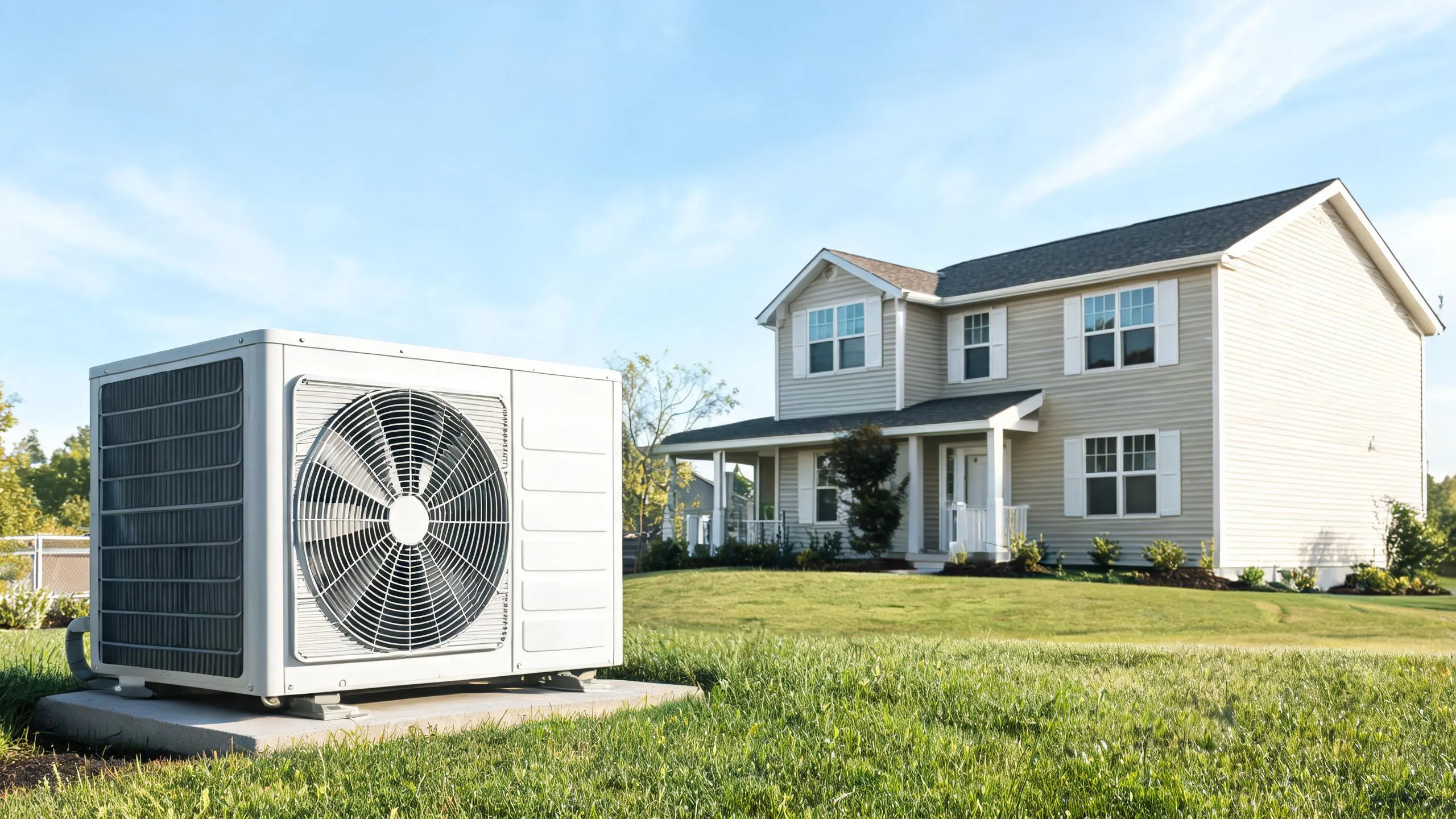
Heat Pump Repair in Pensacola, FL
Homes here need heat from November through March and cooling from April through October. If your system quits, tell us what it's doing and a licensed contractor who covers Escambia County will get in touch.
Tell us about the job
It takes about a minute.
Your heat pump runs almost every month of the year here
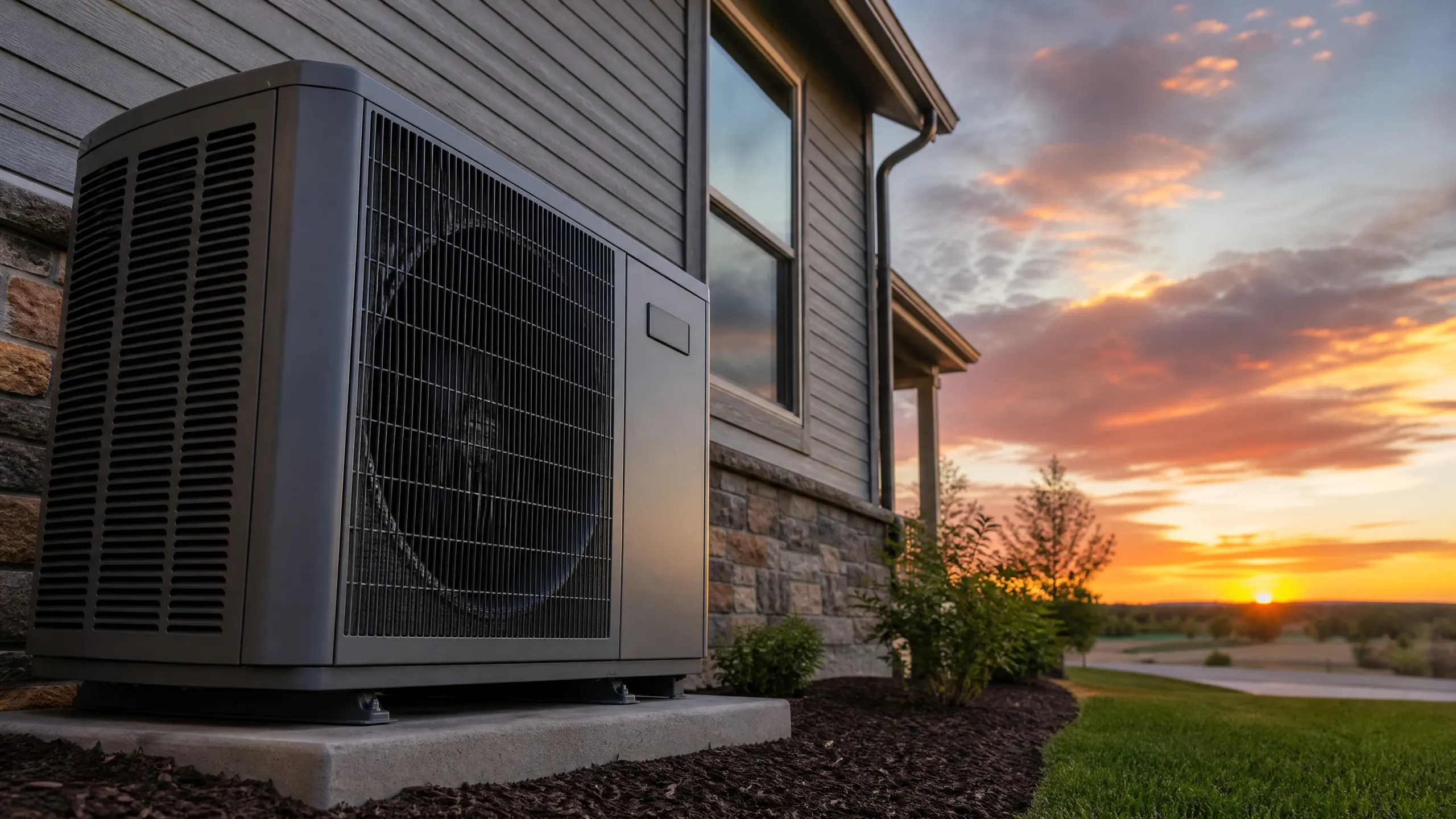
In Pensacola, a heat pump doesn't get much rest. Summer afternoons average 90°F, so it runs long hours pulling heat out of the house from April through October. Then winter nights average 43°F, cold enough that the same unit switches over and pushes heat back in from November through March. There's barely an off season.
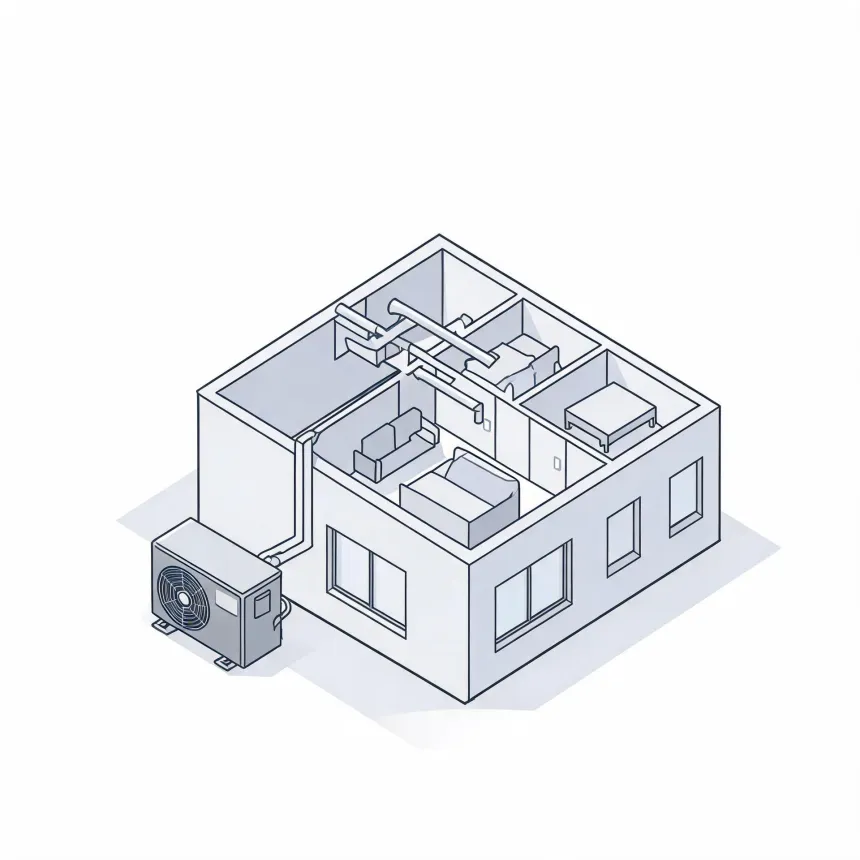
That back and forth between cooling and heating wears on the reversing valve, the part that switches the unit between the two. Most homes here heat with electricity, so when the heat pump can't keep up or won't switch modes, there's no backup doing the work quietly in the background. You'll notice it as a house that won't cool down on a hot afternoon, or one that blows cold air instead of warm on a cold night.
- 5 months
- November through March, your system heats
- 7 months
- April through October, it cools
- 43°F
- the average winter night it heats against
- 90°F
- the average summer afternoon it cools against
NOAA nClimDiv, 1991–2020 normals
Florida requires HVAC contractors to hold a state license.
The state tested this contractor before handing out that license, and the Construction Industry Licensing Board keeps a record of who holds one. The license belongs to the contractor, not to this one repair. It stands behind whoever shows up, whether the job is a full system swap or a single part.
A heat pump repair almost always means opening the refrigerant side. Federal law requires anyone who does that, in Florida or any other state, to hold EPA Section 608 certification. That certification is separate from the state license. Florida's board handles who is allowed to do the work at all. The federal rule covers the handling of refrigerant itself.
Sources: Florida Legislature · Florida Department of Business and Professional Regulation
- Why is my heat pump blowing cold air?
- In heating mode, a heat pump does not put out air as hot as a furnace does, so what feels cold to your hand may still be warming the room. Hold your hand near a vent for a few seconds instead of judging it right away. If the air is truly cold and the house is not warming up, the system may have dropped into defrost mode and be stuck there, or it could be low on refrigerant. A contractor can check the charge and the reversing valve to find out which it is.
- Why is there ice on my heat pump?
- Some frost on the outdoor unit during cold weather is normal. Your heat pump runs a defrost cycle on its own to melt it off, usually switching to heat mode briefly and running the outdoor fan to clear the coil. If ice is building up faster than it melts, or it covers the whole unit and stays there, airflow across the coil is blocked or the system is low on refrigerant. A contractor can check the defrost control and the refrigerant charge to find the cause.
- Why is my heat pump running but not cooling?
- If the outdoor unit and indoor fan are both running but the air coming out is not cold, check the outdoor coil first. On a 90 degree afternoon, a coil caked with dirt or grass clippings cannot shed heat the way it needs to, and the whole system loses its ability to cool. A dirty air filter restricting airflow across the indoor coil causes the same problem. If the coils and filter are clean and it still is not cooling, the system may be low on refrigerant or the reversing valve may be stuck in heat mode, and a contractor will need to check both.