
Dryer taking too long to dry in Tampa, FL
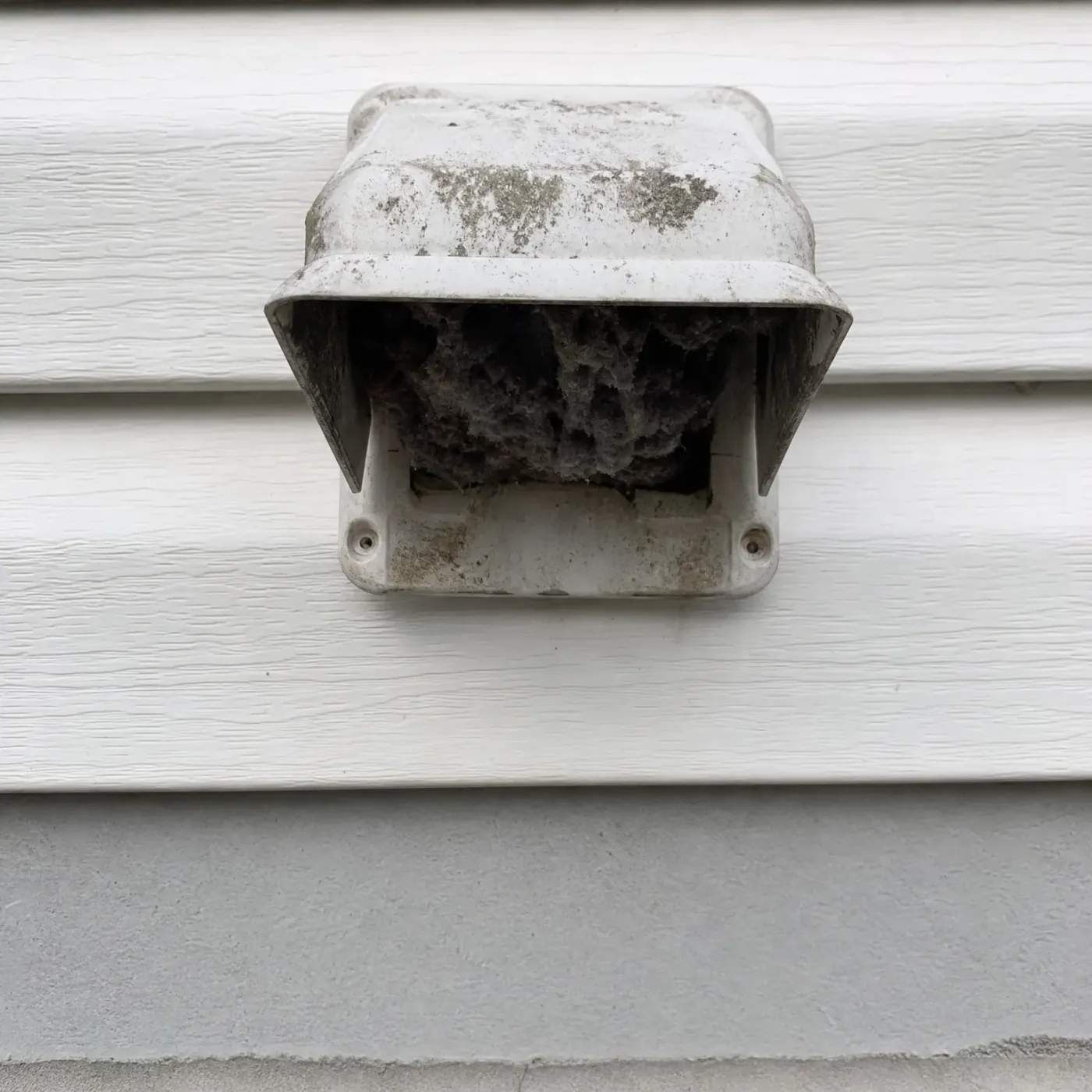
A dryer that runs forever usually isn't the dryer. Most of the time it's a vent clogged with lint, which traps the hot damp air inside the drum instead of letting it push outside. The machine keeps heating and tumbling, but the moisture has nowhere to go, so clothes come out warm and still wet. Tampa's thick, humid air makes this worse, since the air coming into the dryer is already heavy with moisture before the machine even starts. A clogged vent also makes the dryer run hotter and longer than it should, which wears on the heating element and the drum belt over time. If your drying times have crept up over weeks or months, or you notice the outside vent flap barely moves when the dryer runs, lint buildup in the duct is the likely cause, not a failing machine.
Why is your dryer struggling more than it should?
2.56 people per household on average
With 2.56 people in the average Hillsborough County household, that's laundry piling up most days of the week, which means the vent is pushing out loads constantly and clogging faster.
Half the homes here were built by 1991
Half the homes here were built in 1991 or earlier, and vent runs in older houses tend to be longer or bent through walls added over the years, giving lint more places to catch.
Power here costs 17.13 cents per kilowatt-hour
At 17.13 cents per kilowatt-hour, a dryer running two or three cycles to finish one load is burning through power the whole time the vent stays blocked.
ACS 2020-2024 · EIA-861 2025

Lint does not stop at the trap
The trap in the door catches most of it, but not all. The rest rides the airflow down the vent line and sticks to the inside of the duct, especially at bends. Over time that buildup narrows the path the air has to take. A vent that once let air move freely starts fighting the dryer, and every load after that takes longer than the one before it.

A clear vent moves air fast
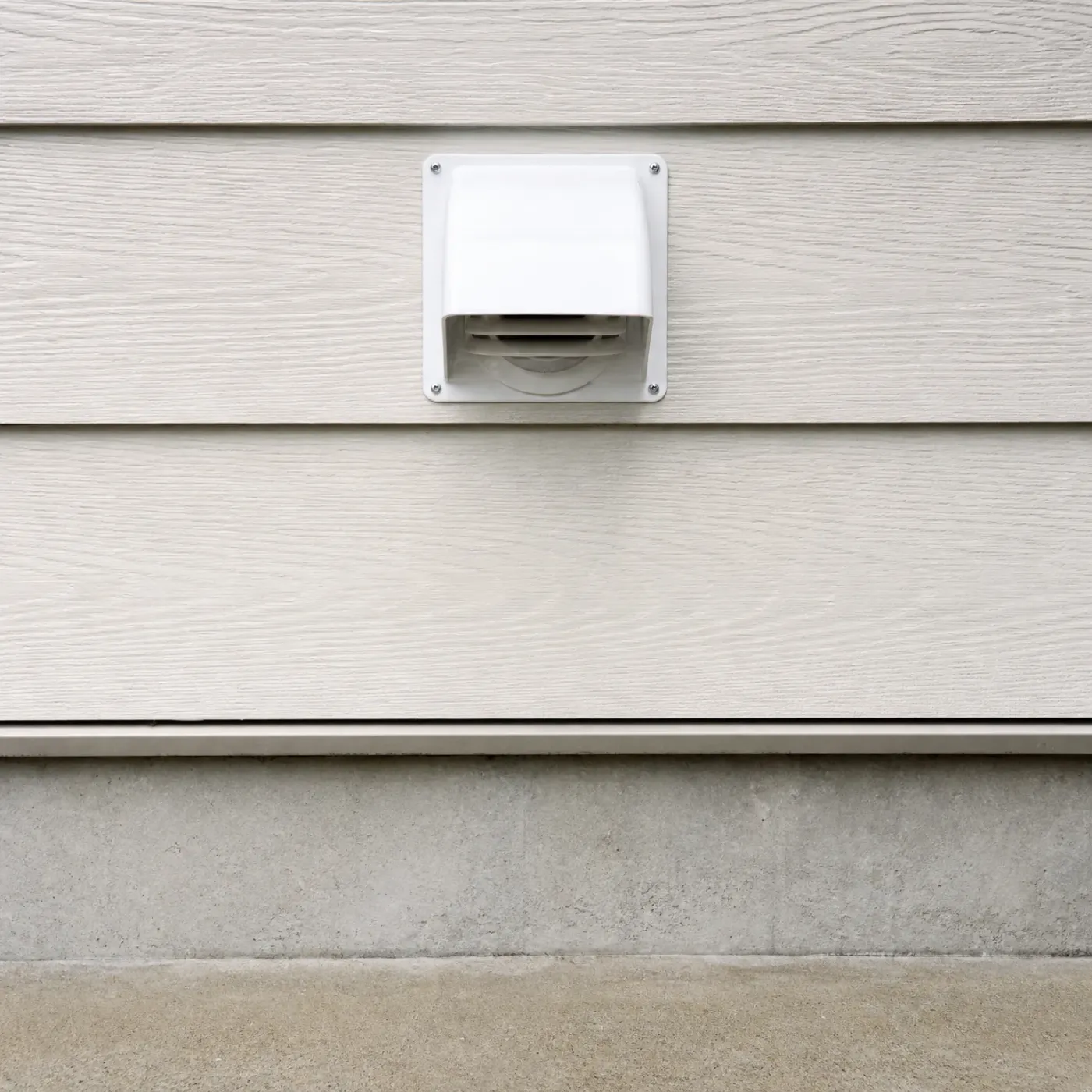
A dryer vent that is clear lets the full force of the exhaust push outside in seconds. Stand near the outside hood while the dryer runs and you should feel a steady, strong flow of warm air. If what comes out is weak or barely noticeable, the line is restricted somewhere between the drum and the hood, and that is what is adding time to your drying.
Vent Problem or Something Else
Vent clogged with lint
- Drying times stretch out longer and longer over weeks, not all at once, so it's easy to miss until a load takes two hours.
- The top of the dryer or the vent hood outside feels hot to the touch while it's running, because the heat has nowhere to go but back into the room.
- Clothes come out of the drum hot and damp instead of warm and dry, even on a full cycle.
- You smell a musty or burnt-dust smell near the dryer, from lint sitting damp inside the duct.
- The flap on the outside vent hood barely moves or doesn't open all the way when the dryer's running.
- A load that used to take 40 minutes now takes 90 minutes or more for the same size load.
Something else going on
- The dryer trips the breaker or the thermal fuse keeps blowing, which points to the heating element or wiring, not the vent.
- The drum turns but there's no heat at all, which usually means a bad igniter on a gas dryer or a failed heating element on an electric one.
- You hear grinding or squealing from the drum itself, a sign of a worn drum roller or belt, not airflow.
- The dryer is brand new or recently installed and never dried well, which points to how it was installed rather than lint buildup.
- The vent line runs an unusually long distance or has several tight bends, so even a clean duct restricts airflow more than a short, straight one would.
- Drying time is fine most loads but one specific fabric, like towels or bedding, never comes out dry, which points to load size or sorting, not the vent.




Let someone else find the pro
A clogged vent doesn't fix itself, and running extra cycles to get clothes dry just pushes more hot, damp air against a line that's already packed with lint. That raises the power bill every month it goes on, and it keeps the dryer running hotter than it should, which wears on the heating element and the motor over time. You could start calling around Hillsborough County, asking who cleans dryer vents, checking if they're licensed, waiting for callbacks, and comparing quotes against each other. Or you could send this request once and let a contractor who does this work reach out to you directly. No calling five companies, no retelling the same story about how long your loads have been taking. You still have a dryer that runs too long today. Handing off the search for who fixes that is the part you don't have to do yourself.
What a slow dryer is doing to your bill
Most homes here heat with electricity, and a dryer that needs two cycles instead of one is pulling that extra power every single load. Over a week of wash, that adds up fast, especially for a household running laundry most days. You are not getting a second load's worth of drying. You are getting the same wet clothes, heated twice, because the air carrying the moisture out of the drum can't get past the lint packed into the vent. The dryer has no way to tell you it's working harder than it should. The only sign is the bill and the clock.
What a packed vent risks beyond the bill
Lint is what catches fire. It collects along the duct, especially at the bends, and sits there against a heat source every time the dryer runs. A vent that's pushing air freely carries that heat and moisture straight outside. One that's choked down holds both inside the line, against the lint, for the length of every cycle. Tampa summers already mean the dryer runs into a house that's warm and humid most days, which gives a clogged vent even less margin to move air. A vent cleaned out removes the fuel, not just the slow drying.
2.56 people per household on average
With close to three people in the average household here, your dryer is probably running a load most days, not once or twice a week. That pace is exactly what lets lint build up fast inside the vent line, so a cleaning keeps up with how much the machine actually gets used.
ACS 2020-2024
The Long Dry, Explained
- A dryer that takes two hours instead of one usually has a lint-packed vent, not a broken machine.
- The vent hood outside and the top of the dryer running hot to the touch both point to blocked airflow.
- Clogged vents force clothes through extra cycles, and every extra cycle adds to an electric bill in a place where power already costs more.
- Lint builds fastest in homes doing laundry most days of the week, which describes the average household in Hillsborough County.
- A vent cleared of lint lets the dryer push hot air out in one cycle instead of two or three.
- Left alone, the buildup only gets worse, since lint collects a little more with every load that runs.
A dryer that won't finish in one cycle is telling you something specific. The heat and tumble still work. What's missing is a clear path for the damp air to leave the house, and in almost every case that path is blocked by lint sitting in the vent line, not by anything wrong with the machine itself. You can often confirm it yourself. Touch the vent hood outside while the dryer runs. Touch the top of the dryer too. Heat that should be leaving with the air is instead building up where it shouldn't, and that's the clog working against the machine every single load. This matters more in a household doing laundry most days of the week, which is the normal pace here in Hillsborough County, since lint doesn't wait for a slow week to pile up. It collects a little with every cycle, clogged or not, and a vent that's already tight only narrows further. Left that way, the dryer keeps compensating by running longer and hotter, and electricity here isn't cheap, so every extra cycle shows up on the bill whether you notice it or not. None of that is the dryer failing. It's the vent doing less of its job over time, quietly, until two hours feels normal. Clearing it out doesn't change what the dryer can do. It just lets the dryer do what it was already built to do, in the time it was built to take.


One request and it's handed off
A dryer that takes two cycles to do one load points to a clogged vent, not a dying machine, and that's a problem a vent cleaning fixes. Finding someone for the job is the part you can hand off. Instead of searching, calling around Hillsborough County, and explaining the same two-hour drying time to every contractor who answers, send the form once. From there, finding the right person for the cleaning isn't your job anymore.
Answer a few questions instead of calling shop after shop.
You only hire the pro if you want to.