
AC Installation in Miami, FL
Tell us about the house, and a licensed contractor who covers Miami-Dade County will get in touch.
Tell us about the job
It takes about a minute.
Your AC runs every month of the year here
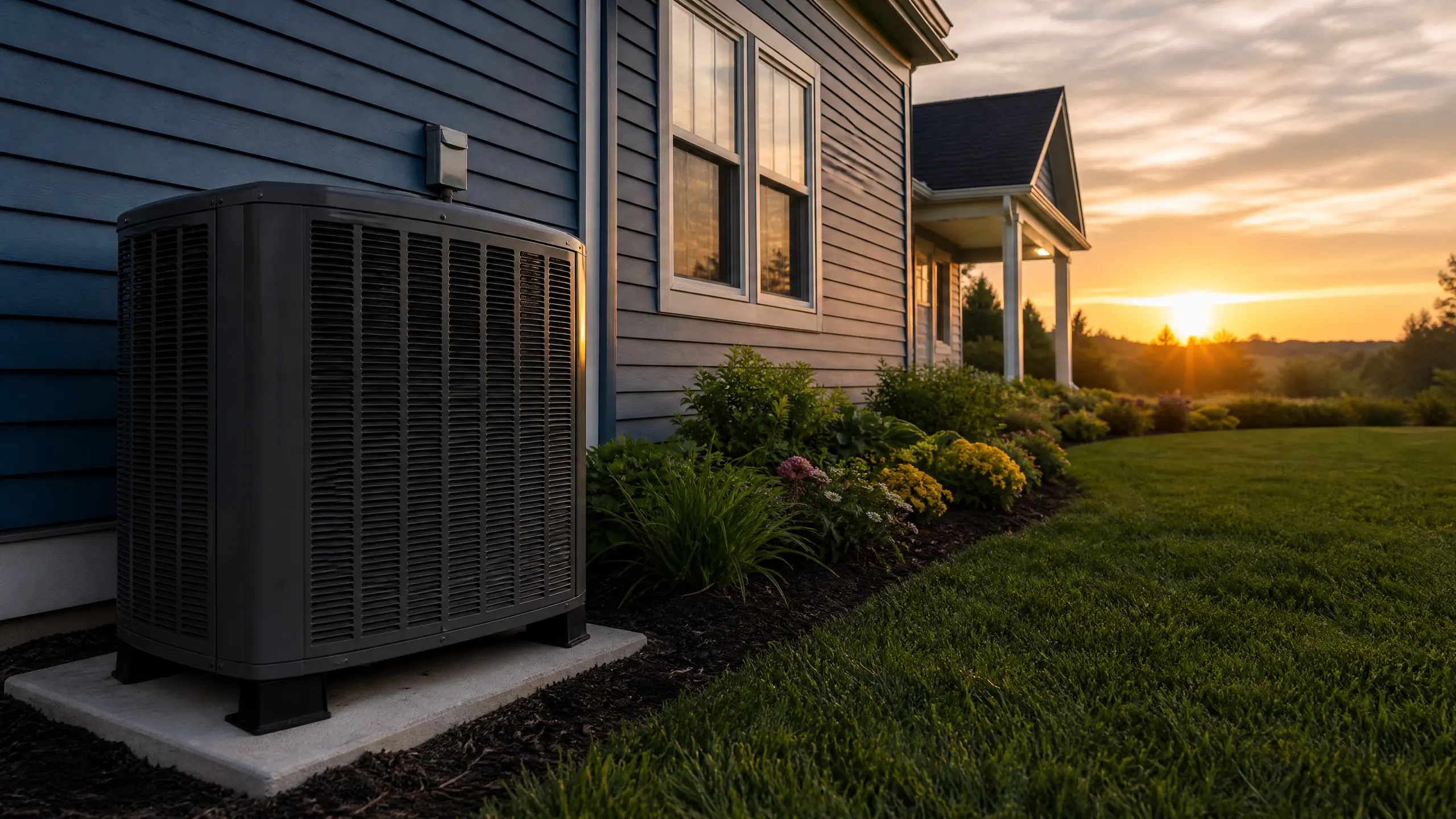
There's no season off in Miami-Dade. Summer afternoons average 91°F, and the cooling season doesn't end when summer does. It runs all 12 months, which means the compressor and condenser fan are cycling on some level nearly every day of the year, not just a few months.
Any new system installed has to meet the federal minimum of 14.3 SEER2, so that part is set. What matters more here is how the unit holds up outside. Wind and hail show up in this area, with 80 damaging wind events and 52 hail events recorded over the past ten years, some hail up to 1.75 inches. The outdoor unit sits exposed to all of that, year-round, with no break in between.
- 91°F
- the average summer afternoon it cools against
- 52 hail events
- in ten years, and hail bends the fins on outdoor coils
- 13.4 SEER2
- the federal minimum any new unit must meet
NOAA nClimDiv, 1991–2020 normals

A higher-efficiency unit would save about $40 a year to run in Miami-Dade County compared with a new unit at the federal minimum.
Estimates for a typical Miami-Dade County home, from EIA household energy data, Florida fuel prices and NOAA climate normals. Your home will differ.
Florida requires HVAC contractors to hold a state license.
The Construction Industry Licensing Board issues that license, and it covers the contractor, not the job. Florida tested this contractor and keeps a record of them before they ever picked up a work order. That license stays attached to them whether they are installing your air conditioner or someone else's, not to this one project.
What covers the installation itself is the permit. In most cities and counties in Florida, putting in a new air conditioner needs a permit from the local building office, and the work gets inspected once it's done. The license tells you the contractor was tested and is on record with the state. The permit and inspection are what confirms this particular installation was done right.
Sources: Florida Legislature · Florida Department of Business and Professional Regulation
- What size air conditioner does my house need?
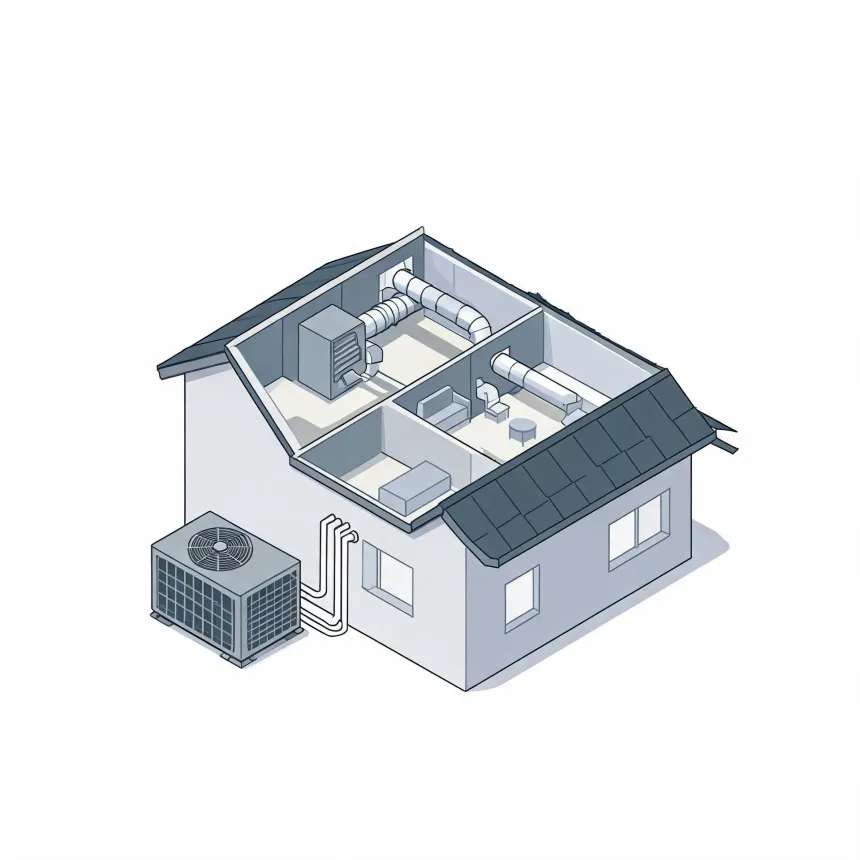
- The right size comes from a load calculation, not a chart based on square footage. A contractor measures your windows, insulation, ceiling height, and duct layout, then works out how many BTUs your house actually needs to lose. An oversized unit cools the air fast but shuts off before it pulls the humidity down, so the house feels clammy even at the temperature you set. Undersized, and it runs constantly on a 91 degree afternoon and still falls behind. Ask for a Manual J calculation by name. That is the standard the industry uses, and it is worth confirming it was done rather than skipped.
- Should I replace the whole system or just the outdoor unit?
- If your indoor and outdoor units were installed together and are close in age, replace both. Matching a new outdoor unit to an old indoor coil means pairing two parts built to different specs, and the system loses efficiency it was designed to have. It can also struggle to hold the refrigerant charge correctly, which shows up later as poor cooling or a coil that fails early. A contractor can look at the age and condition of both halves and tell you whether the indoor coil is worth keeping.
- Do HVAC contractors in Miami need a state license to work on my home?
- Yes. Florida requires HVAC contractors to hold a state license, issued by the Construction Industry Licensing Board. Before hiring anyone, ask for their license number and check it against the board's records. A system here runs 12 months a year, so a poor installation gets found out fast, and licensing is one way to know the work was done to code.